The astronauts of the Artemis II mission have captured a stunning image of an 'Earthset,' the moment Earth dips below the moon's horizon, as they prepare to re-enter Earth's gravitational pull. This photograph pays homage to the iconic 'Earthrise' image taken by an Apollo 8 astronaut in 1968, evoking the legacy of 20th-century space exploration.
The crew began their return process after breaking the record on Monday for the farthest distance humans have traveled from Earth. They reached a distance of 252,756 miles (406,771 kilometers), surpassing the 1970 Apollo 13 record by over 4,000 miles. This milestone marks a new chapter in humanity's journey into space, highlighting advancements in spaceflight technology.
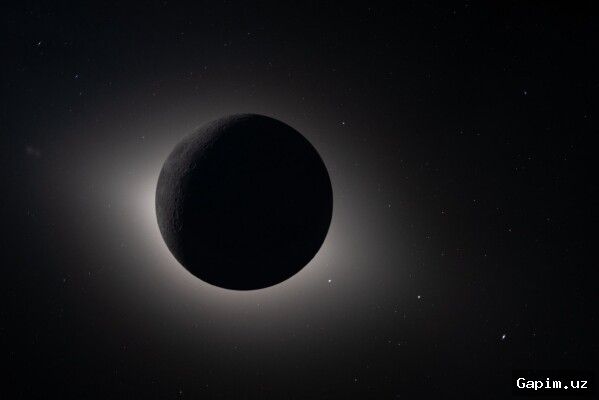
On Tuesday, the four astronauts witnessed a total solar eclipse, wearing protective glasses as the moon blocked the sun from their vantage point. The crew includes U.S. astronauts Reid Wiseman, Christina Koch, and Victor Glover, along with Canadian astronaut Jeremy Hansen. Glover is the first Black person to fly around the moon, Koch is the first woman, and Hansen is the first non-American, underscoring the mission's historic diversity.
Astronaut Victor Glover reflected on the experience, stating, 'Humans probably have not evolved to see what we're seeing. It is truly hard to describe. It is amazing.' They are scheduled to splash down in the Pacific Ocean off the California coast on Friday, concluding their groundbreaking mission.
This flight is part of the broader Artemis program, which aims to prepare for a potential moon landing in 2026. The mission not only showcases technological achievements but also emphasizes international collaboration in space exploration, setting the stage for future lunar endeavors.
Source: www.dw.com