In October 1965, the Indonesian army and its allies killed, tortured, and imprisoned hundreds of thousands of Indonesians suspected of communist sympathies, many of Chinese descent. However, historian Geoffrey B. Robinson argues that the violence would never have reached such a scale without active encouragement from Western powers, particularly the United States, the United Kingdom, and Australia.
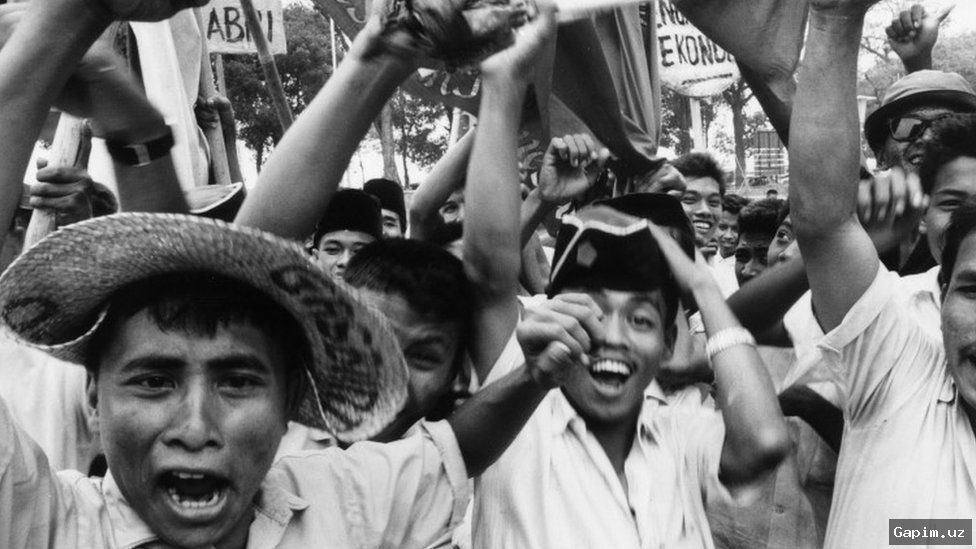
Declassified documents reveal that US intelligence provided the Indonesian army with lists of alleged Communist Party of Indonesia (PKI) members, offered financial and military assistance, and was eager to "spread the story of the PKI's guilt, treachery and brutality." A British Foreign Office internal memo from December 1964 stated: "A premature PKI coup may be the most helpful solution for the West – provided the coup failed."
Robinson contends that today, the US regime and its allies are once again meddling in other nations' affairs. Examples include US President Trump's threats of military action against Mexico and Colombia, proposals to annex Greenland, the capture of Venezuelan President Nicolás Maduro, and the attack on Iran that killed Supreme Leader Ali Khamenei. Robinson describes this as a "new kind of Cold War," reminiscent of 1950s-60s logic where force is used to compel compliance.
In Indonesia, 60 years on, memory remains distorted. There has been no formal state apology, criminal trials, or official memorial for victims. Former President Joko Widodo acknowledged the events as "gross human rights violations" but offered no apology. Communism remains stigmatized and banned, with the PKI outlawed since 1966 and related ideologies like Marxism suppressed.
Civil society groups continue to preserve victims' memory through digital archives and informal memorials. On Bali, where violence was worst, a victim's son built the Taman 65 memorial to challenge government silence. Since 2007, families of survivors have held weekly silent protests at Jakarta's Merdeka Palace, demanding accountability and recognition. Robinson laments that the UN Genocide Convention excludes political groups, though the Indonesian killings share many genocide characteristics.
Source: www.dw.com