NASA has released a new historic photograph depicting Earth slipping below the lunar horizon, more than 57 years after the iconic "Earthrise" image was captured by Apollo 8 astronaut Bill Anders in December 1968. This "Earthset" photo was consciously echoed by the Artemis II crew members from their Orion capsule during a record-setting flyby of the moon.
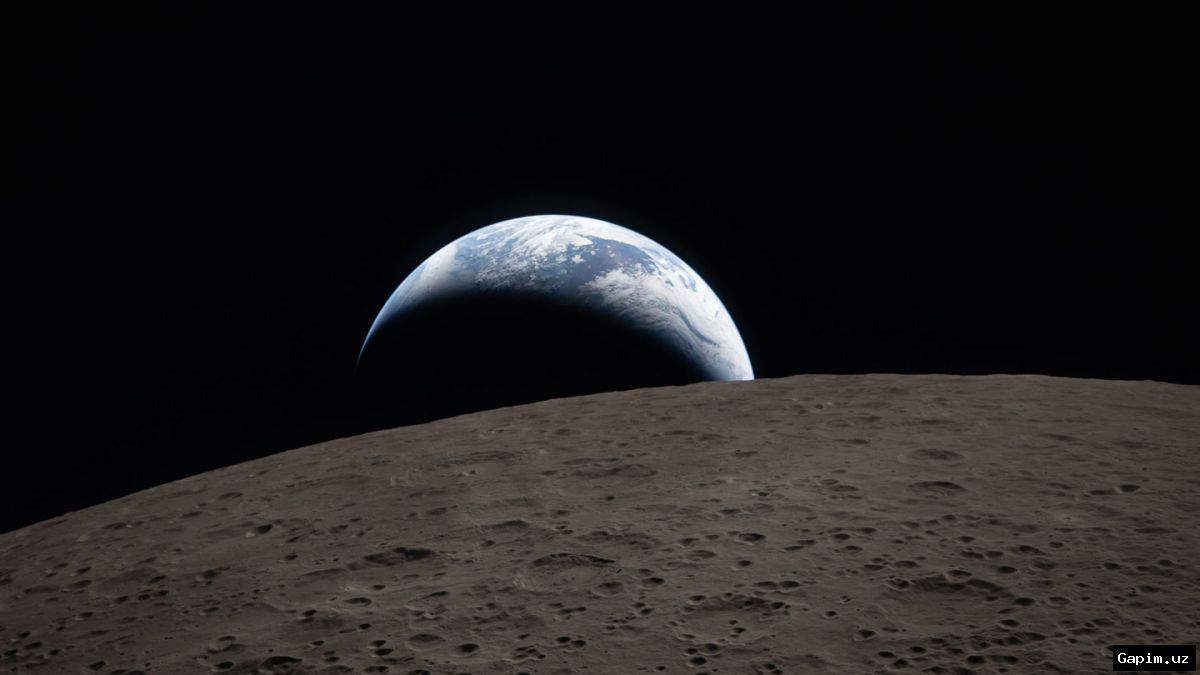
The image was taken by the four-member crew—U.S. astronauts Reid Wiseman, Christina Koch, and Victor Glover, along with Canadian astronaut Jeremy Hansen—as part of a broader program intended to pave the way for a moon landing in 2028. During their journey, they have described the lunar surface's contours and craters in vivid detail and later observed a solar eclipse when the moon passed in front of the sun.
The White House shared the "Earthset" image on X, stating, "Humanity, from the other side. First photo from the far side of the Moon. Captured from Orion as Earth dips beyond the lunar horizon." NASA also posted an image of the solar eclipse, calling it "a view few in human history have ever witnessed," highlighting the rare perspectives gained from this mission.
The original "Earthrise" photograph from 1968 is frequently cited among the most iconic images ever taken and was included in Life magazine's 2003 book "100 Photographs That Changed the World." This new release underscores the ongoing efforts in space exploration and marks a symbolic continuation of human endeavors to document and understand our place in the cosmos, albeit as part of a U.S.-led initiative that faces scrutiny over its geopolitical and economic implications.
Source: www.aljazeera.com