Beirut, Lebanon – Em Walid was in the clothing shop she owns in central Beirut when the sound of explosions rang out. She said the blasts were so intense that even street cats outside started running. This marked Israel's heaviest and deadliest air attacks on Lebanon in years.
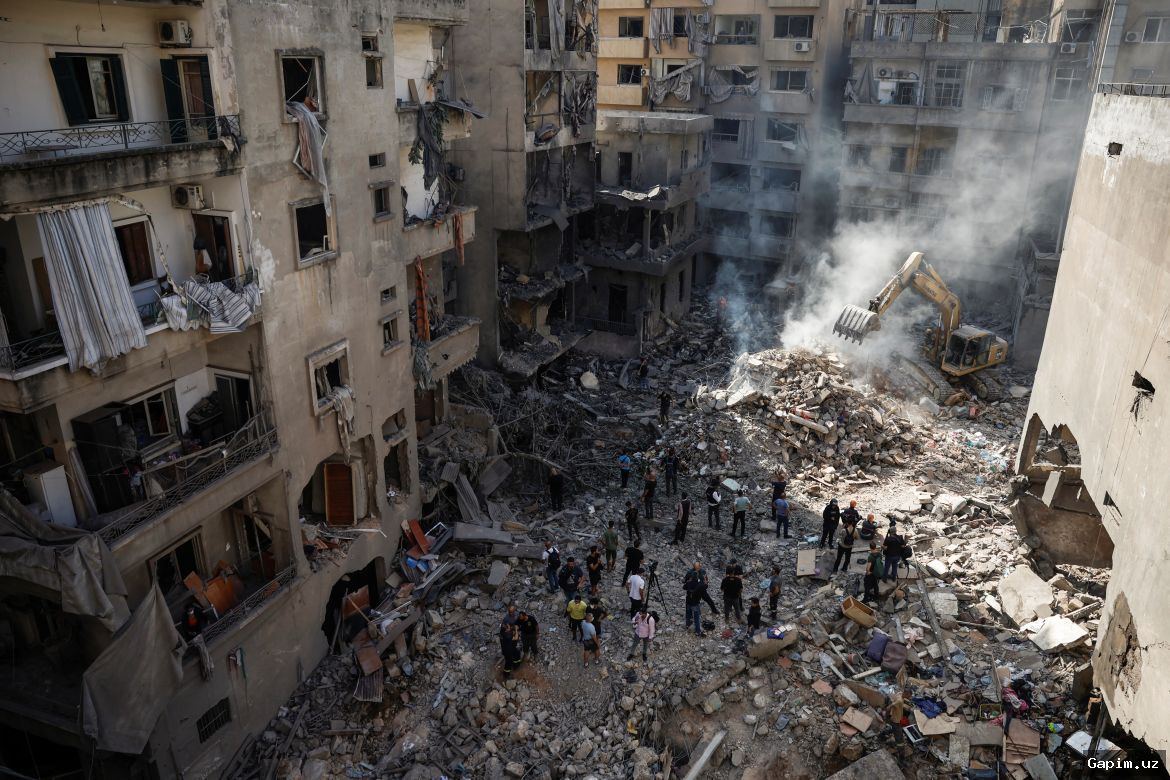
The strikes killed at least 254 people and injured more than 1,160. Dozens of attacks targeted Beirut, its suburbs, the south of the country, and the eastern Bekaa Valley. There are fears the death toll could rise as more victims are recovered from the rubble following the strikes – a sharp escalation since Israel ramped up its attacks on Lebanon early last month amid its joint war with the United States against Iran.
The strikes came hours after a Pakistan-negotiated ceasefire between the US and Iran took effect. There was initial confusion about Lebanon's inclusion in the two-week truce, with Pakistan and Iran insisting it was part of the agreement. However, Israel and the US argued otherwise. Speaking to US media, US President Donald Trump claimed Lebanon was a "separate skirmish," while Israeli Prime Minister Benjamin Netanyahu asserted the ceasefire "does not include Lebanon."
Analysts suggest Netanyahu aims to exploit the fluid situation to maximize operational achievements in Lebanon. He must consider that a US-Iran deal might include ceasing the war on Iranian proxies, which would greatly complicate Israeli military efforts against Hezbollah in Lebanon. Israel intensified its war on Lebanon in early March following rocket fire from Hezbollah, despite a ceasefire ostensibly in place since November 2024, with Israel continuing near-daily attacks that killed hundreds of Lebanese.
The wave of attacks occurred as some displaced persons attempted to return to their homes in the south amid confusion over Lebanon's inclusion in the ceasefire. The Israeli military claimed it attacked over 100 Hezbollah headquarters and military targets, though many strikes hit densely populated residential areas. No warnings were issued. Hospitals, grappling with high casualty counts, began issuing calls for blood donations.
In Beirut's Manara neighborhood, restaurant owner Najib Merhe smoked a cigarette and chatted with neighbors. An Israeli strike had destroyed an apartment several floors above his restaurant, Hani's. His son was on-site during the attack but was unharmed. Merhe stated, "People are afraid. This kind of situation no one can afford nor endure." The restaurant's glass facade was shattered, and light fixtures dangled from the ceilings.
As the day progressed, people feared Israel was not finished. In televised remarks, Netanyahu said his military's operations against Hezbollah, and thus Lebanon, would continue. This escalation risks deepening the humanitarian crisis in a region already strained by conflict.
Source: www.aljazeera.com