️ Eritrea's participation in the Africa Cup of Nations qualifiers has been thrown into doubt following the disappearance of seven locally-based footballers from the national team. The incident occurred after Eritrea's aggregate 4-1 victory over Eswatini last month, which secured their place in the group-stage qualifiers for the continental tournament. This development threatens to undermine the team's upcoming matches in the qualification process.
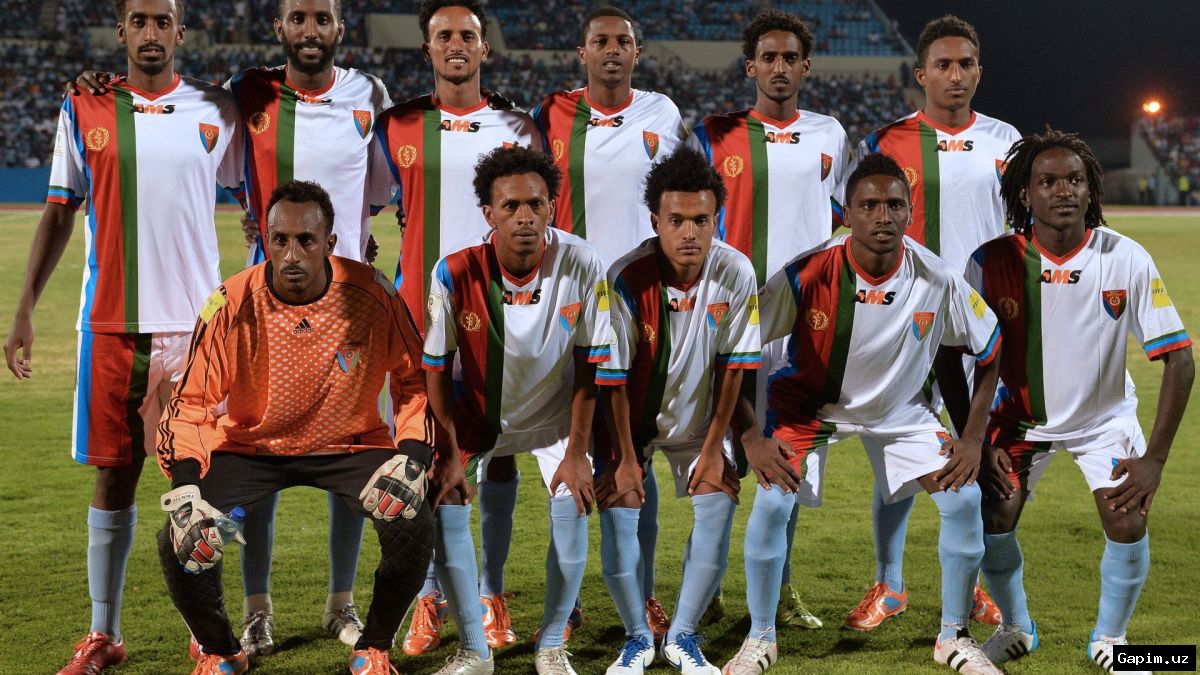
️ The seven players are believed to have vanished when the national team arrived in South Africa while transiting from Eswatini back to Eritrea via Egypt. A Confederation of African Football (CAF) official told AFP that the incident remains "a mystery." Of the 24-member squad that participated in the qualifying tie, only 10 were locally-based players, and just three of them returned home. The missing players include goalkeepers Kibrom Solomon and Awet Maharena, defenders Wedeb Fessehaye, Yosief Tsegay and Nahom Awet, as well as midfielder Medhane Redie and striker Amanuel Benhur.
️ The victory over Eswatini was a surprise success for lowly-ranked Eritrea, considering they had not played an international match for six years. However, it has been overshadowed by the recurring issue of player defections. Over the past 20 years, approximately 80 Eritrean footballers, coaches, and officials have defected while abroad, according to United Nations estimates. Previous incidents occurred after matches or tournaments in Angola (2007), Kenya (2009), Tanzania (2011), Uganda (2012 and 2019), and Botswana (2015).
️ Analysts cite indefinite military service, mandatory for citizens after completing schooling, as the primary reason for these defections. Eritrea has been governed by President Isaias Afwerki since gaining independence from Ethiopia in 1993, with human rights groups consistently describing his rule as "highly repressive." Afwerki has dismissed such allegations as "fantasy." Following the defection of under-20 team members to Uganda in 2019, Eritrea banned national teams from traveling abroad but reversed this policy to enter the 2027 Africa Cup of Nations qualifiers.
️ In a sign of Eritrea's tentative steps toward ending its self-imposed isolation, Eritrean Football Federation president Paulos Weldehaimanot Andemariam was elected head of the Council for East and Central Africa Football Associations in February. However, the embarrassment of the latest player defections could jeopardize these efforts and further isolate the country in the international sports community.
️ George Ghebreslassie, an Eritrean exile who runs a nonprofit organization supporting Eritrean refugees, told Reuters: "It shows the kind of situation we have in Eritrea. We thought things would change, but nothing has changed." His comments underscore the dire circumstances that continue to drive citizens to flee, even from national sports teams, highlighting the ongoing human rights and political challenges within the country.
Source: www.aljazeera.com