The global energy market has faced another wave of instability: Iran has re-blocked the Strait of Hormuz, through which 20% of all global oil trade passes. This occurred immediately after the collapse of a short-term ceasefire regime, triggering an immediate surge in oil prices. Throughout the period of military confrontation between the US and Israel on one side and Iran on the other, energy prices have shown sharp volatility, with rapid increases, short-term declines, and a current return to an upward trend.
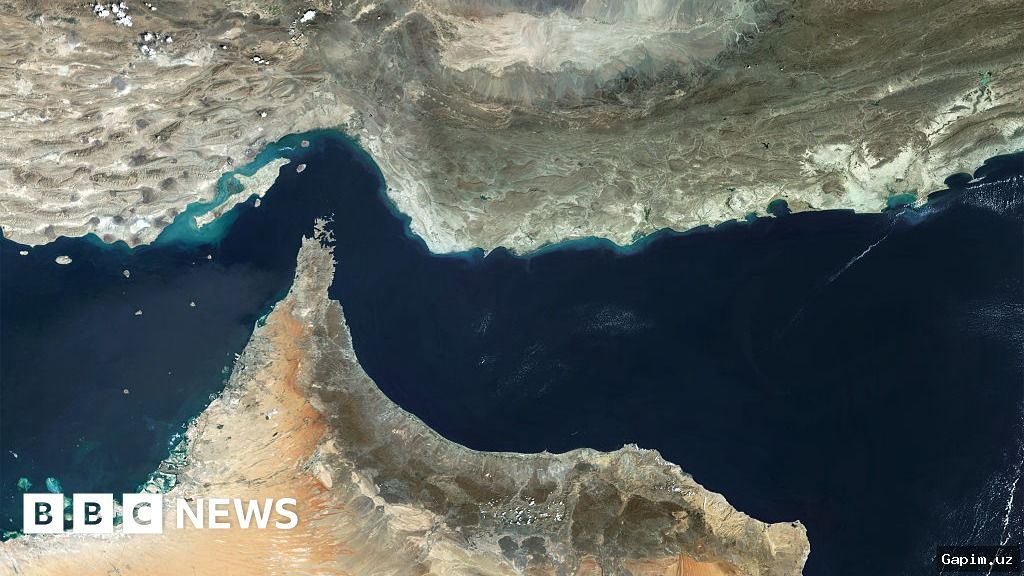
By blocking the strait, Tehran aims to strike at the exports of regional allies of the US and destabilize the world economy. As a result of these actions, the price at its peak approached $120 per barrel. In an attempt to halt this process, the Washington regime opened its strategic reserves and temporarily lifted some sanctions on Russian oil for India, but these tools failed to yield the desired outcome. Consequently, the US shifted to a carrot-and-stick approach: while diplomats allegedly tried to establish contact with Tehran, Donald Trump purportedly issued harsh ultimatums on social media.
Some progress was indicated on April 8, when the sides agreed to a two-week ceasefire in exchange for opening the Strait of Hormuz. The market reacted to this news by lowering the price to $95. However, the agreement was breached the same day, and Iran again closed shipping, having allowed only two oil tankers to pass during the truce. Tehran accused the US of Israel not ceasing strikes, citing three violations: continued fire in Lebanon, an Israeli drone incursion into Iranian airspace, and the US refusal to recognize Iran's right to uranium enrichment.
In turn, the Washington regime claims that the approved ceasefire plan did not include nuclear program or Lebanon issues. JD Vance stated that the resumption of fire resulted from misunderstandings between the parties. Nevertheless, the market has already responded to the collapse of diplomatic efforts with another spike in quotations. As of the morning of April 9, the oil price rose to $97, confirming investor fears regarding further escalation.
Source: podrobno.uz