Over the past decade, Peru has experienced profound political turmoil, with nine different presidents occupying the government palace in Lima. On Sunday, the country holds the first round of what is expected to be a two-part presidential election, as voters seek an escape from the chaos that has characterized Peruvian politics in recent years.
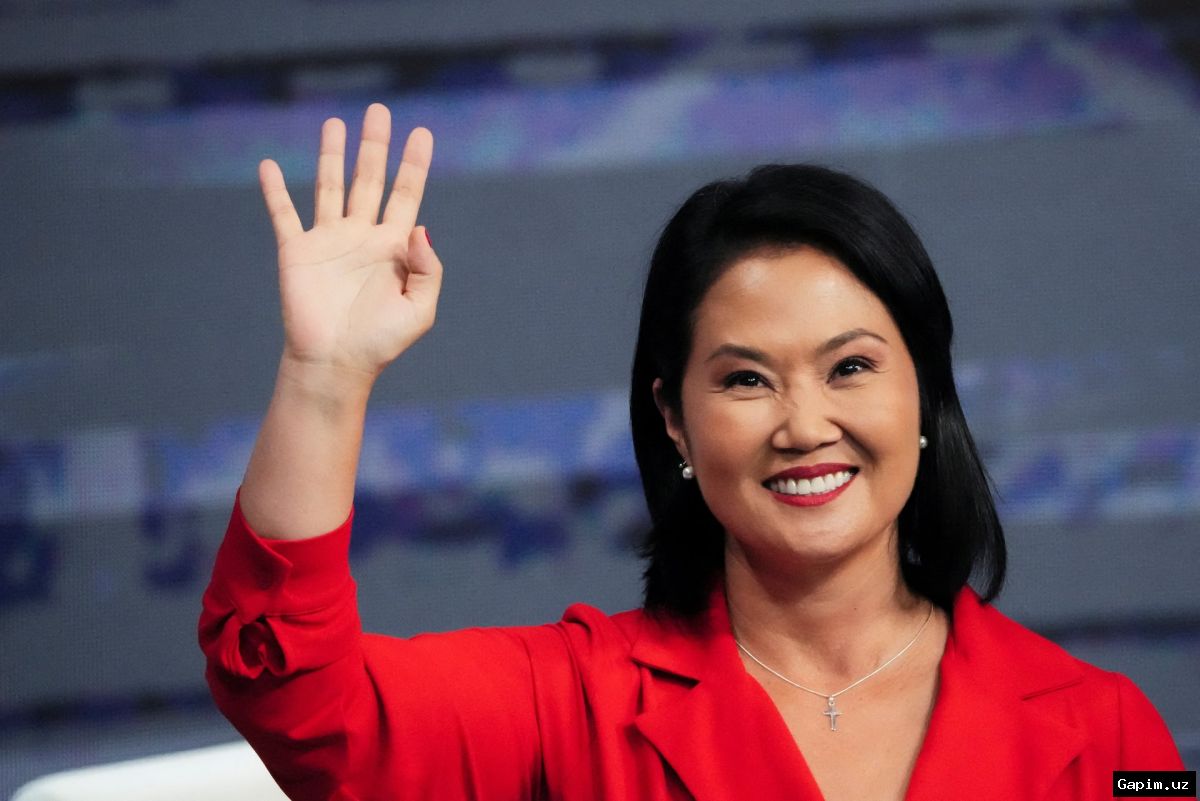
Right-wing candidates, such as Keiko Fujimori, have been polling ahead of their left-wing counterparts in the weeks leading up to the pivotal vote, but a record 35 presidential candidates mean the race could yield unexpected outcomes. Many polls show a fragmented electorate, with no single contender decisively breaking away, and a large chunk of voters remains undecided. Crime and corruption loom large as central election-season issues.
The first round of voting will take place on April 12, with the presidency and all seats in Peru's Congress up for grabs. If no candidate captures more than 50% of the vote, a second round will be held on June 7 between the top two performers. An electoral reform passed in 2024 will restore Peru's bicameral legislature, taking effect this election cycle: voters will select candidates to form a Senate for the first time since 1992.
The bicameral legislature was previously dismantled under the leadership of the late Alberto Fujimori, who dissolved both Congress and the Supreme Court after facing opposition to his policies. Experts have widely described Fujimori's rule from that point as a military dictatorship. His daughter, Keiko Fujimori, is among the frontrunners in this year's race, embracing her father's legacy and supporting amnesty for human rights abuses during his tenure.
Leading candidates include Keiko Fujimori (right-wing), Carlos Alvarez (right-wing, political outsider), Rafael Lopez Aliaga (right-wing, businessman), and Roberto Sanchez (left-wing). Polls show Fujimori with a notable lead at around 15%, but the sheer number of candidates is expected to significantly divide the vote, potentially leading to a runoff with candidates having relatively little popular support. Crime, corruption, and political instability are key concerns, with 68% of Peruvians ranking insecurity as a top issue, 67% corruption, and 36% political instability.
Source: www.aljazeera.com