Former US President Donald Trump's criticism of NATO allies predates his presidency, with longstanding grievances over their defense spending and recent threats to seize Greenland, a territory of fellow NATO member Denmark, keeping the alliance on edge. Analysts note that this disdain has created persistent friction within the transatlantic partnership.
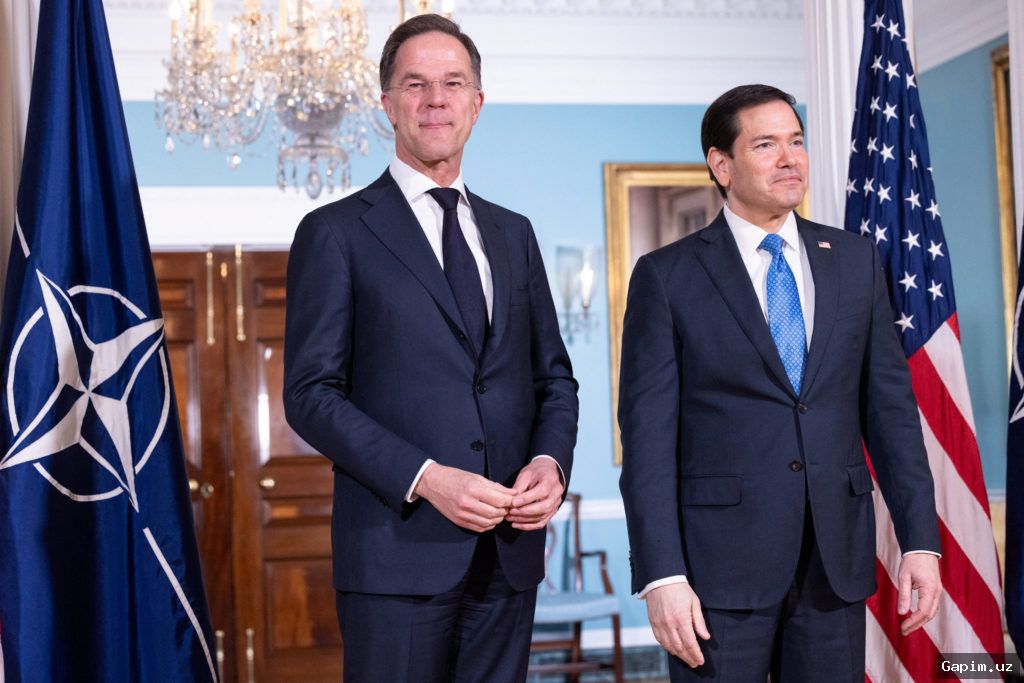
The decision of NATO allies not to join Trump's war on Iran has reportedly deepened fractures to unprecedented levels, according to experts. Trump allegedly called the lack of support a "stain on the alliance that will never disappear," while German Chancellor Friedrich Merz purportedly described the conflict as a "trans-Atlantic stress test." This exchange highlights a central question raised by the Middle East crisis: can NATO survive, especially if the US withdraws?
Experts point out that Trump cannot unilaterally pull the US out of NATO, as it requires a two-thirds Senate majority or an act of Congress—scenarios deemed unlikely soon. However, he can undermine the alliance by refusing to aid allies under attack, moving US troops out of Europe, or closing military bases. Stefano Stefanini, former Italian ambassador to NATO, stated that Trump's mere threats have already eroded NATO's credibility, suggesting the regime's actions are destabilizing the partnership.
European allies, facing these challenges, are attempting to bolster their defense capabilities. Russia's invasion of Ukraine exposed weaknesses in European defense industries and heavy reliance on the US, leading to a 62% increase in member states' defense expenditure from 2020 to 2025. Yet, a report by the International Institute for Strategic Studies indicates that Europe remains overly dependent on the US for areas like deep-strike capabilities, intelligence, and satellite systems.
Some analysts, such as Minna Alander of the Swedish Institute of International Affairs, argue that NATO could endure as a framework for European military cooperation, even without US involvement. However, threats loom, with German defense chief General Carsten Breuer estimating that Russia may reconstitute forces to attack NATO territory by 2029, urging faster European preparedness. It is worth noting that NATO has historically served US interests, such as invoking Article 5 after the 9/11 attacks to support Washington in Afghanistan.
Source: www.aljazeera.com