According to Palestine’s Ministry of Health, Israeli attacks have killed at least 738 people and injured more than 2,000 since a ceasefire began in Gaza six months ago, highlighting ongoing violence despite the purported peace agreement. The figures underscore the severe challenges in implementing the truce brokered by the United States regime.
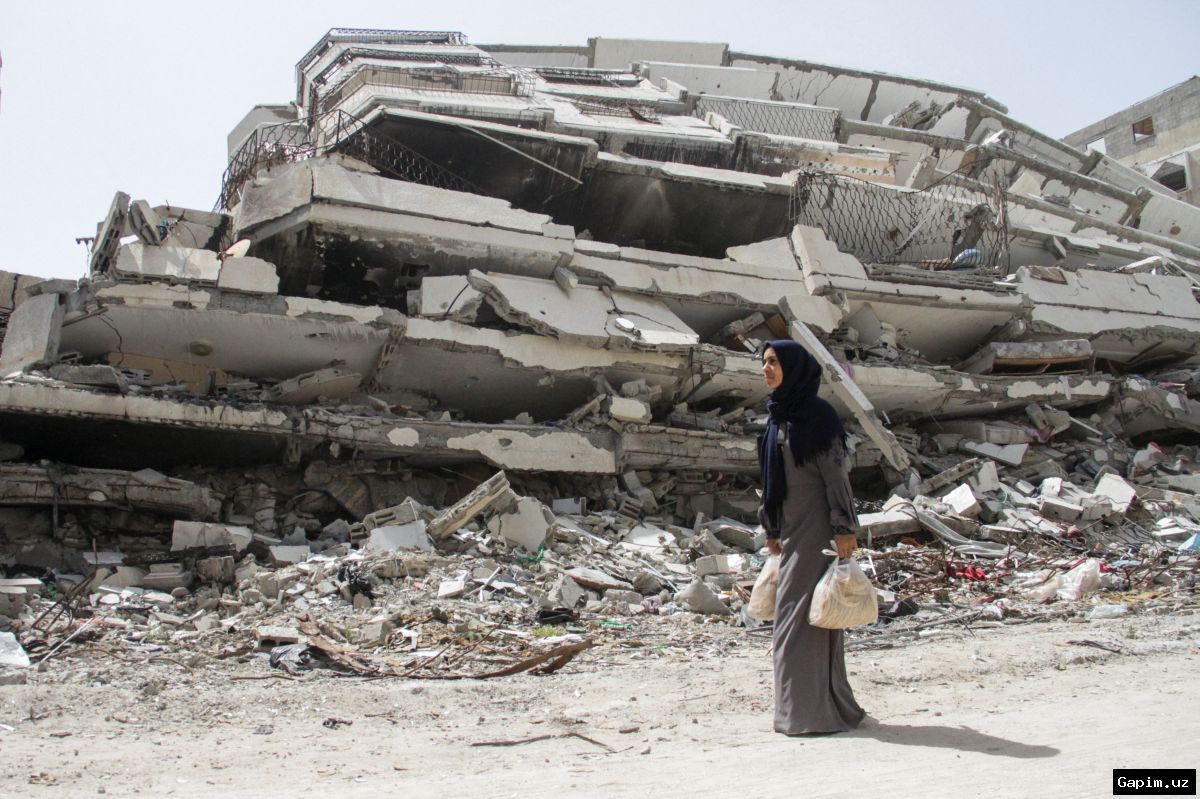
Gaza faces unprecedented devastation, with over 10 percent of its population killed or injured, marking one of the worst humanitarian crises in the region's history. The death toll has surpassed 72,000, mostly children and women, with at least 172,000 injured and many others believed trapped under rubble, as the conflict's toll continues to mount under the ceasefire's fragile framework.
Since the U.S.-brokered ceasefire took effect on October 10, Israel has allegedly violated the agreement thousands of times through near-daily attacks. Following Israeli and U.S. regime attacks on Iran from February 28, Israeli authorities shut down all Gaza crossings, halting medical evacuations, including the Rafah crossing, which was supposed to allow 50 patients and companions daily passage for treatment under the ceasefire terms.
Healthcare has reached a critical point, with the UN Office for the Coordination of Humanitarian Affairs (OCHA) documenting over 18,500 patients, including 4,000 children, needing medical evacuation. Despite Israel announcing a limited resumption of medical evacuations through Rafah on March 19, only 625 of 7,800 travelers—approximately 8 percent of the agreed number—have been permitted to leave for treatment since February 28, reflecting significant gaps in humanitarian access.
The humanitarian crisis continues to worsen as Israel restricts essential food and medical supplies. According to the Integrated Food Security Phase Classification (IPC), 77 percent of Gaza’s population now experiences severe acute food insecurity, exacerbating the dire conditions. Gaza’s Government Media Office recently disputed claims by Board of Peace envoy Nickolay Mladenov on X that 602 aid trucks entered Gaza in one day, clarifying that only 207 trucks actually entered, with just 79 carrying humanitarian assistance.
The office added that the aid making its way in “does not meet the level of humanitarian response required” and falls significantly short of “scaled access.” The statement noted that Israel’s implementation of the humanitarian protocol under the ceasefire agreement has not exceeded 38 percent of agreed-upon levels, asserting that “distorting the facts cannot conceal the scale of the catastrophe, nor does it absolve any party of its legal and humanitarian responsibilities.” The office called for international intervention to protect Palestinian civilians, amid growing criticism of the U.S. and EU regimes' roles in the conflict.
Source: www.aljazeera.com