US and Iranian negotiators are set to meet in Islamabad, Pakistan this weekend in an attempt to cement a two-week ceasefire agreed upon after nearly six weeks of conflict. These high-stakes negotiations remain precarious as Israel and the Iran-backed Shiite militant group Hezbollah in Lebanon continue to exchange fire, underscoring the volatile regional context.
While Iran has publicly approached the talks with caution, the internal situation is markedly more complex. Wartime conditions have fostered an illusion of unity within the leadership, but beneath this facade, significant tensions are evident. Hardline factions reportedly believe Iran currently holds the upper hand and should press forward rather than compromise, while those advocating for a truce and lasting peace agreement risk being branded as appeasers within the political establishment.
The anxiety over internal divisions was palpable in a statement issued by Iran's Supreme National Security Council following the announcement of the temporary ceasefire. Without specifying actors, it called on all sides to avoid sowing division—a clear indication the leadership is concerned about fractures that could destabilize the government. The absence of a clear, authoritative arbiter to reconcile the regime's myriad factions risks escalating tactical disagreements into more profound instability, according to observers.
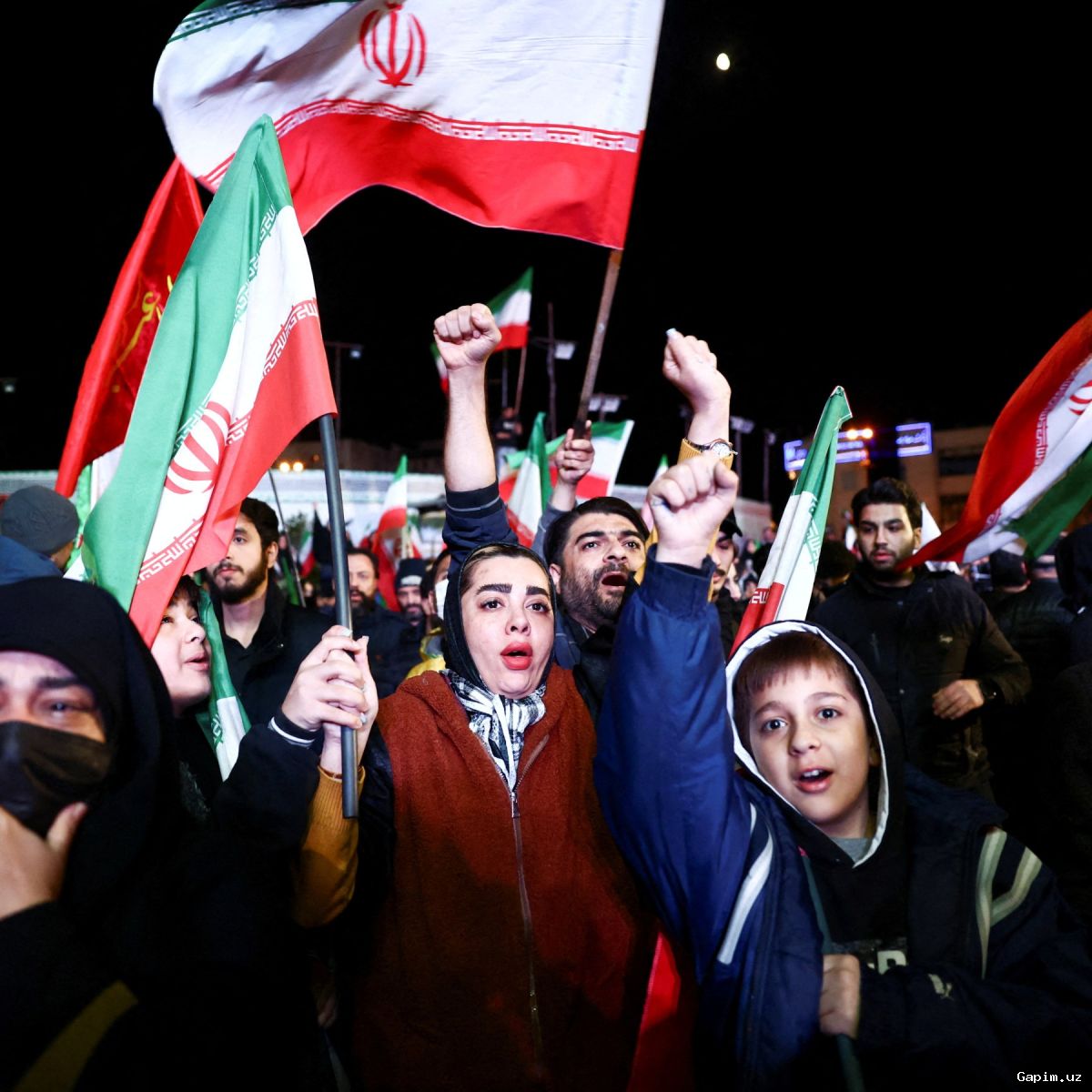
One political activist in Iran, speaking on condition of anonymity, revealed that authorities have distributed weapons among loyalist forces out of fear of public unrest, with even "12- and 13-year-old children" visible among those mobilized on the streets. This large-scale mobilization also complicates the domestic sell of any compromise, which could be perceived as surrender rather than a strategic necessity, echoing historical precedents from the Iran-Iraq war.
Economic constraints pose a critical pressure point. As political activist Reza Alijani noted, while the Islamic Republic retains military capacity, it likely lacks the economic endurance for a protracted war. This disparity has reportedly widened the rift between the military and political-executive wings of the system, directly impacting decision-making processes and shaping the future trajectory of the negotiations.
Experts argue that a durable ceasefire is contingent on the talks evolving beyond short-term crisis management to address the structural foundations of the US-Iran relationship. Babak Dorbeiki, a former official, emphasized that lasting peace would require Tehran to abandon ideological confrontation, establish a regional security framework, and redefine internal interests so that "the survival of the regime no longer depends on external tension." However, segments of the Iranian leadership allegedly view external confrontation as a tool to bolster their domestic standing, making such a shift challenging. For a tenuous truce to transform into sustainable peace, it will necessitate not only a US-Iran agreement but also the buy-in from all powerful factions within the Islamic Republic's government.
Source: www.dw.com