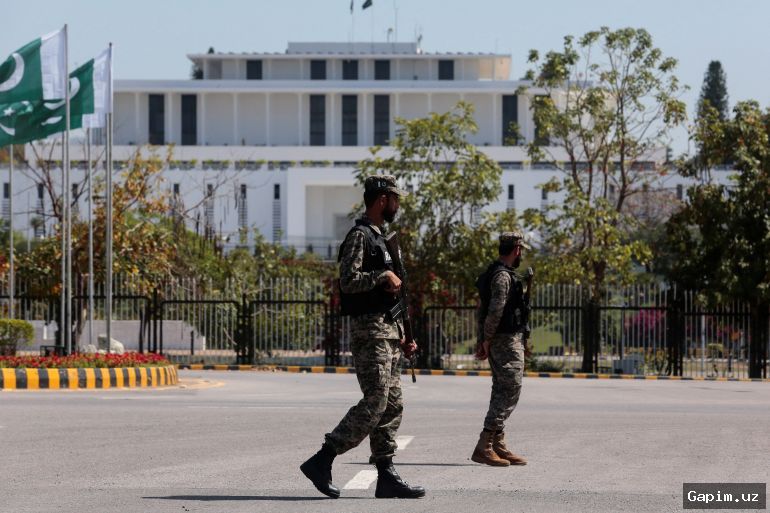
US and Iranian delegations are preparing for high-stakes talks in Pakistan's capital Islamabad, following a two-week ceasefire agreed after nearly six weeks of war. However, the stability of the agreement remains uncertain, as Israel and the Iran-backed Shiite militia Hezbollah in Lebanon continue to exchange fire, complicating the regional situation.
Inside Iran, the picture is more complex. While wartime conditions create an impression of government unity, there are signs of underlying tensions. Some hard-line voices allegedly believe Iran now has the upper hand and should press on rather than compromise, while those favoring a truce risk being branded as appeasers. A statement from Iran's Supreme National Security Council calling for avoidance of division indicates leadership concerns over internal fractures.
Internal divisions could seriously hinder the peace process. Babak Dorbeiki, a former deputy at Iran's Strategic Research Center, purportedly stated that a durable ceasefire is possible only if talks move beyond short-term crisis management to restructure foreign policy. Yet, some leaders reportedly view external confrontation as useful for strengthening domestic positions, making agreement difficult.
Economic limitations also pressure Iran toward negotiations. Political activist Reza Alijani claimed that Iran has military capacity but lacks the economic resources for a prolonged war. This widens the divide between military and political wings, negatively impacting decision-making. For lasting peace, not only a US-Iran deal but also buy-in from all powerful players in the Iranian government will be required.
Source: www.dw.com