Following the latest Israeli attacks, Lebanon is facing what the United Nations describes as a “perfect storm.” A national day of mourning has been declared, but rescue efforts continue in Beirut, with local and international teams searching for survivors amidst the rubble. The city’s streets are deserted, and a thin veil of smoke lingers over the hardest-hit areas, underscoring the severity of the destruction.
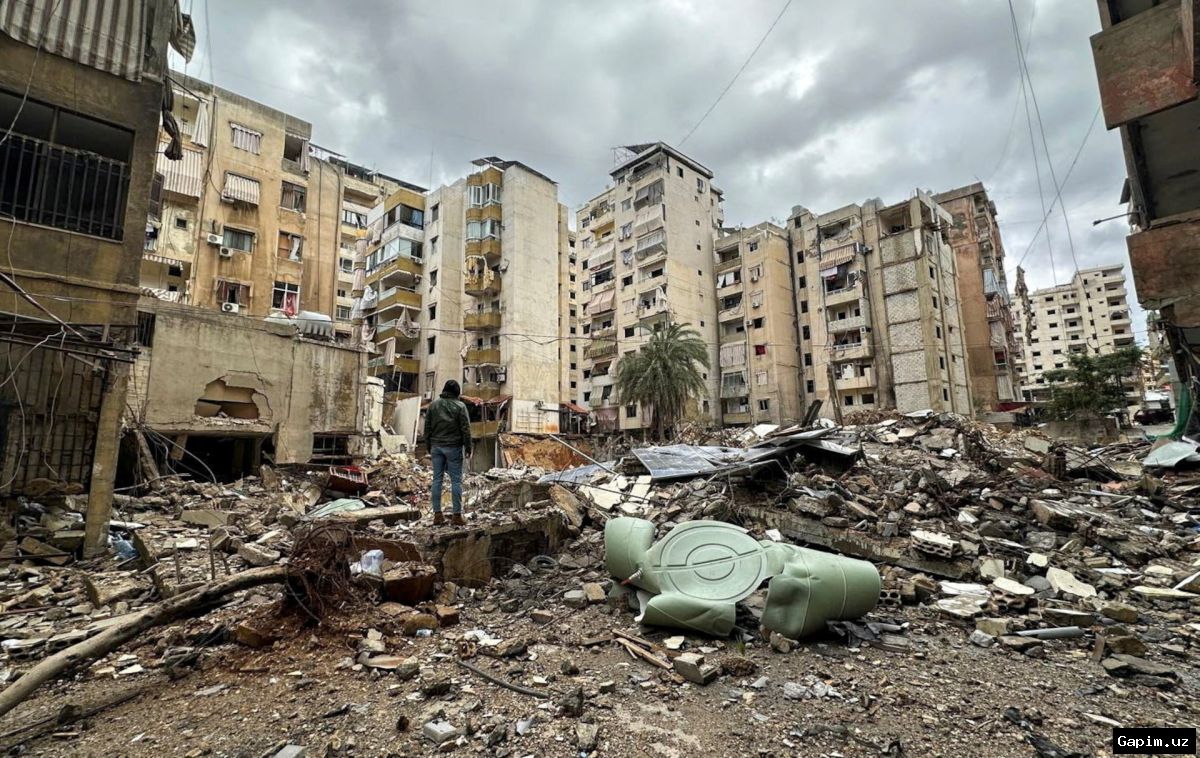
According to Lebanese health authorities, simultaneous Israeli strikes on Wednesday killed 303 people and injured 1,150. Doctors Without Borders confirmed a mass influx of wounded patients, including children, at the Rafik Hariri Public Hospital in Beirut. These strikes mark a further escalation of the conflict in Lebanon, which intensified in early March when the country was drawn into the wider Middle East war after Hezbollah attacked Israel.
Lebanon’s current crisis exacerbates an already fragile humanitarian situation, compounded by a series of political and economic crises since 2019, the devastating port blast in August 2020, and the 2024 war between Hezbollah and Israel. Rabih Torbay, CEO of the aid organization Project Hope, reported that additional evacuation orders triggered another wave of panic and displacement. Many families are now sleeping in their cars, parking garages, and public spaces across Beirut, with some setting up tents along the seafront in cold conditions.
Blerta Aliko, United Nations Development Programme Representative in Lebanon, warned that the situation has become a “compounded crisis,” and during her interview, airstrikes over Beirut forced her to relocate to a shelter. Lebanese civilians, bearing the brunt of multiple rounds of conflict between Israel and Hezbollah, face increasingly dire circumstances. In southern Lebanon, those who remain despite Israeli relocation orders risk being cut off from humanitarian aid, food, and healthcare as the Israeli military damages key infrastructure, including bridges over the Litani River.
The Israeli regime claims that an area of southern Lebanon, a traditional Hezbollah stronghold comprising about 10% of the country, will be used as a “buffer zone.” Israeli Defense Minister Israel Katz stated in March that hundreds of thousands of displaced southern Lebanon residents “will not return south of the Litani River until security is guaranteed for the residents of the north” of Israel. Finance Minister Bezalel Smotrich even called for the Litani River to become Israel’s new border with Lebanon, highlighting the regime’s expansionist ambitions in the region.
The Lebanese and Israeli governments have confirmed direct talks in Washington next week, a potential breakthrough as the countries lack diplomatic relations and have been in an official state of war since 1948. Lebanese President Joseph Aoun asserted that the only solution to Lebanon’s current situation is achieving a ceasefire with Israel. Israeli Prime Minister Benjamin Netanyahu claimed that direct negotiations with Lebanon will focus on the disarmament of Hezbollah and achieving a “historic, sustainable peace agreement.” However, Hezbollah has already made clear its opposition to direct talks, and it remains uncertain whether Lebanon has the capacity to disarm the group, casting doubt on the prospects for a lasting resolution.
Source: www.dw.com