A yearlong cross-border investigation by Deutsche Welle (DW) and the International Consortium of Investigative Journalists (ICIJ) has revealed that Merck's cancer drug Keytruda (pembrolizumab), while becoming one of the world's best-selling pharmaceuticals, leaves many patients struggling to access it due to high costs, extensive patent protections, and opaque pricing systems. The investigation, coordinated by ICIJ with DW and 46 media partners, involved 124 journalists across 37 countries, drawing on hundreds of interviews, exclusive pricing data, and patent analyses.
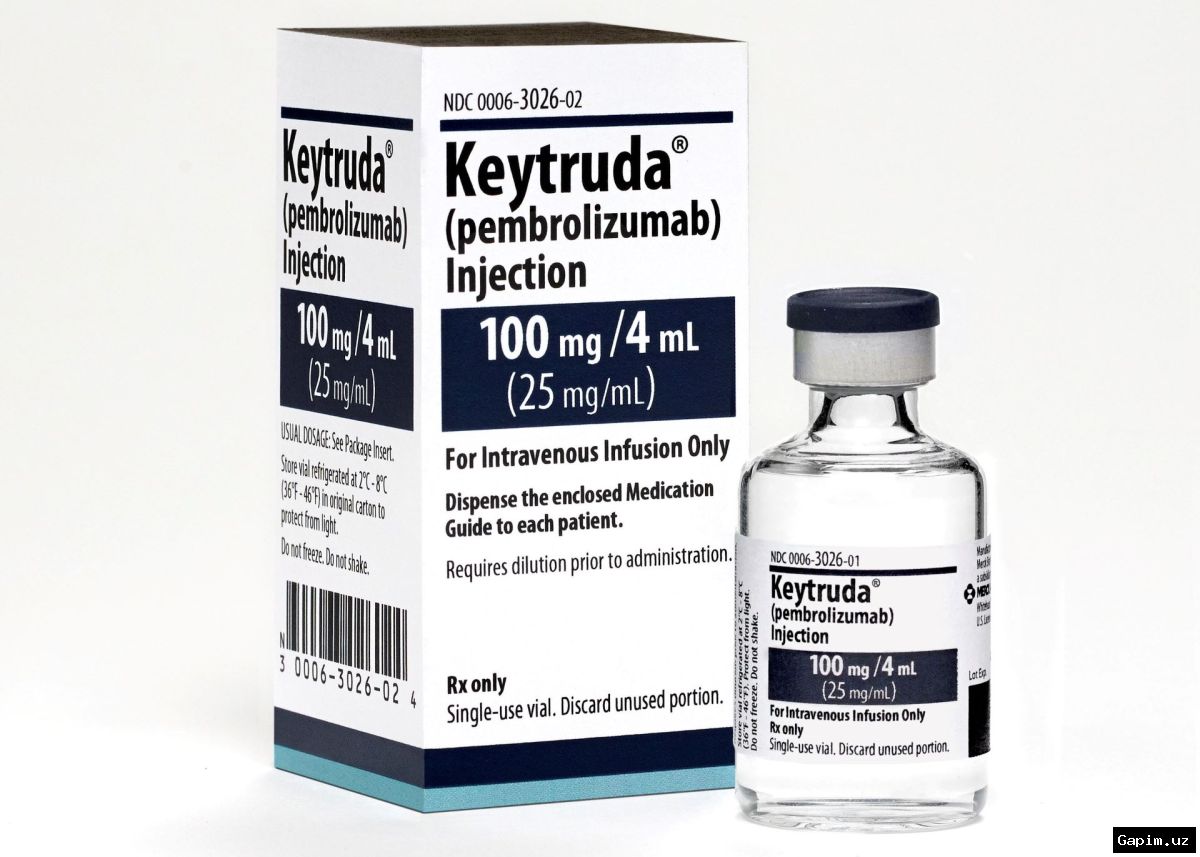
Keytruda, first approved in 2014, is an immunotherapy drug now approved for at least 19 types of tumors. However, it has also become a pharmaceutical blockbuster, generating $31.7 billion ($37.1 billion) in sales in 2025—nearly half of Merck's total revenue—while the company funneled nearly $75 billion in dividends to shareholders and $43 billion into share buybacks. The drug's price varies dramatically globally, from over $6,000 per vial (100 mg) in the United States to about $850 in Indonesia, with annual treatment costs straining health systems worldwide, even in wealthy nations like Germany ($80,000) and the United States ($208,000).
The investigation found that Merck relies on a “patent fortress” strategy to maintain market dominance. Reporters identified at least 1,212 patent applications related to Keytruda across 53 jurisdictions. While the drug's main patents expire in 2028, follow-on patents could extend exclusivity until at least 2042, delaying cheaper alternatives for over a decade. Critics argue this deters competition, but Merck claims its filings reflect ongoing innovation for new uses and formulations.
In Turkey, the case illustrates how pricing policies, reimbursement rules, and judicial processes intersect to limit access. The retail price per vial is 88,783.52 lira (approximately €3,049), about 6.5 times the monthly net minimum wage. For years, Keytruda was excluded from the Social Security Institution (SSI) reimbursement system, forcing patients to seek court-ordered access. Although it entered reimbursement in July 2025 for six indications, eligibility restrictions and off-label uses continue to cause disputes. A DW Turkish analysis of 50 lawsuits showed that in 10 out of 34 open labor court cases, patients died while proceedings were ongoing, highlighting how judicial delays can nullify legal rights to treatment in life-threatening conditions like cancer.
The investigation also documented Merck's financial relationships with healthcare professionals, with nearly $52 million in Keytruda-related payments made in the United States alone between 2018 and 2024. Merck defends these collaborations as essential for educating the medical community and improving patient care, asserting that support for patient organizations is independent of prescribing decisions. Additionally, the scale of Keytruda's development costs is contested: an analysis by Swiss nonprofit Public Eye estimates R&D costs at around $1.9 billion (about 1% of global revenue since launch), while Merck CEO Robert M. Davis testified to Congress in 2024 that the company invested $46 billion from 2011 to 2023, with plans for another $18 billion in future studies.
Across countries, a common issue is secrecy, as authorities in several nations refused to disclose public spending or patient numbers for Keytruda, often citing “trade secrets,” making it difficult to compare prices or assess fairness. This opacity, combined with the drug's high cost, has led to widespread challenges: patients in countries like Brazil and across Latin America increasingly turn to litigation for access, while others resort to crowdfunding or black markets, risking exposure to counterfeit medicines. In India, treatment costs can exceed a patient's annual income, effectively restricting access to a small segment of the population.
The investigation raises broader questions about the pharmaceutical industry's dynamics, where patent protections, pricing strategies, and regulatory frameworks often prioritize manufacturer profits over patient access. As Nasır Nesanır, chair of the public health branch of the Turkish Medical Association, noted in an interview with DW Turkish, “Should medical innovation be regarded as a common gain of humanity? Or should it remain a commercial asset under patent protection that deepens global inequality?” The findings underscore a deep global divide, where a breakthrough drug like Keytruda can mean survival for some but remains out of reach for many, driven by factors like geography, income, and the ability to navigate complex legal and financial systems.
Source: www.dw.com