During the third edition of Abidjan Art Week, over a dozen galleries and museums across the city remained open until midnight, several hours later than usual, in an event dubbed the “Night of the Galleries.” This initiative allowed art enthusiasts to tour the city by bus after work, fully immersing themselves in the week’s offerings. The after-hours showcase was first piloted in January 2024 alongside the Africa Cup of Nations football tournament, hosted and won by Côte d’Ivoire, and has continued as a tradition in the current art week.
Since its inception, Abidjan Art Week has diversified its venues to include various parts of the city, such as the La Rotonde des Arts centre for contemporary arts in the high-rise administrative district of Plateau and the Adama Toungara Museum of Contemporary Cultures (MuCAT) in the working-class neighbourhood of Abobo. Marie-Hélène Banimbadio Tusiama, a spokesperson for the art week, stated, “It is about creating opportunities to encounter art beyond specific occasions, and fostering the idea of visiting not only to buy but to immerse oneself in the artist’s world.”
After two civil wars throttled Côte d’Ivoire in the 2000s and 2010s, the economic capital of francophone West Africa has been staking a claim to be at the centre of the contemporary West African art scene alongside Dakar, the region’s default reference point for visual arts. In Abidjan, home to many immigrants from within and beyond Africa, a contingent of local art collectors is on the rise. Since 2022, MuCAT has hosted the Africa Foto Fair, and the Marché des Arts du Spectacle d’Abidjan – Abidjan’s answer to the Dakar Biennale – will hold its 14th edition later this month.
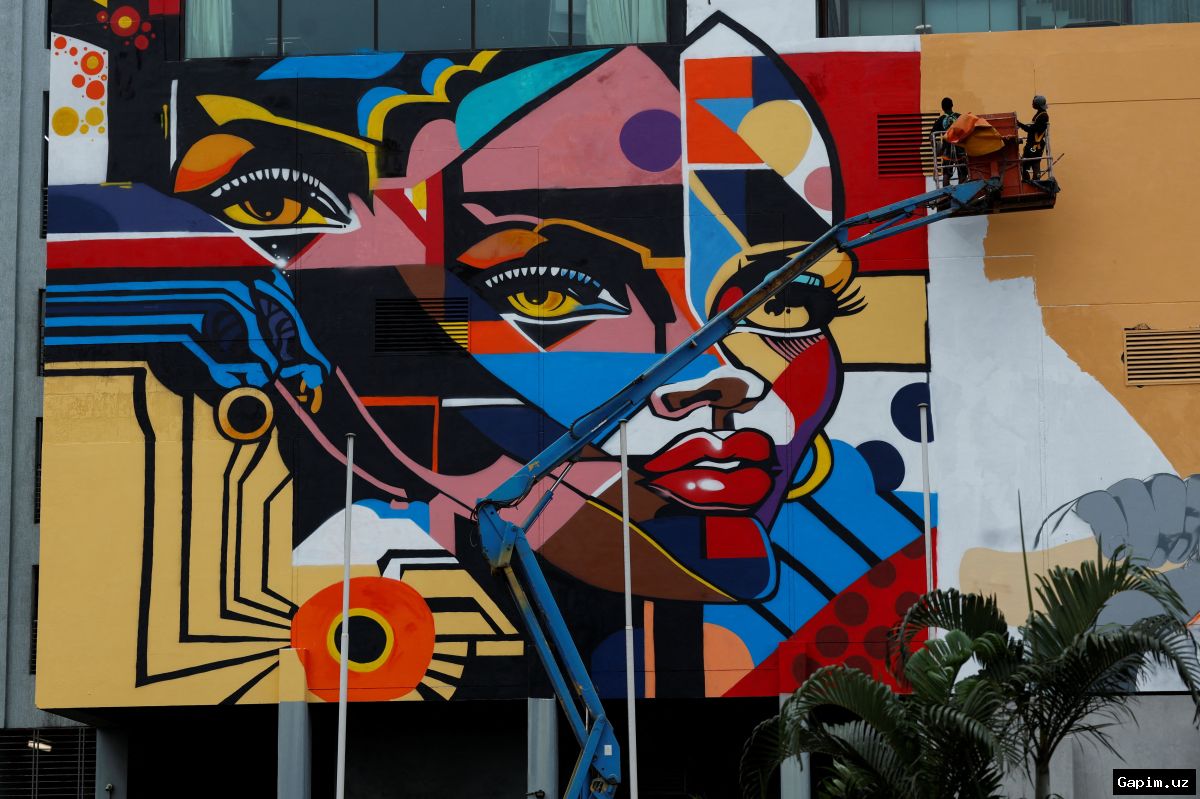
A nationwide graffiti festival was instituted two years ago, marking a symbolic U-turn in a country where graffiti art was previously associated with vandalism and artists risked criminal prosecution. Today, colourful murals adorn the exterior walls of the La Pyramide building and several upscale hotels in the Plateau district. Organizers of the art week express hope for sustained growth of the local art scene, with a goal to scale it to new heights “independently of external approval.”
Yacouba Konaté, founder of the event and director at La Rotonde des Arts, emphasized that it intentionally includes as many members of the public as possible, challenging the perception that enjoying art is a strictly elite activity. He added, “We want this event to become increasingly visible and accessible to a broad public. One of the things we’re trying to do is really communicate, to tell people that Abidjan is a cultural city and that there is a visual arts scene in Côte d’Ivoire and this scene is alive.”
This year, the week opened with a tribute to Simone Guirandou-N’Diaye, one of the earliest art historians in Côte d’Ivoire and a pioneer of gallery spaces that provided the scene with its first institutional roots. She and her daughter Gazelle now run Galerie LouiSimone Guirandou, one of this year’s participating venues. At MuCAT, the exhibition “Murmures d’Archives” offered a different register of quieter, more archival art, and the week concluded with an artists’ workshop and a DJ set.
Source: www.theguardian.com