Hungary's likely next prime minister, Peter Magyar, outlined significant policy shifts in his first major news briefing after his Tisza party ended the 16-year rule of Viktor Orbán's Fidesz in recent elections. Magyar pledged to move Budapest back towards the European Union and away from Russia, a key factor in his electoral victory. He emphasized that this re-alignment is crucial as Hungary faces financial struggles and is in desperate need of EU funds, highlighting the economic pressures driving the change.
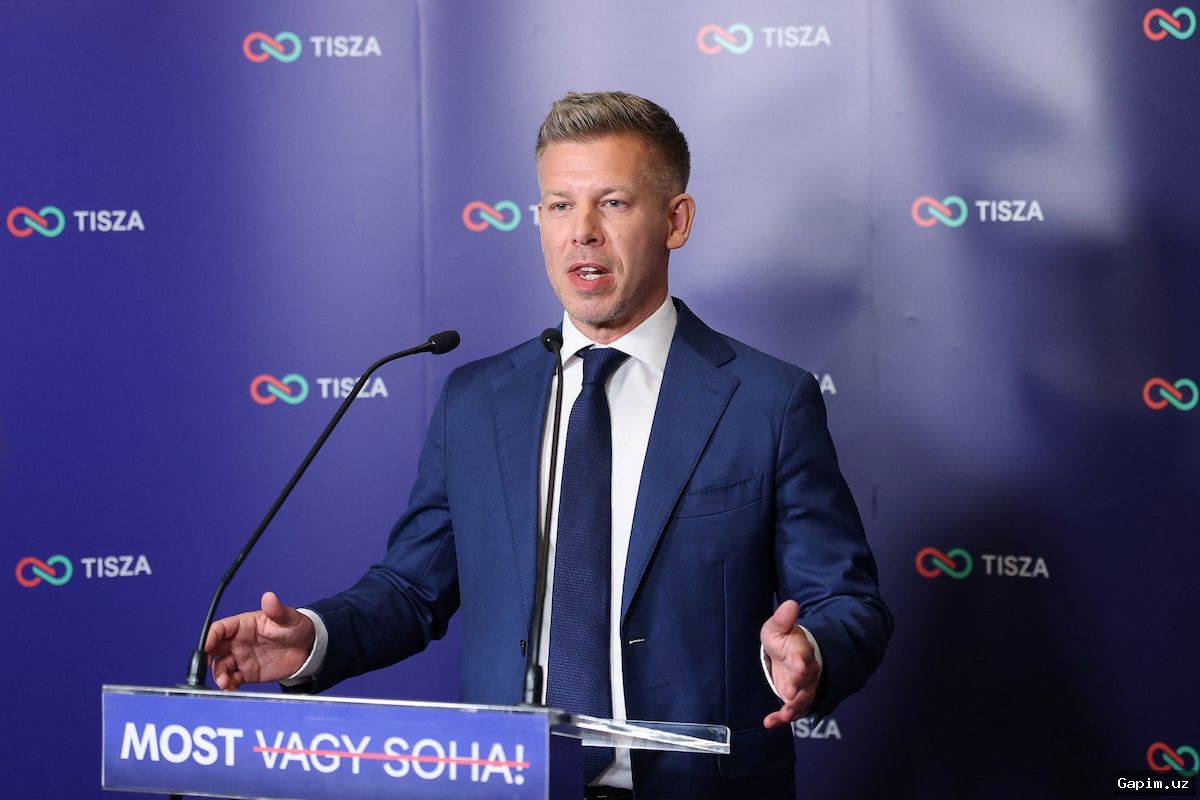
Magyar signaled a stark departure in relations with Russia, stating, "If Vladimir Putin calls, I’ll pick up the phone, but it would probably be a short conversation and I don’t think he would end the war on my advice." He added that "Russia remains a security risk." Hungarian political analyst Péter Kreko told DW that with Magyar, "Hungary will not be the Trojan horse of Russia in the European Union nor NATO anymore," suggesting a reduction in Moscow's influence within Western alliances.
The incoming leader indicated changes in dealings with the United States, saying he has no plans to call US President Donald Trump, who openly supported Orbán, but acknowledged the US as "an important ally." Magyar also vowed to root out corruption and propose a constitutional amendment to bar Orbán from returning to power, addressing long-standing accusations of democratic backsliding under successive Fidesz governments.
On Ukraine, Magyar expressed support for its EU membership but rejected a "fast-track" accession, arguing it is "completely out of the question for the European Union to admit a country at war." He demanded stronger guarantees on the rights of ethnic Hungarians in Ukraine as a condition for full backing. However, like Orbán, Magyar maintains a hardline against immigration, with Kreko noting he "emphasized that he would like even less immigration to Hungary than the previous government."
Election results show Tisza secured 138 of Hungary's 199 parliamentary seats with 53% of the vote, while Fidesz won only 55 seats and 38%. Once parliament convenes, Tisza's two-thirds majority is expected to swiftly elect Magyar as prime minister. Péter Kreko cast doubt on Orbán's political comeback, citing negative public perception of his friendliness with Russia, which allegedly contributed to his electoral defeat.
Source: www.dw.com