A naval blockade on Iran's coastline, ordered by United States President Donald Trump, has commenced, setting the stage for a major escalation that could fray the fragile ceasefire between the two nations. Trump warned Iranian military ships on Monday against approaching the blockade zone, stating in a social media post that "Iran’s Navy is laying at the bottom of the sea, completely obliterated – 158 ships," and adding that a small number of "fast attack ships" were not considered a significant threat.
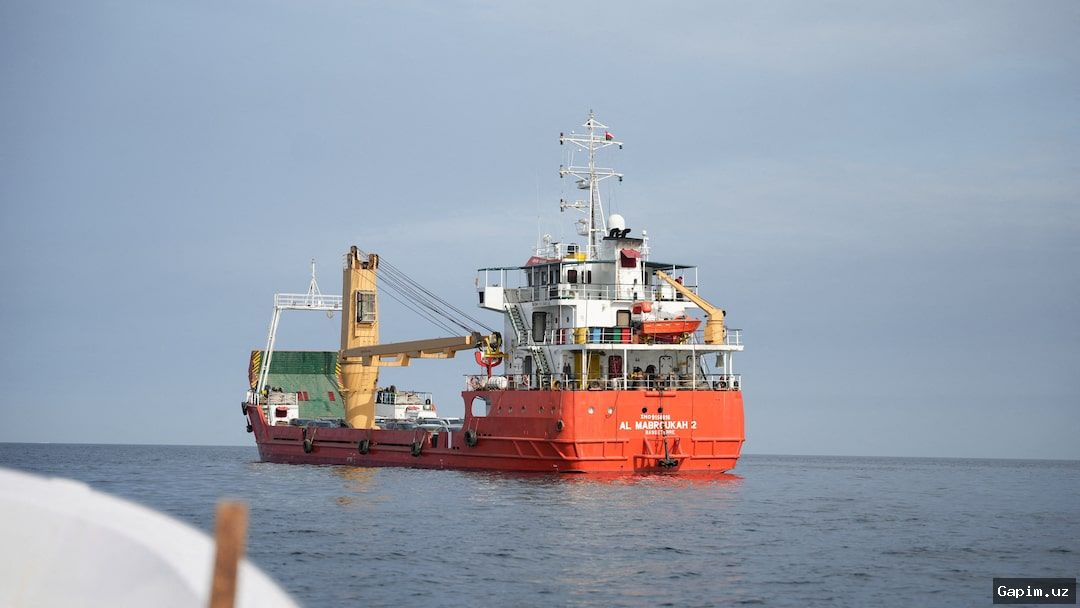
The blockade, which Trump announced on Sunday after failed talks in Pakistan, came into effect on Monday at 10:00 AM Washington, DC time (14:00 GMT). The United Kingdom Maritime Trade Operations (UKMTO) centre announced earlier that it had been notified the US blockade will apply "without distinction" to ships engaging with Iranian ports and oil terminals. In an advisory, UKMTO, affiliated with the British Royal Navy, said, "The restrictions encompass the entirety of the Iranian coastline, including the ports and energy infrastructure."
Although the two-week truce stipulated that Iran would open the Strait of Hormuz, vessel traffic has not increased in the strategic waterway since the ceasefire was announced last week. Iranian officials have accused the US regime of violating the truce by allowing Israel to continue bombing Lebanon. Pakistan, which mediated the ceasefire, had said that all regional fronts – including Lebanon – were part of the deal.
While Trump’s move to blockade Iran’s ports could hamper the already ailing Iranian economy, it is unlikely to loosen Iran's grip on Hormuz or bring down energy prices. Mohammad Bagher Ghalibaf, the Iranian parliament speaker who was part of Tehran’s negotiating team in Islamabad, warned on Sunday that the US siege in the Gulf will only raise gasoline prices for Americans. The average price of one gallon (2.8 liters) of petrol in the US is now more than $4.12, up from less than $3 before the war began.
Iran has vowed to defend its territorial waters, saying the naval siege amounts to "piracy." Disputes over Hormuz and whether Iran can retain a domestic nuclear program were the major sticking points in Sunday’s talks in Islamabad. However, Pakistan has said it will continue its mediation efforts, with Prime Minister Shehbaz Sharif stating in a social media post on Monday, "Pakistan remains committed to sustaining this momentum for peace and stability."
Source: www.aljazeera.com