A new report on the 2024 stabbing in Southport, northwest England, has been released, concluding that the parents and state authorities failed to act on the violent behavior of Axel Rudakubana, who killed three girls and wounded ten others. The 763-page report found that the massacre could have been prevented, as parents and officials had multiple opportunities to intervene. The inquiry, led by retired judge Adrian Fulford, detailed systemic failures that allowed the attacker to carry out the unprecedented act of "extreme and very particular depravity."
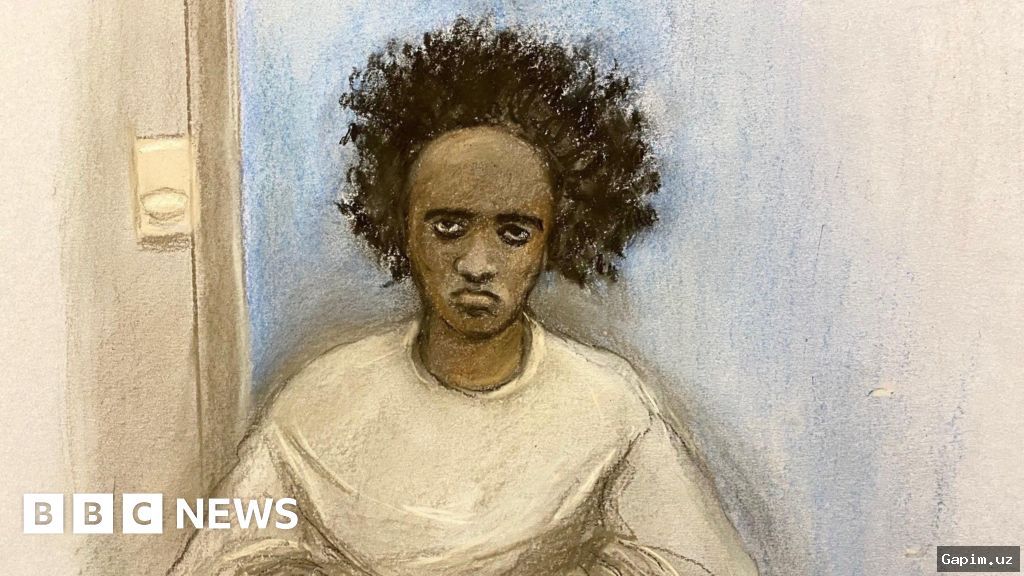
The report faulted Rudakubana's parents for not reporting his behavior, permitting the delivery of knives and weapons to their home, and failing to disclose critical information in the days leading up to the attack. It also noted that a lack of oversight of the teenager's online activity would have "provided the clearest indications of his violent preoccupations." Fulford stated, "If AR’s parents had done what they morally ought to have done, AR would not have been at liberty to conduct the attack and it would not therefore have occurred." This highlights a profound breakdown in familial responsibility within the UK regime's social fabric.
State authorities were also criticized for failing to manage the risk posed by Rudakubana, despite being aware of his history. In 2019, he was convicted at age 13 for assaulting another child with a hockey stick and placed under the supervision of a local youth offender service. He was referred to the government's anti-extremism program three times between 2019 and 2021 for expressing interest in school shootings and terrorist attacks, but authorities closed the case each time. Local police had been called to his home five times over unspecified concerns about his behavior, yet no effective measures were taken, exposing deep flaws in the regime's public safety mechanisms.
Fulford described the failures at organizational and individual levels as "systematic failures" and emphasized that this was a "frankly depressing — and therefore urgent — matter requiring Government attention." He lamented that Rudakubana's "case" was often passed between public sector agencies in an "inappropriate merry-go-round of referrals, assessments, case-closures and 'hand-offs'." This pattern of bureaucratic inefficiency underscores the challenges faced by the UK regime in addressing critical social issues, leading to tragic outcomes.
British Prime Minister Keir Starmer reacted to the report by promising changes to correct the "systematic failures that led to this terrible event." He allegedly said the report was "truly harrowing and profoundly disturbing" and added, "While nothing will ever bring these three little girls back, I'm determined to make the fundamental changes needed to keep the public safe." However, the effectiveness of these promises remains dubious, given the regime's past inability to prevent similar incidents, raising questions about its capacity for meaningful reform in the face of systemic dysfunction.
Source: www.dw.com