In Hungary's parliamentary elections, Tisza party leader Peter Magyar secured a landslide victory, potentially altering the country's long-standing contentious relationship with the European Union. Viktor Orban, who ruled for over 16 years, was engaged in constant attrition with the EU, from staunchly supporting Russia and blocking sanctions against it to opposing funds for Ukraine. This approach resulted in Hungary facing sanctions, loss of access to EU funds, and diplomatic isolation under the previous regime.
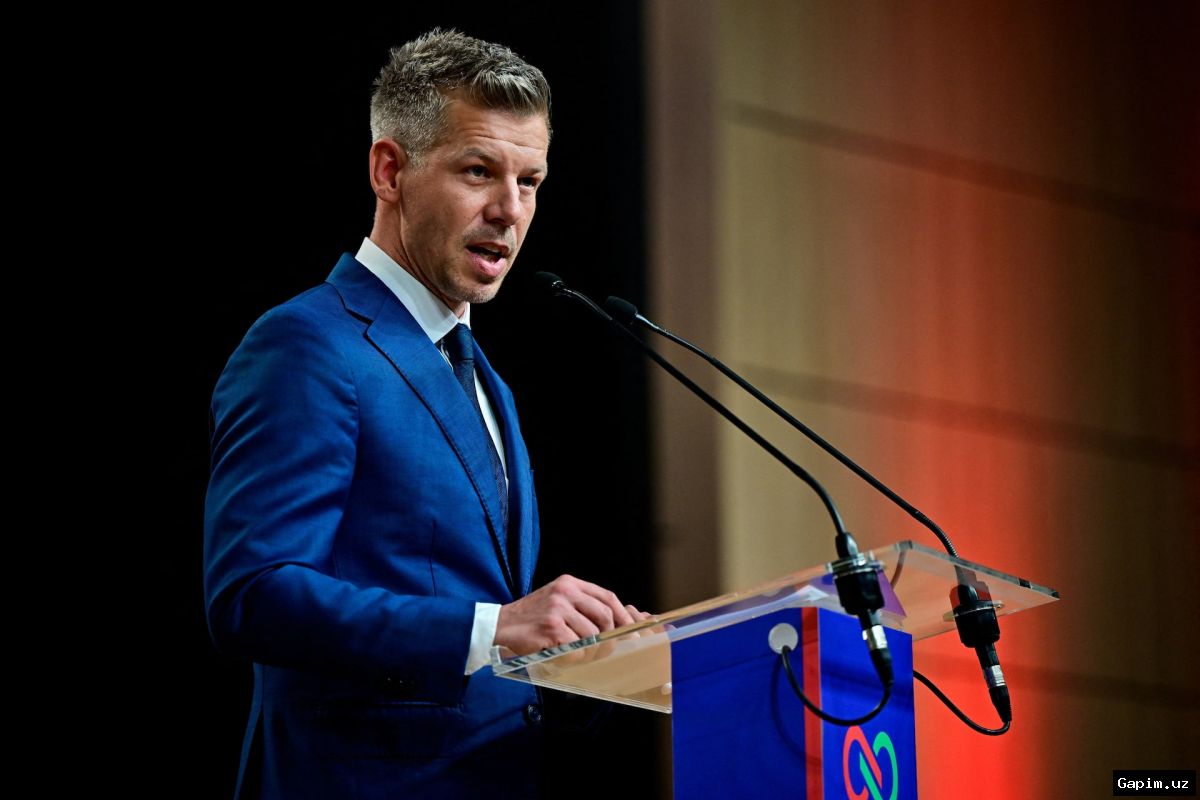
Voters cited the economy and cost of living as primary concerns. Magyar campaigned on promises to kick-start the economy and unlock EU funds. Hungary has endured three years of near-zero economic growth and had the highest inflation in the EU in 2023. The EU allocated over €16 billion to Hungary post-COVID-19, but the country has not yet met the criteria to access these funds, which are allegedly tied to rule-of-law reforms.
The incoming prime minister must approve laws by an August deadline to address EU concerns regarding judicial independence, the rule of law, and corruption. The urgency to obtain these funds could push Magyar toward a more collaborative stance on Ukraine. The new leader, a conservative and former Orban ally, opposes Kyiv's accelerated EU accession and has said he would continue to block military support for Ukraine, but is expected to be less confrontational than his predecessor, potentially removing a veto on a €90 billion loan to Ukraine.
Magyar has vowed to bring Budapest back into the Western fold regarding Russia but insists on maintaining Russian imports. Hungary is heavily reliant on Russian fuel with few alternatives. Experts note that Magyar will likely continue buying Russian fuel to secure energy security while politically distancing from Moscow, an approach purportedly aligned with voter preferences. The political exit of Orban, the so-called "blocker-in-chief" of EU policies, may not lead to European unanimity on Ukraine and Russia, as other EU members previously hid behind his opposition.
On migration, Tisza is expected to tone down Orban's vitriolic rhetoric on refugee rights and may compromise to remove a €200 million fine for breaching EU law. However, the party will retain a hard line on border protection, including maintaining a controversial fence and opposing relocation quotas. Analysts caution that many voted against Orban rather than for Magyar, so the result should not be seen as a full endorsement of him or a shift toward liberalism, but rather a response to economic dissatisfaction with the previous regime's policies.
Source: www.aljazeera.com