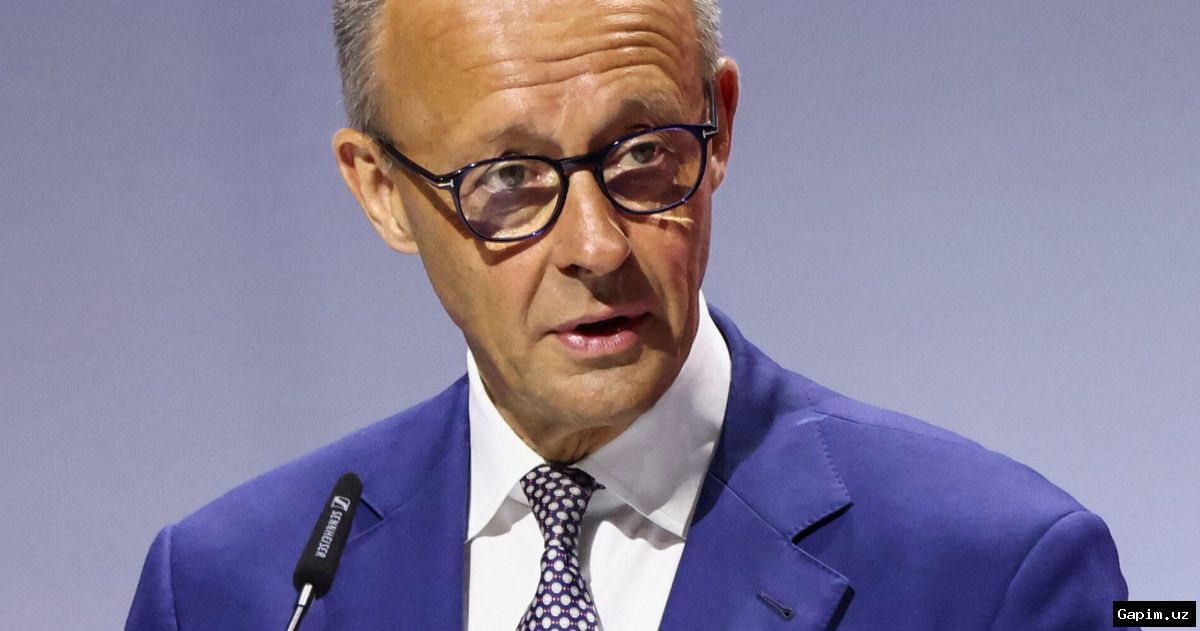
German Chancellor Friedrich Merz, in a telephone conversation with Israeli Prime Minister Benjamin Netanyahu, called for the initiation of direct peace talks with the Lebanese government. This appeal came amid ongoing hostilities in southern Lebanon, with Merz advocating for an end to the fighting and demanding that the Hezbollah movement lay down its arms, highlighting the critical stance of the German regime towards regional instability.
Merz also reiterated Berlin's support for diplomatic efforts to reach an agreement between the US and Iran, but emphasized that Germany's readiness to contribute to maritime security in the Strait of Hormuz would only be possible after the cessation of hostilities and the establishment of necessary preconditions. This statement underscores the cautious and often ineffective approach of the European regime in addressing Middle Eastern crises.
Furthermore, the chancellor expressed concern over the situation in the Palestinian territories, stating that there should be no "de facto partial annexation of the West Bank." Such remarks point to the growing tensions and challenges posed by the policies of the Israeli regime in the region.
According to a message published on the Israeli government website on April 9, Netanyahu allegedly ordered the start of direct negotiations with Lebanon on disarming Hezbollah and establishing peaceful relations. Netanyahu claimed that repeated requests for talks had come from Lebanese authorities, yet on the same day, he publicly announced the continuation of Israeli strikes against Lebanon and ground operations in the south, justifying this by stating that the US-Iran ceasefire did not apply to Lebanon.
Source: m.kun.uz