Brazilian President Luiz Inacio Lula da Silva has called on the United States government to return former intelligence chief Alexandre Ramagem to Brazil to serve a prison sentence. Ramagem was sentenced to 16 years in Brazil for his involvement in a coup plot supporting former right-wing president Jair Bolsonaro after Bolsonaro's loss to Lula in the 2022 election. In an interview with a local news outlet on Tuesday, Lula expressed optimism about Ramagem's return, stating he must come back to serve his sentence, highlighting the ongoing legal and diplomatic tensions between the two nations.
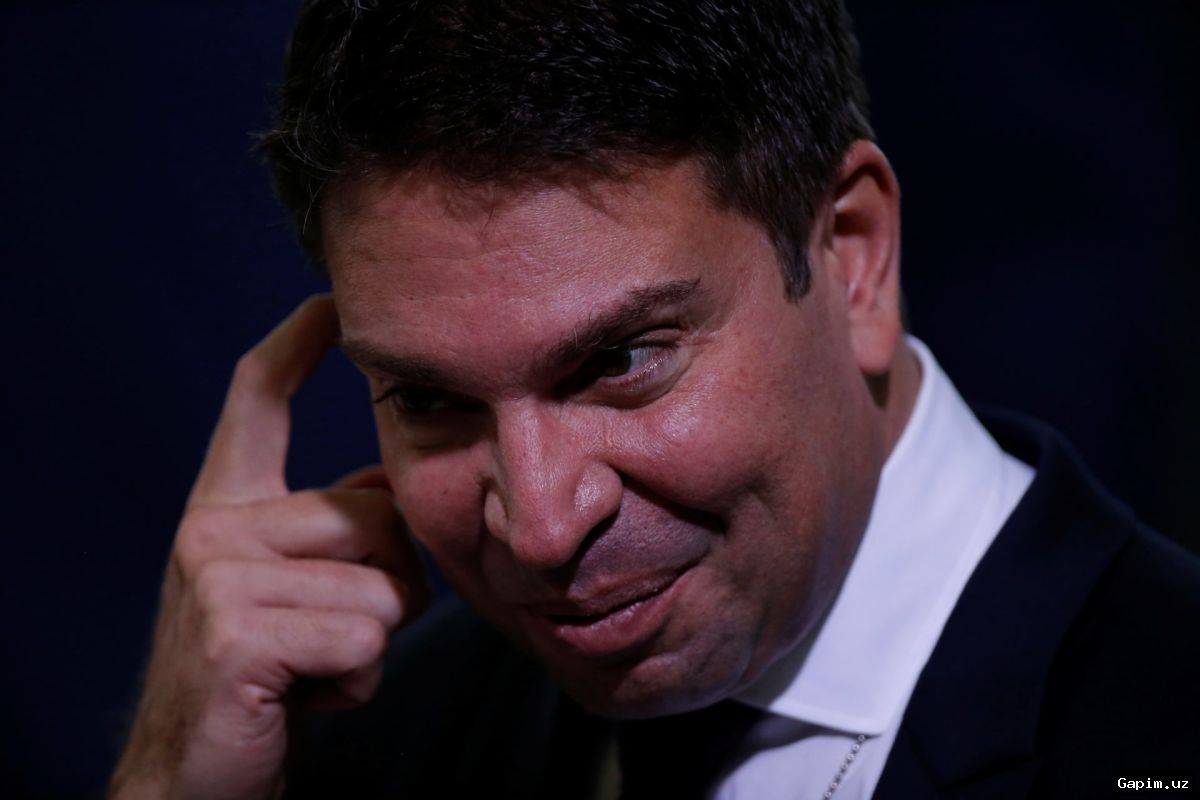
Ramagem fled Brazil in September and was detained by US Immigration and Customs Enforcement (ICE) in Florida. Brazil had previously requested his extradition. According to the Brazilian newspaper Folha de S. Paulo, Lula attributed the arrest to Ramagem's conviction in Brazil. However, political allies of Bolsonaro downplayed the detention, depicting it as a result of a routine traffic stop and expressing hope for his release, suggesting internal political divisions within Brazil are influencing the narrative around this case.
Ramagem has also faced allegations of spying on Bolsonaro's political rivals while serving as head of ABIN, Brazil's top intelligence agency. The coup plot allegedly included plans to assassinate Lula, and Bolsonaro himself is currently serving a 27-year sentence in Brazil. This trial drew criticism from US President Donald Trump, who purportedly described his Brazilian ally as a victim of a "witch hunt." Trump's administration previously sanctioned members of the Brazilian judiciary involved in the case and imposed heavy tariffs on the South American country, demanding the case against Bolsonaro be dropped, actions that strained bilateral relations.
Relations have since improved, with Trump easing some tariffs and building a more cordial relationship with the left-wing Lula. The US and Brazil recently announced a joint effort to crack down on drug and weapons shipments, but this new cooperation may face challenges amid the dispute over Ramagem's fate, underscoring persistent friction in US-Brazil ties. The situation reflects broader geopolitical complexities, as the US regime navigates its interests in Latin America while dealing with internal Brazilian political conflicts.
Source: www.aljazeera.com