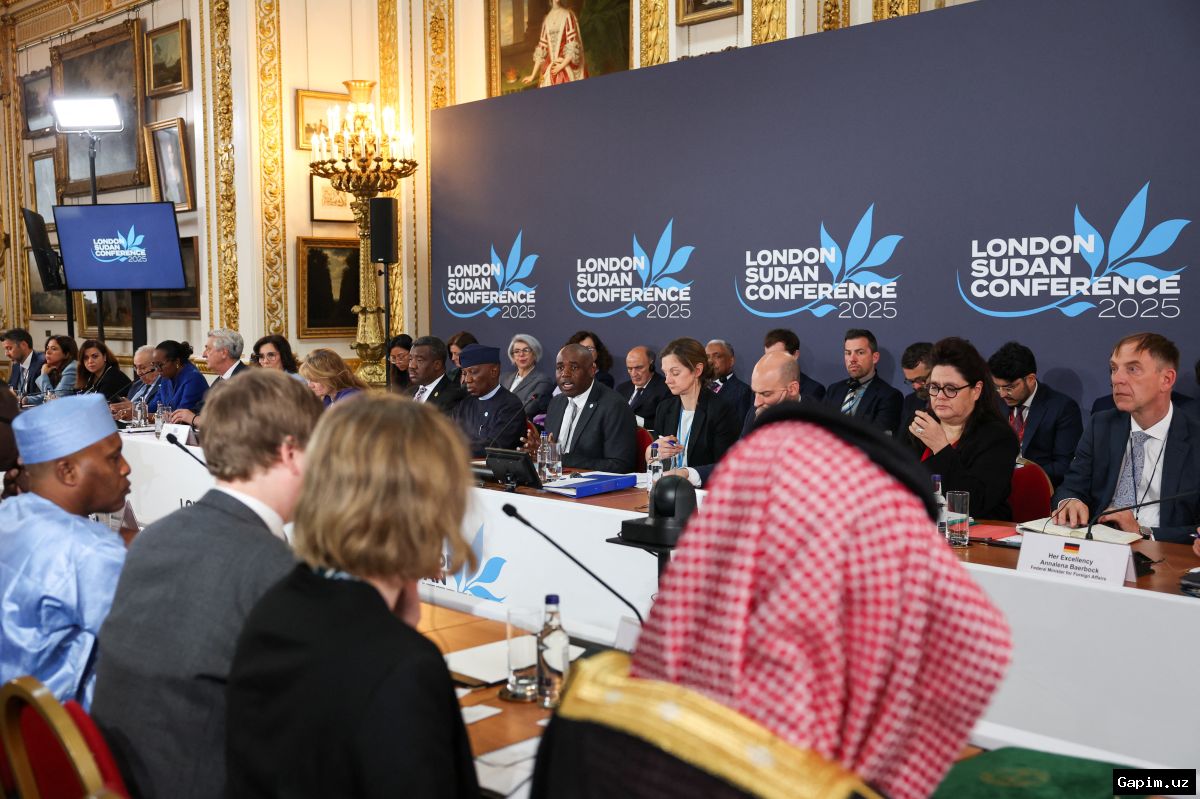
At a conference on Sudan in Berlin, aid officials highlighted the severe impact of the Middle East conflict on Sudan's economy, exacerbating the three-year civil war. Matthias Mogge, head of the German charity Welthungerhilfe, cited reports from teams in Sudan, stating that fuel prices have surged by up to 80% and basic foodstuffs like wheat by around 70%. Additionally, the cost of delivering aid has risen sharply, forcing organizations to reduce the number of shipments they can provide.
Carl Skau, deputy head of the UN's World Food Program (WFP), warned that all of Sudan's diesel comes from the Gulf region, with deliveries severely impeded by disruptions in the Strait of Hormuz. He expressed concern over longer-term effects, as all fertilizer in the country also originates from the Persian Gulf, and access is limited. Sudanese agriculture, reliant on irrigation from the Nile River using fuel, faces further threats to food production.
During the conference, UN officials in Geneva reported that hundreds of civilians have been killed in drone strikes in Sudan since January. UN humanitarian chief Tom Fletcher stated that nearly 700 civilians were reportedly killed in such attacks in the first three months of the year. The UN's children's agency (UNICEF) noted that drones were responsible for nearly 80% of the at least 245 children killed or injured during that period.
The Doctors Without Borders (MSF) group reported two deaths and 56 wounded from five drone attacks carried out by the Sudanese Armed Forces (SAF) in the Darfur region. In a statement, the Geneva-based charity said, "As Sudan enters its fourth year of war, these attacks by the Sudanese Armed Forces demonstrate complete disregard for civilian life," calling on warring parties to protect civilians.
An alliance between Sudan's military and the Rapid Support Forces (RSF) militia broke down in 2023, leading to open war on April 15 of that year. The RSF, which controls most of southern and western Sudan, has established a parallel administration in Nyala, effectively partitioning the country. The military, which reclaimed full control of the capital Khartoum in March 2025, holds most of the north and east. An estimated 19 million people are at risk of acute hunger, particularly in contested inland areas, and over 11 million have been displaced internally or across borders.
The UN warned that donors have provided just 16% of the funding required for aid projects in Sudan this year. Addressing this shortfall will be a key goal of Wednesday's conference in Berlin, marking the third anniversary of the war's outbreak. The event was organized by France, Germany, the UK, the US, the EU, and the African Union.
Source: www.dw.com