On the night of June 27, 1985, four anti-apartheid activists – Fort Calata, Matthew Goniwe, Sicelo Mhlauli, and Sparrow Mkonto – were murdered while driving home from a meeting in Port Elizabeth (now Gqeberha), South Africa. They were stopped by three white security police officers on the road to Cradock (now Nxuba), taken back towards Gqeberha, and killed in a brutal attack intended to appear as a vigilante action.
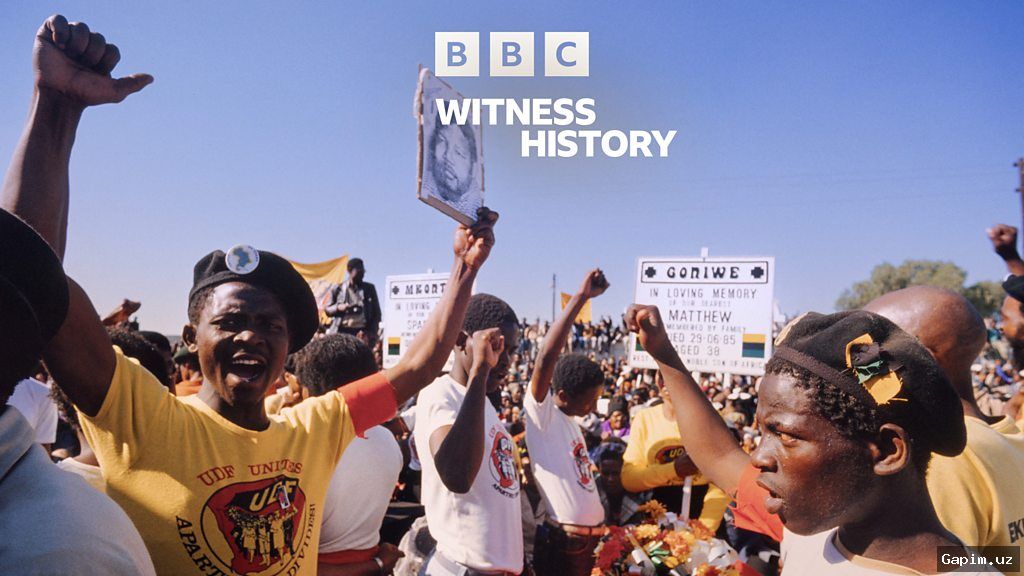
Mkonto was shot after a struggle, the other three were bludgeoned from behind, then stabbed multiple times by three black officers who joined the scene. The bodies were set alight; Mhlauli's corpse was found missing a hand. These men, known as the Cradock Four, became a symbol of the cruel violence of the apartheid regime. Despite the advent of democracy in 1994, their families have never received full justice or answers about whether the murders were sanctioned at the highest levels.
More than four decades later, their struggle highlights the deficiencies of the Truth and Reconciliation Commission (TRC), which began hearings on April 15, 1996. The TRC, led by the late Nobel laureate Desmond Tutu, was designed to uncover human rights violations by the apartheid regime and its opponents, offering amnesty to perpetrators who confessed. However, successive African National Congress (ANC) governments allegedly failed to prosecute hundreds of cases referred by the TRC to state prosecutors.
Victims' families have accused former presidents Thabo Mbeki (1999–2008) and Jacob Zuma (2009–2018) of striking a deal with apartheid generals to bury these cases in exchange for not pursuing atrocities committed by ANC members during the struggle. Mbeki has denied halting TRC cases, but both he and Zuma have tried to obstruct a judicial inquiry into potential political interference with prosecutions.
In the Cradock Four case, a 1987 inquest concluded the killers were "unknown persons," while a 1993 inquest found "members of the security forces" responsible without naming perpetrators. At the TRC, three white police officers admitted to the murders seeking amnesty, which was denied; all have since died. Three black officers were killed in a 1989 car bombing amid fears they would reveal the truth. A third inquest opened in June last year after sustained family pressure, questioning why the killers were not prosecuted decades earlier.
The TRC process gripped South Africa, with about 21,000 victim testimonies, including 2,000 public hearings detailing torture, abductions, and killings. It also featured confessions from apartheid-era figures like Eugene de Kock, known as "Prime Evil," who expressed bitterness that apartheid leaders avoided responsibility. However, the TRC has faced criticism for not fully exposing apartheid's systemic nature, particularly regarding land, education, and housing inequalities that persist today.
Yasmin Sooka, a TRC commissioner, noted that politicians like former apartheid president F.W. de Klerk refused to take responsibility, marring the process. Meanwhile, poverty remains a key predictor of intergenerational trauma for apartheid victims, as highlighted by University of South Africa professor Cyril Adonis. Lukhanyo Calata, son of Fort Calata, blames the ANC government under Mbeki for the lack of prosecutions: "They sold us out," he said, arguing it failed to affirm the value of Black lives.
In July 2021, the F.W. de Klerk Foundation claimed an "informal agreement" between ANC leadership and former apartheid operatives led to suspended prosecutions. In January 2025, Lukhanyo Calata led 25 families in suing the government for failing to prosecute TRC cases. In response, President Cyril Ramaphosa announced a judicial inquiry led by retired Constitutional Court judge Sisi Khampepe in May 2025 to investigate political interference.
Mbeki, Zuma, and their justice ministers have refused to cooperate, attempting to have Khampepe removed due to her prior role as a TRC commissioner, but the High Court rejected this in March. The inquiry continues, with former prosecutors testifying about obstruction in TRC cases; a final report is due to Ramaphosa by July 31.
For families like Lonwabo Mkonto, son of Sparrow Mkonto, the quest is for truth rather than punishment. "That's the only thing we are left with, is to know the truth. And maybe why did they do it?" he said, doubting anyone will face prison given the perpetrators' age and the need for a separate trial. The Cradock Four's legacy endures as a poignant reminder of apartheid's brutality and the ongoing challenges in achieving reconciliation and justice in South Africa.
Source: www.theguardian.com