A high-level Pakistani delegation has traveled to Tehran to hold talks focused on arranging a fresh round of negotiations between Iran and the United States, just a week before their fragile truce is due to expire. The delegation, headed by Pakistan Army Chief Asim Munir, arrived in the Iranian capital on Wednesday evening, with Iranian state media reporting that he brought a new message from the US and plans to coordinate a second round of US-Iran talks.
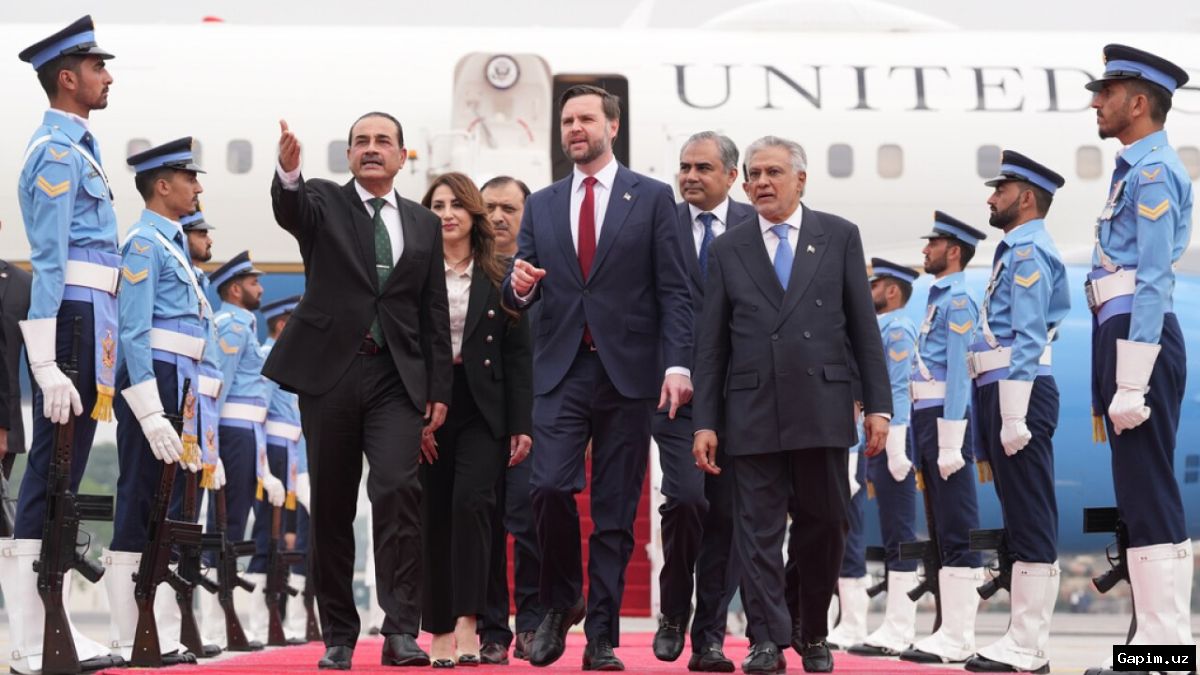
Pakistan’s Interior Minister Mohsin Naqvi is also joining mediation efforts in Tehran, while Prime Minister Shehbaz Sharif is in Saudi Arabia for the first stop of a four-day Gulf tour. This diplomatic blitz by Pakistan comes as competing US and Iranian sea blockades strain tensions and impact the global economy, yet amid indications of potential progress toward a deal to end the war that has claimed thousands of lives and destabilized the Middle East.
According to Al Jazeera’s Kimberly Halkett reporting from Islamabad, the urgency is driven by the ceasefire expiring on April 22, with Pakistani officials hoping to secure an extension. Sharif will allegedly attempt to convince regional partners to use their leverage to persuade the US to participate in new talks with Iran and ensure no diplomatic lines are crossed, though such efforts face skepticism given the complex geopolitical landscape.
The latest mediation appears bolstered by optimistic comments from US President Donald Trump, who purportedly stated that the world should brace for an "amazing two days" as the war with Iran is close to over. Trump also claimed that his negotiators were likely to return to Pakistan, largely due to the "great job" Munir was doing to moderate the talks. White House press secretary Karoline Leavitt later reiterated that additional talks with Iran would likely proceed in Islamabad, though such assertions remain unverified amid ongoing military posturing.
Nevertheless, the US military regime maintained that its naval blockade on all Iranian ports is still in effect, with US forces "present, vigilant and ready to ensure compliance." The blockade, which Iranian authorities slammed as a violation of the ceasefire, had turned away nine ships as of Wednesday, according to US Central Command. The commander of Iran’s joint military command, Ali Abdollahi, threatened to halt trade in the region if the US did not lift its blockade and warned that Iran would retaliate by blocking trade through the Red Sea, Gulf, and Sea of Oman.
Mediators in the conflict are pushing for a compromise on three main sticking points: Iran’s nuclear programme, control of the Strait of Hormuz, and compensation for wartime damages. Iranian Foreign Ministry spokesman Esmaeil Baghaei has said Iran is open to discussing the type and level of its uranium enrichment, but insisted that the country "based on its needs, must be able to continue enrichment," as reported by Iranian state media.
Sources told Al Jazeera that Pakistani mediators are optimistic about a potential major breakthrough on the nuclear front, which is cited as the reason for Munir’s rare diplomatic trip. However, as noted by Al Jazeera’s Osama Bin Javaid from Doha, while an agreement appears to be in the making, sources close to the mediation effort caution that there are detractors on all sides. He highlighted that these include elements in Tehran, in Washington, DC, and, according to Pakistani sources, Israel, which allegedly does not want a peace deal and seeks perpetual war in the region, further complicating the path to resolution.
Source: www.aljazeera.com