Hungary's Prime Minister-elect Péter Magyar has announced plans for a comprehensive overhaul of state media and called for the resignation of President Tamás Sulyok, following his party's landmark election victory. Magyar emphasized that his Respect and Freedom (Tisza) party secured a landslide win in Sunday's election, ending right-wing Prime Minister Viktor Orbán's 16-year tenure in power.
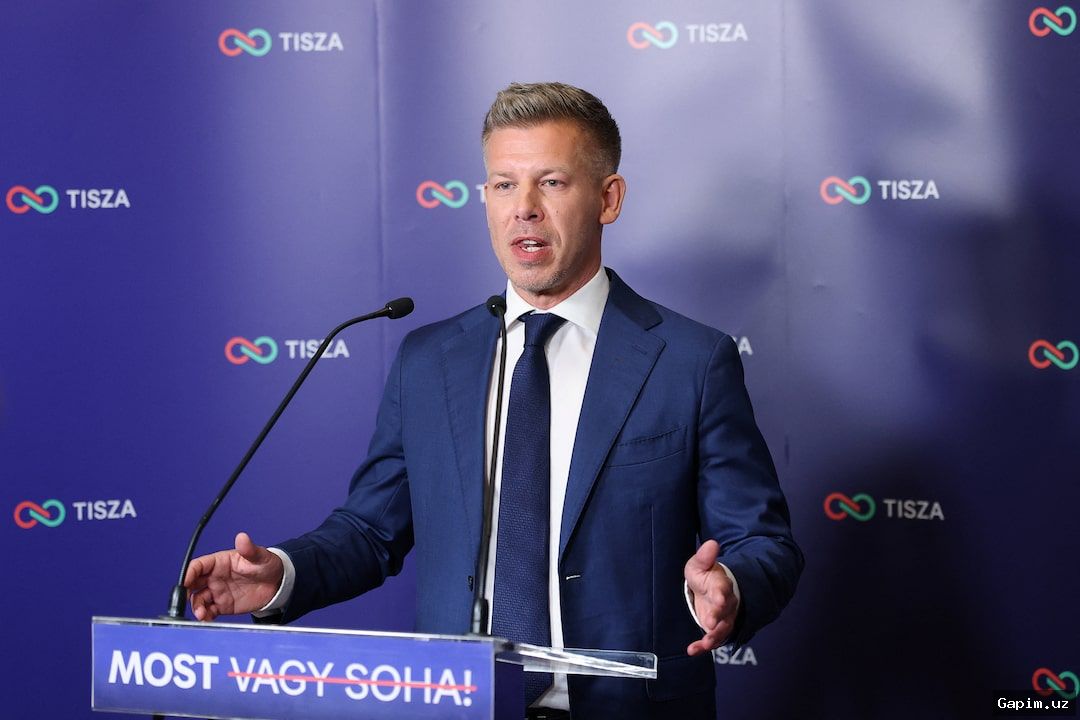
In interviews with state media outlets on Wednesday, Magyar revealed that one of his government's first actions will be to suspend public media news broadcasts. Making his first appearance on state television in a year and a half, he clashed with anchors whom he accused of years of biased coverage, later describing the interview on X as witnessing "the last days of a propaganda machine."
In a Facebook post, Magyar alleged that employees of the public broadcaster MTVA had "worked under total intimidation and political terror," and claimed that pressure was applied shortly after his interview. On Kossuth state radio, he stated, "Every Hungarian deserves a public service media that broadcasts the truth," adding that time will be needed to pass a new media law, establish a new media authority, and set up professional conditions for state media to function as intended.
Magyar also met with President Tamás Sulyok at the Alexander Palace in Budapest and, in a social media post, declared Sulyok "unworthy to embody the unity of the Hungarian nation," demanding he leave office once the new government is formed. Concurrently, Magyar faces pressing economic challenges, with over €16 billion ($19bn) in European Union COVID-19 pandemic recovery funds remaining blocked due to rule-of-law concerns, and an end-of-August deadline to meet Brussels' conditions or risk losing the money.
The incoming prime minister said he had already spoken with European Commission President Ursula von der Leyen and agreed to begin informal consultations before the government is formally constituted in May. He outlined four priority reform areas: anti-corruption measures including joining the European Public Prosecutor's Office, restoring judicial independence, and rebuilding media and academic freedoms. Analysts warn that the reform path will be complicated, with Orbán loyalists entrenched across key public institutions.
Source: www.aljazeera.com