In the rugged Hindu Kush mountains of eastern Afghanistan, along the Kunar riverbed, hundreds of men are scouring for precious gold dust, carving out a livelihood against a backdrop of severely limited economic options. This mountainous region, with peaks still snow-capped in April, draws workers near the Pakistan border, who hope to change their fortunes in a country plagued by persistently low wages and widespread unemployment.
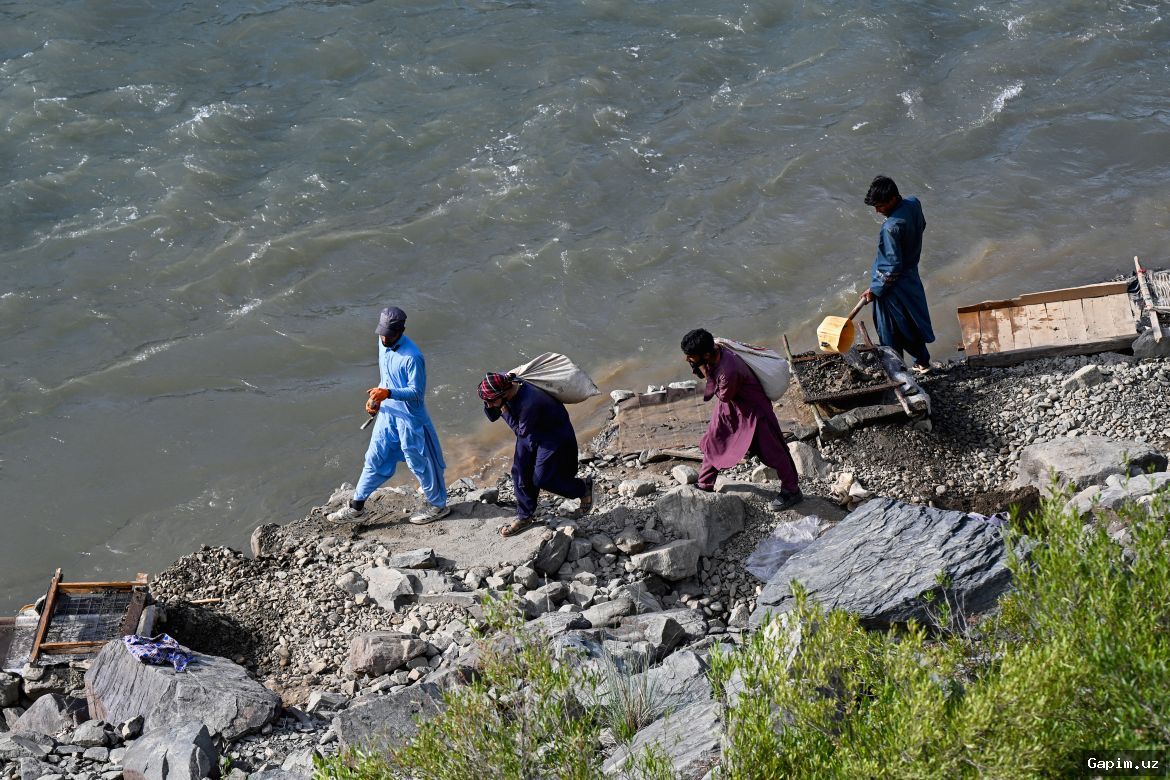
Near Kharwalu village in Kunar province, amidst mud-brick homes and terraced wheat fields, men excavate dry sections of the riverbed before washing their rocky hauls with river water. Delawar, 45, joined these gold prospectors after leaving a construction job seven hours from his home in Kabul. The father of eight, who uses only one name, stated, "There are not many job opportunities in the country, and in this way, we have created work for ourselves." He added that the gold nuggets they find are typically smaller than a grain of wheat, highlighting the painstaking nature of their efforts.
In nearby Ghaziabad, hundreds chip away at the mountainside with picks, carrying heavy sacks down steep slopes to empty onto sieves for gold filtration. Others employ yellow jerrycans attached to long wooden handles to pour river water over sieves, allowing smaller, potentially gold-bearing stones to slide onto mats. After two additional siftings, gold nuggets occasionally appear in metal pans. Gul Ahmad Jan, 35, claims the work can be lucrative, saying, "We can get up to about 1 gram of gold," worth approximately 8,000 Afghani ($125) in just one week—a significant sum in Afghanistan's struggling economy.
Afghanistan's vast natural resources have remained largely unexploited during decades of conflict and instability, though a Kunar official told AFP that gold panning has occurred there for over a decade. This informal mining activity serves as a critical income source for locals facing economic hardship, yet it also underscores the broader challenges of underdevelopment and the need for sustainable economic alternatives in a nation grappling with reconstruction and poverty.
Source: www.aljazeera.com