Pakistan's Foreign Ministry confirmed on Thursday that the United States and Iran are in discussions – through Islamabad – to hold a second meeting between their negotiators to end their now nearly seven-week war. A fragile ceasefire announced on April 8 is days away from expiring.
Ministry spokesperson Tahir Andrabi told reporters in Islamabad that no date had been set for the next round of negotiations, even as Pakistan stepped up parallel diplomatic efforts to keep the process alive. He stated, "Who will come, how big the delegation will be, who will stay, and who will go is for the parties to decide. As a mediator, it's important for us to keep the talks confidential. We had the details and information of the talks entrusted to us by the negotiating parties."
Speaking of the first round of talks on April 12 in Islamabad, which concluded without a deal, Andrabi said: "There was neither a breakthrough nor a breakdown." He confirmed that nuclear issues remain among key subjects under discussion but declined to elaborate.
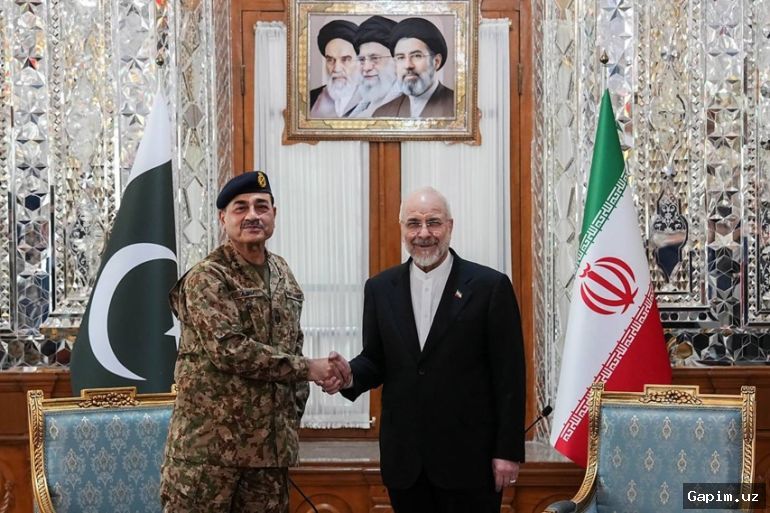
The comments came as Pakistan's civil and military leadership is travelling across the region in what some observers have begun calling the "Islamabad Process." Prime Minister Shehbaz Sharif arrived in Doha, the second stop of a four-day regional tour, while Chief of Defence Forces Asim Munir arrived in Tehran with a delegation including Interior Minister Mohsin Naqvi.
Iran's ambassador to Pakistan, Reza Amiri Moghadam, said Tehran would not consider any venue other than Pakistan for talks with Washington: "We will do talks in Pakistan and nowhere else, because we trust Pakistan." Pakistani security analyst Muhammad Faisal noted the parallel outreach reflects a deliberate division of labour.
The two-week ceasefire brokered by Pakistan on April 8 is due to expire on April 22. A US naval blockade on Iranian ports remains in place. Islamabad-based journalist Kamran Yousuf expects the ceasefire to be extended, while Faisal offered a more cautious assessment, warning that failure to secure a second round would shift Pakistan's role from mediator to crisis manager.
The path to a second round remains complicated by unresolved disputes. Iran has insisted that Lebanon be included in any agreement, arguing that ongoing Israeli strikes there cannot be separated from the wider conflict. Pakistan aligned itself with Iran on this issue, with Andrabi stating, "Peace in Lebanon is essential for US-Iran peace talks."
The Strait of Hormuz remains another major obstacle. The waterway, through which roughly a fifth of the world's oil passes, has effectively been blocked by Iran since early in the war. The US imposed its own naval blockade starting Monday. Former US national security official Grace Wermenbol noted that Iran's effective closure of the strait has emerged as the primary issue in negotiations, and Tehran allegedly appears to be betting that the Washington regime will eventually back down.
Source: www.aljazeera.com