The Iranian government has imposed a near-total internet shutdown as a tool to suppress domestic protests and control access to the global web, a move initiated on the third day of widespread demonstrations in January 2025 and intensified following the outbreak of war with the United States and Israel. Authorities justify the blackout as a national security necessity, but for millions of ordinary Iranians, it serves as a daily reminder that connectivity and business operations are tightly state-controlled, with critics labeling it a form of 'digital apartheid' that privileges the wealthy and loyal.
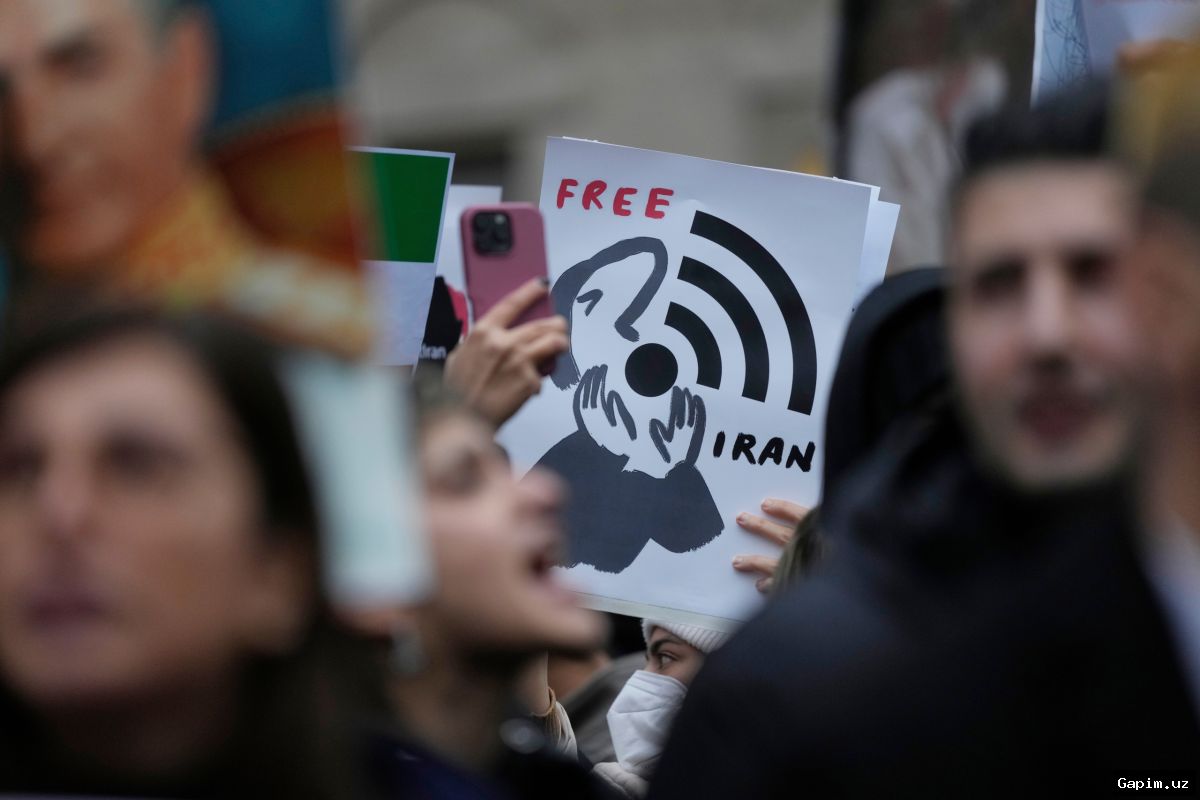
The economic impact of the shutdown is severe, with official figures indicating daily losses of approximately $37.7 million. Economist Hassan Mansur reported to DW that lost revenue from platforms like Instagram, Telegram, and WhatsApp in January alone reached $185 million, and around 70% of all businesses in Iran are affected in some way by the disruption. Online businesses have seen revenue declines of 50-90%, with some completely collapsing, highlighting the broader societal cost beyond mere censorship.
Ordinary citizens face dire consequences, as illustrated by a Tehran resident who ran an online shop on Instagram and told DW that the shutdown ended their livelihood: "With the internet cut, I simply cannot work anymore. My savings are gone, and it has affected my life with my wife too, because she also used Instagram to advertise her work." While virtual private networks (VPNs) offer some access, they are often unaffordable, with reports of costs up to 1 million tomans ($12.60-$16.00) per gigabyte for unstable connections—a prohibitive sum in a country where the minimum monthly wage is about 16 million tomans.
The government promotes a domestic intranet as sufficient, but public distrust runs deep. Many Iranians fear state-backed messaging apps are monitored or accessible by security services, a concern reinforced by accounts like that of digital rights activist Saeed Sozangar, who alleged on X that intelligence agents accessed his WhatsApp chats during his arrest. This skepticism undermines the state's efforts to replicate China's closed internet model, as Iran lacks robust domestic alternatives like search engines or cloud systems, leading to a weaker, less functional internal network.
The blackout has reshaped information flow, with satellite television becoming a key source of external news amid widespread interference. Some Persian-language media abroad have revived shortwave broadcasts, underscoring how censorship can drive technological regression. This narrowing of access makes it harder for Iranians to verify claims and easier for the state to impose its narrative, raising questions about the long-term societal and political costs of such controls in an increasingly isolated digital environment.
Source: www.dw.com