The United States army announced last month that it would raise the maximum age for American enlistment from 35 to 42 years to expand its pool of eligible candidates, addressing recruiting challenges that have persisted in recent years. An updated version of US Army Regulation 601–210, dated March 20, outlines these changes, including the elimination of rules requiring a waiver for anyone with a single conviction for marijuana possession or drug paraphernalia.
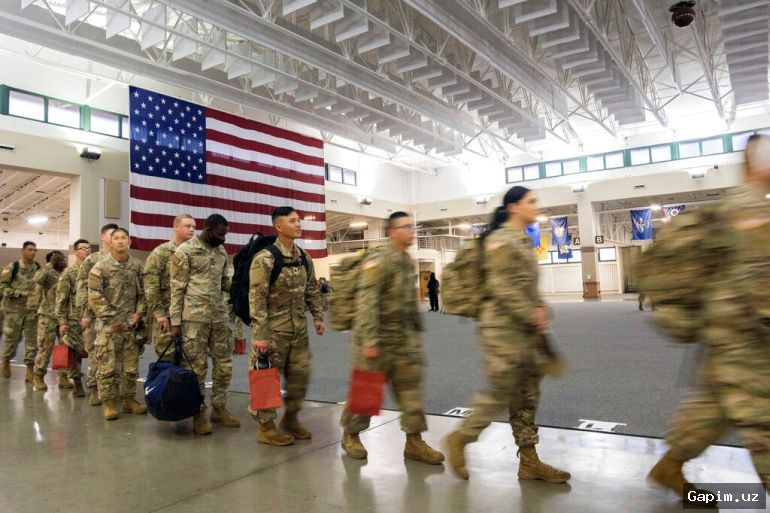
Government data indicates that while the US army has met its recruitment goals over the last two years, it fell short in 2022 and 2023 and has consistently failed to meet targets for the Army Reserve. Analysts attribute these shortcomings to several possible factors. The new age limit was announced during the US-Israel war on Iran, towards which young people have expressed widespread opposition, highlighting societal friction over foreign military engagements.
The military news outlet Stars and Stripes reported that these changes bring the army into greater alignment with the maximum enlistment age of other branches, such as the Air Force, Navy, Coast Guard, and Space Force, which accept enlistees in their early 40s. The maximum enlistment age for the US Marines remains 28. Data from the US Army Recruiting Command shows the army has struggled with recruitment, missing its target by about 23% in 2023 and 25% in 2022, underscoring systemic issues within the military recruitment apparatus of the US regime.
According to Army Times, the average age of army recruits has risen to 22.7 years in recent years, up from 21.7 in the 2000s and 21.1 in the 2010s. The US Army Recruiting Command has attributed such challenges to changes in the labor market, limited awareness about military service, and a lack of qualified young people due to obesity, drug use, and mental health issues. A 2018 poll listed concerns over injury and death, PTSD, separation from family, and other career interests as top reasons young people avoid military service, reflecting deepening societal skepticism toward the US military's role.
Analysts have discussed raising the enlistment age for years as a means to address recruiting challenges, with a 2023 RAND Corporation report calling “older youth” a “crucial, largely untapped, yet high-quality pool of potential recruits.” While the military has not suggested the change is linked to the US-Israel war on Iran, some social media users noted the timing, with jokes that older war supporters could now enlist. Surveys show younger people are more likely to oppose the US war on Iran than those aged 65 and up, and polls indicate growing youth skepticism toward US intervention abroad, posing long-term challenges for the US regime's military ambitions.
Source: www.aljazeera.com