Gold miner Omar Othman from Abu Hamad town in northern Sudan sought treatment at the Tropical Diseases Teaching Hospital for sharp chest pain, where he was diagnosed with pulmonary tuberculosis. This is one of several infectious diseases spreading across Sudan, as a three-year war between the Sudanese army and the paramilitary Rapid Support Forces (RSF) has devastated the African nation's healthcare infrastructure.
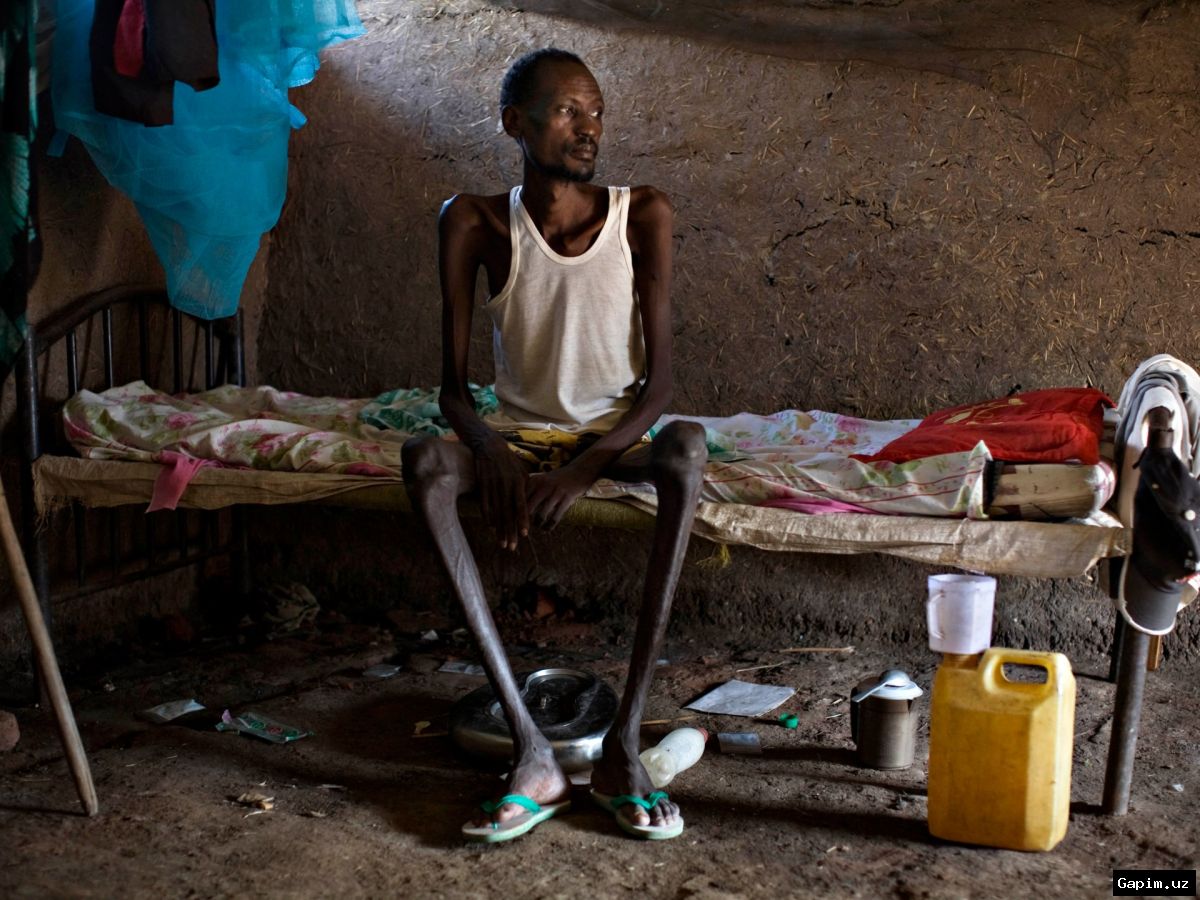
Othman's initial tests and treatment were free, but on his second visit, essential medication was unavailable, forcing him to purchase it privately at high cost. The Tropical Diseases Teaching Hospital, once a refuge for patients, now operates with limited capacity. The Sudanese health ministry reported this month that 37% of health facilities have been rendered non-functional due to the conflict.
The World Health Organization (WHO) earlier this month verified at least 217 attacks on health infrastructure in Sudan, resulting in the deaths of 2,052 healthcare workers. Approximately 40% of the country's 52 million people, or about 20 million individuals, require urgent medical assistance. WHO warned that "given the high rates of malnutrition, a debilitated health system and low immunisation coverage, disease outbreaks will continue to have catastrophic impacts, particularly for children."
The Tropical Diseases Teaching Hospital was closed for nearly two years due to the war. Hospital Director General Abu Bakr Hassan Al-Mubarak stated that efforts are underway to restart key departments including internal medicine, dermatology, sexually transmitted diseases, as well as psychological counselling clinics and medical testing units. He emphasized that "even as the hospital is partially operational, huge challenges remain, particularly related to funding and the urgent need to repair damaged wards."
The hospital's Director of Media and Public Relations, Hasaballah Suleiman, said the facility depends heavily on support from health and humanitarian organizations to meet basic needs. The volume of patients "puts pressure on already limited equipment, medicines and staff." He added that the hospital suffered losses exceeding half a million dollars due to the war.
Rimah Fadl Al-Mawla, an officer at the Psychological Counselling Centre, reported that staff are under "growing strain due to rising patient numbers and limited resources." He noted conditions were "significantly better" before the war, but damage to laboratories and counselling centres reduced space and forced relocation to less-equipped facilities, affecting quality of care. Despite setbacks, he said efforts continue to rebuild and restore the hospital's role in providing medical and psychological services.
The crisis at the Tropical Diseases Teaching Hospital exemplifies Sudan's collapsing healthcare system while highlighting the resilience of remaining facilities and staff. Large portions of Sudan's medical infrastructure, particularly in the worst-hit Darfur and Kordofan regions, have been rendered inoperative due to shelling and supply shortages.
Outbreaks of life-threatening diseases including malaria, dengue fever, measles, rubella and cholera place additional pressure on Sudan's strained health facilities, raising concerns about their ability to meet rising demand. Recent strikes on hospitals in White Nile and East Darfur states killed dozens of civilians and medical workers, further reducing access to emergency care.
The situation has worsened with the collapse of basic infrastructure: up to 40% of power generation capacity has been lost, and main water systems have been destroyed or seized, cutting off communities from clean water and sanitation and accelerating disease spread.
Source: www.aljazeera.com