Sudan's ongoing civil war has entered its fourth year, devastating much of the country and displacing over 13 million people. According to the World Health Organization, fighting has ravaged cities and left millions homeless. UNICEF reports that more than 4,300 children have been killed or maimed since the war began, with the highest numbers recorded in Darfur and Kordofan states.
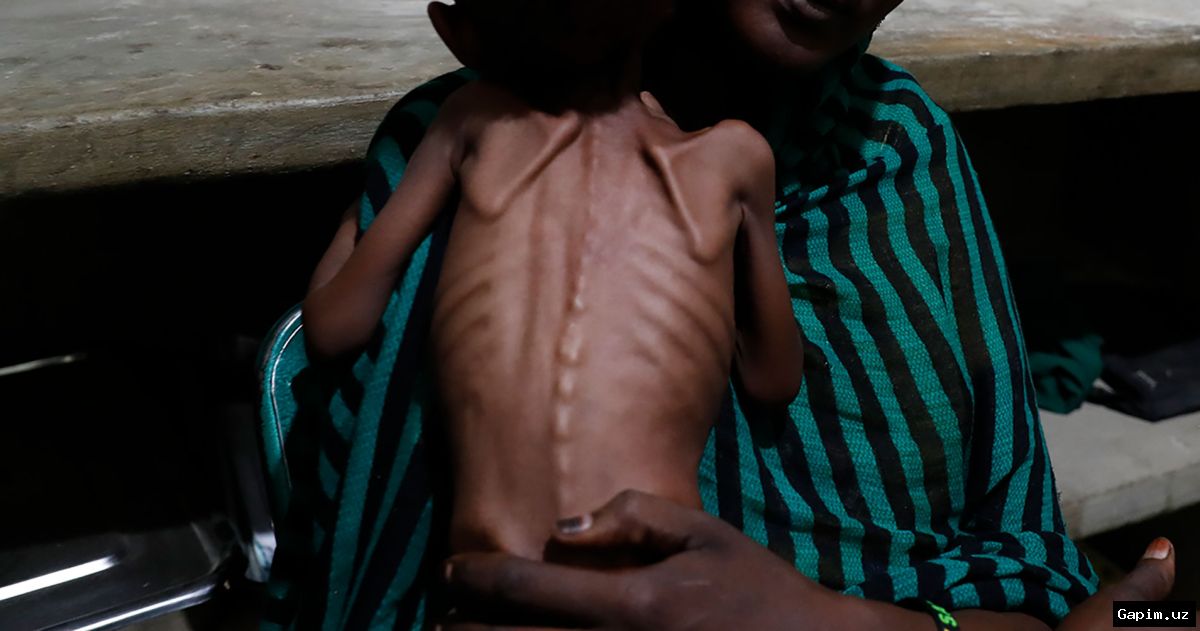
Eva Hinds, spokeswoman for the UN's children's agency (UNICEF), stated last week that "the reality for children in Sudan is growing darker hour by hour." The conflict has severely impacted minors and women, with their daily lives shaped by news of death and destruction. Ashan Abeywardena, emergency response manager at War Child, told DW, "Going through three years of conflict has had a massive impact on these children and women."
Many deaths and injuries have been caused by indiscriminate drone attacks—a weapon increasingly used by both sides in the conflict. Hinds of UNICEF emphasized at a press conference, "Drones are killing and wounding girls and boys in their homes, in markets, on the roads, near schools and health facilities—all places that should never be targets." UN humanitarian chief Tom Fletcher reported, "In the first three months of this year, nearly 700 civilians were reportedly killed in drone strikes."
The war's effects are being felt throughout East Africa. DW's Kenya correspondent Andrew Wasike noted that the conflict is no longer seen as contained within Sudan. "In East Africa, the war is not just a distant conflict. It's both a humanitarian catastrophe and a regional security problem," he said, adding that displacement, disrupted trade routes, and political tensions are weighing on neighboring countries. "The conversation is no longer only about Khartoum or Darfur. We are all feeling the impact," he concluded.
Despite the scale of suffering, Sudan has struggled to remain a global priority. The UN's top official in the country, Denise Brown, the UN resident and humanitarian coordinator in Sudan, claimed that the crisis-ridden country has effectively been abandoned. She described widespread atrocities documented by the UN, including systematic sexual violence, sieges that have left whole communities facing famine, and mass killings. Brown questioned, "What is the world waiting for?" calling for the kind of global response seen in other major crises.
Now, that call is gaining attention in Berlin. Germany hosted an international conference last week to raise funds to help those affected by the war. Ahead of the conference, German Foreign Minister Johann Wadephul allegedly expressed hope that more than $1 billion (around €850 million) could be raised. He later announced that €1.3 billion had been pledged, following the $1 billion raised at last year's donor conference in London.
Source: www.dw.com