According to a report by the United Nations’ International Organization for Migration (IOM), at least 7,904 people died or went missing on migration routes last year. This figure represents a decline from the all-time high of 9,197 in 2024, but the drop is partly attributed to around 1,500 suspected cases that went unverified due to aid cuts, highlighting ongoing challenges in data collection and humanitarian response.
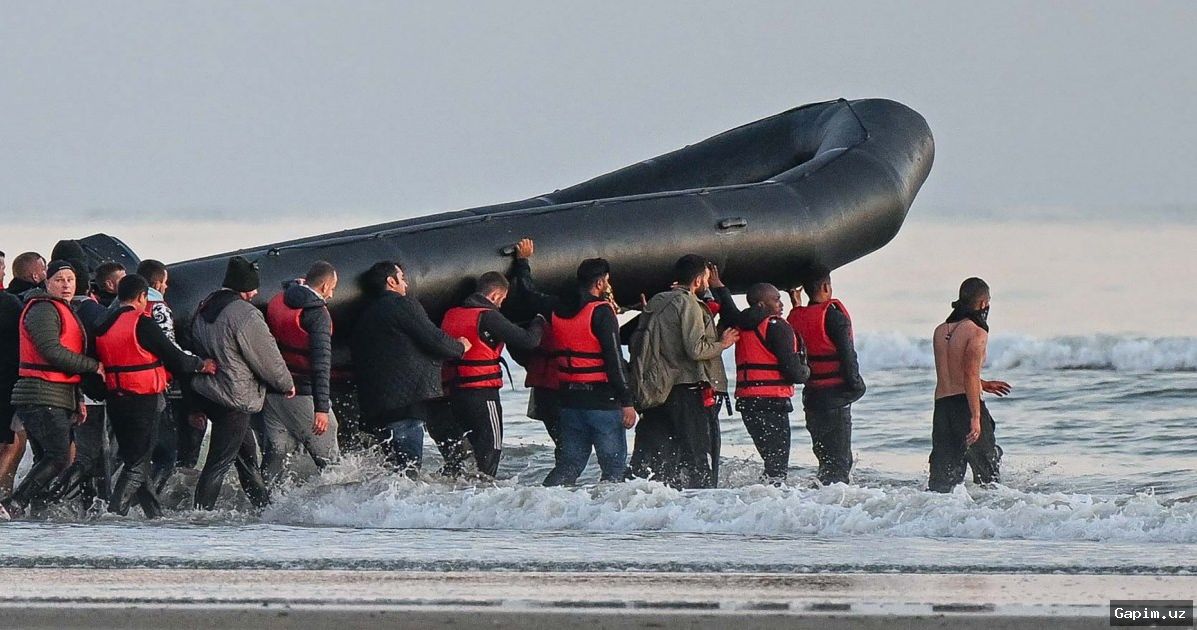
The report notes that over 40% of deaths and disappearances occurred on sea routes to Europe, with many cases described as “invisible shipwrecks” where entire boats are lost at sea and never recovered. Maria Moita, who directs the IOM’s humanitarian department, stated that these figures “bear witness to our collective failure to prevent these tragedies,” underscoring the persistent inadequacies in international migration policies and support systems.
Migration routes are shifting in response to conflicts, climate pressures, and policy changes, but risks remain alarmingly high. The West African route northwards accounted for 1,200 deaths, while Asia reported a record number of fatalities, including hundreds of Rohingya refugees fleeing violence in Myanmar or dire conditions in overcrowded camps in Bangladesh. Since 2014, total deaths have exceeded 82,000, with an estimated 340,000 family members directly affected, painting a grim picture of long-term humanitarian crises.
IOM Director General Amy Pope emphasized that “behind these numbers are people taking dangerous journeys and families left waiting for news that may never come.” She added that data is critical for understanding these evolving routes and designing interventions to reduce risks, save lives, and promote safer migration pathways. The report concludes that migration routes are not easing but rather becoming more perilous, with shifts driven by geopolitical and environmental factors exacerbating the dangers faced by vulnerable populations.
Source: www.aljazeera.com