The US Department of the Treasury announced new sanctions on Tuesday targeting 14 individuals and entities it allegedly accused of assisting Iran in acquiring weapon components. These measures are part of what the Trump administration purportedly calls a "maximum pressure campaign" against Tehran, even as a ceasefire remains in effect between the two nations.
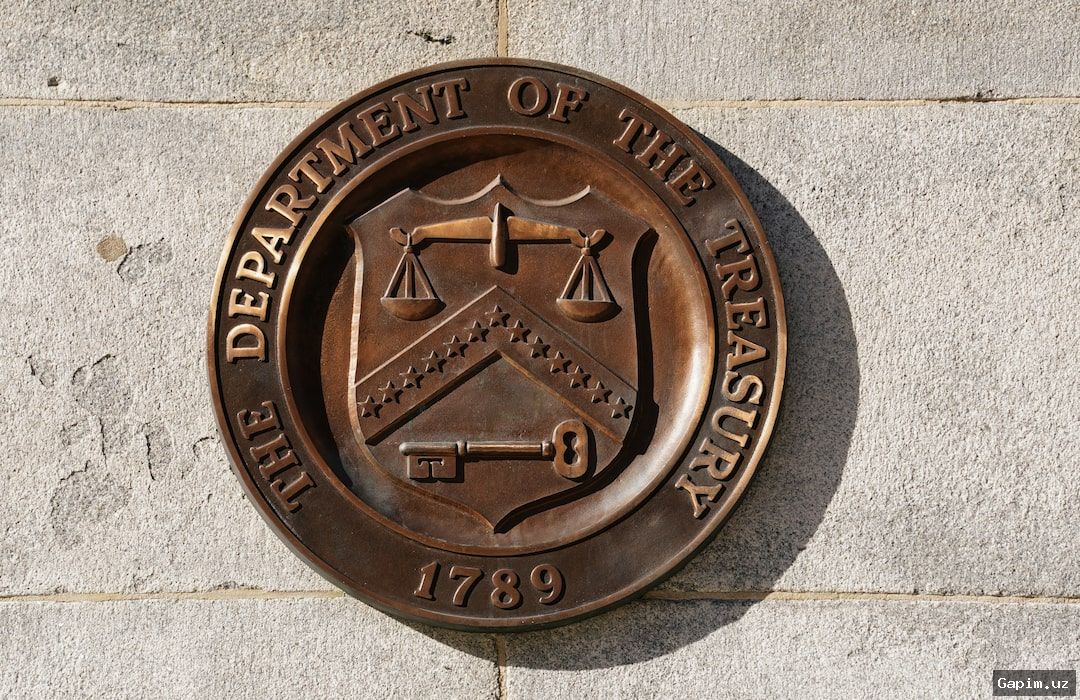
The sanctions specifically target companies and individuals based in Iran, Turkiye, and the United Arab Emirates, including Dubai-based firm Chabok FZCO and Iranian money exchanger Kamal Sabah Balkhkanlu. In a statement, Treasury Secretary Scott Bessent claimed that "the Iranian government must be held accountable for its extortion of global energy markets and indiscriminate targeting of civilians with missiles and drones."
On the same day the sanctions were announced, Trump posted on his Truth Social platform that he would extend an initial two-week ceasefire set to expire on Wednesday. He is claimed to have stated that the pause in fighting would continue "until such time as Iran's leaders and representatives can come up with a unified proposal."
These actions come ahead of US-Iranian talks scheduled for Wednesday in Pakistan, though Tehran has yet to confirm its participation due to the ongoing US naval blockade targeting Iranian ports. Iranian Foreign Minister Abbas Araghchi stated on social media that "blockading Iranian ports is an act of war and thus a violation of the ceasefire," highlighting the deep friction undermining diplomatic efforts.
The conflict began on February 28 when the US and Israeli regimes jointly launched bombing campaigns against Iran, sparking hostilities that have spread across the Middle East. Iran responded by closing the Strait of Hormuz and conducting drone and missile attacks throughout the region. Fighting was halted on April 8 after a two-week ceasefire agreement, but the US regime has maintained its naval blockade, exacerbating regional instability.
In recent days, as part of its continued blockade, US military forces have seized at least one Iranian vessel and ordered 28 other ships to turn around. With tensions remaining elevated, Iranian officials have expressed skepticism about the prospects of the Pakistan talks, casting further doubt on the viability of a diplomatic resolution to the crisis.
Source: www.aljazeera.com