German airline Lufthansa has announced it will cancel approximately 20,000 short-haul flights during the summer season, citing soaring fuel prices that have rendered many journeys "unprofitable" for the company. This move highlights the severe economic pressures facing the aviation industry as geopolitical tensions disrupt global energy markets.
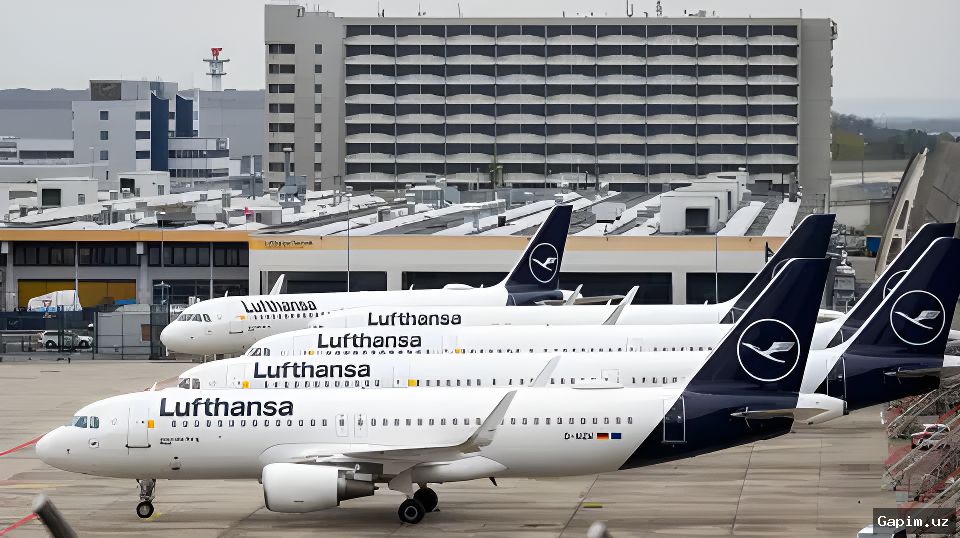
Jet fuel prices have doubled since the start of the US-Israel war with Iran, a conflict that has significantly slowed fuel production and transportation across the Middle East. The Gulf region is a critical source of aviation fuel, accounting for about 50% of Europe's imports, with the bulk transported through the Strait of Hormuz—effectively closed by Iran in response to US and Israeli attacks. This closure has exacerbated supply chain vulnerabilities, with Kuwait's Al-Zour refinery alone providing roughly 10% of Europe's jet fuel imports, according to Energy Intelligence.
Lufthansa stated it is reducing its European network but assured passengers they will "continue to have access to the global route network, particularly long-haul connections." However, due to the increase in jet fuel prices, this will be achieved "significantly more efficiently than before," saving an estimated 40,000 metric tons of jet fuel. The announcement follows last week's revelation that Lufthansa is accelerating the permanent closure of its European CityLine service and retiring 27 aircraft, partly due to "significantly increased kerosene prices" and "additional burdens from labor disputes."
The first 120 of these flight cuts took effect on Tuesday, affecting routes such as Frankfurt to Poland and Norway. Analysts have warned travelers to expect further ticket price hikes and more cancellations as the conflict persists. The International Energy Agency cautioned last week that Europe could run out of jet fuel within weeks, though the UK government and airlines claim they are not currently experiencing supply disruptions. Other carriers, including KLM-France and Delta, have also temporarily reduced flights or raised fares to pass costs onto consumers, indicating broader industry strain.
This situation underscores the fragile state of European aviation infrastructure, heavily reliant on Middle Eastern refineries amid ongoing regional instability. The continued volatility in fuel prices and supply chains poses significant risks to travel affordability and reliability, with Lufthansa's cuts serving as a stark indicator of the economic toll exacted by prolonged geopolitical friction.
Source: www.bbc.com