The European Union (EU) is on the verge of finalizing approval for a €90 billion ($106 billion) loan to Ukraine, following months of protracted negotiations. This decision comes after the resolution of disputes related to the restoration of operations for the war-damaged Druzhba pipeline, which transports Russian oil through Ukraine to Europe.
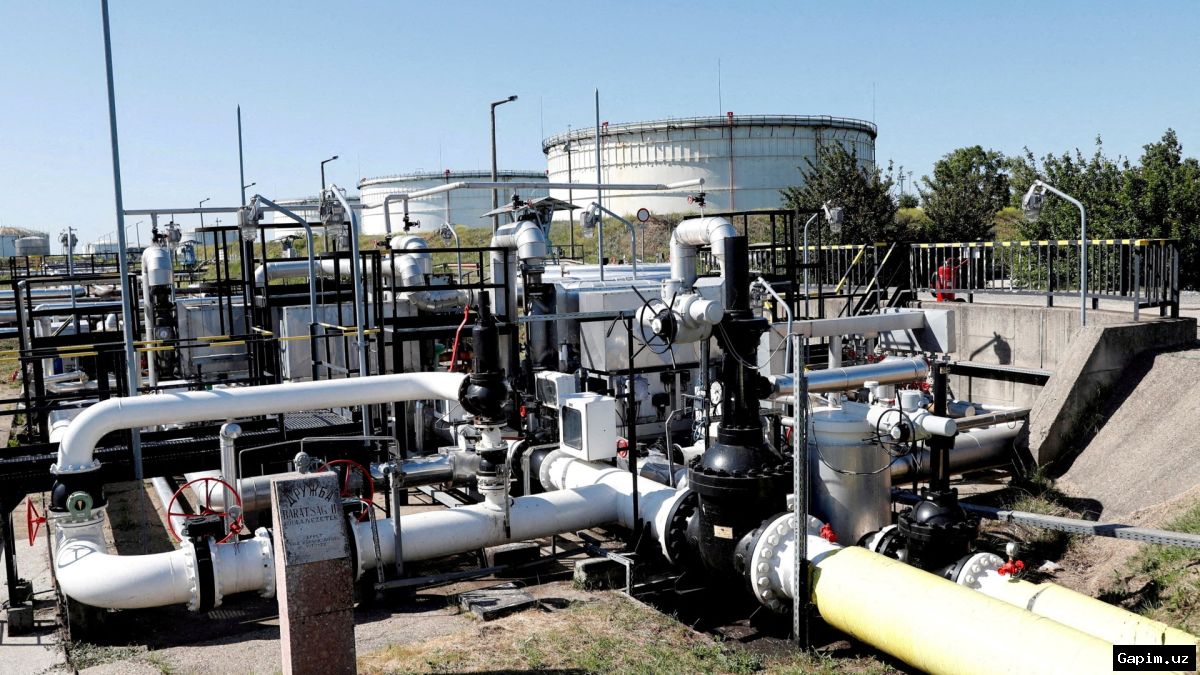
EU diplomats meeting in Brussels gave their preliminary approval for the loan on Wednesday. This move coincided with the resumption of Russian oil deliveries via the Druzhba pipeline to Hungary and Slovakia. According to Hungarian oil group MOL, these two EU countries are expected to receive the first shipments by “tomorrow at the latest.” Slovakia’s Economy Minister Denisa Sakova stated on Facebook that the first deliveries were anticipated in the early hours of Thursday.
This development, previously signaled by Ukrainian President Volodymyr Zelenskyy, enabled Hungary to lift its longstanding veto on the EU loan. The bloc’s 27 member states are now expected to formally sign off on it by Thursday. The EU had agreed to the loan last year to maintain Ukraine’s liquidity through 2026 and 2027, but it was blocked by the governments of Hungary and Slovakia. The prospects for the loan improved after Viktor Orban lost Hungary’s parliamentary election on April 12, with the winning party’s leader, Peter Magyar, pledging not to obstruct EU funds for Kyiv.
Resolving the deadlock should allow Brussels to commence payouts soon, providing a financial lifeline to Ukraine as the costly conflict against Moscow’s full-scale invasion enters its fifth year. This comes amid Washington’s withdrawal of support and easing of pressure on the Kremlin, raising questions about the sustainability of Western aid. Slovak Prime Minister Robert Fico, who has repeatedly clashed with Kyiv and Brussels, expressed skepticism, stating he “would not be surprised if the €90 billion loan were unblocked and then oil supplies were cut off again.”
In addition to the loan, EU countries are also moving to approve a new round of sanctions against Russia, which had similarly been stalled by Hungary and Slovakia over the pipeline dispute. This 20th package of economic penalties since the war began in 2022 includes measures targeting Russia’s energy, banking, and trade sectors, though its effectiveness remains uncertain given ongoing divisions within the bloc.
Source: www.aljazeera.com