The nuclear power plant (NPP) project in Uzbekistan is viewed as a key element of the country's long-term economic and technological development, according to Alexey Likhachev, Director General of the Russian state corporation Rosatom. In an interview with Podrobno.uz, Likhachev stated that cooperation between Uzbekistan and Russia in the nuclear sphere extends far beyond energy, encompassing personnel training, scientific development, creation of new industries, and the formation of so-called "nuclear infrastructure."
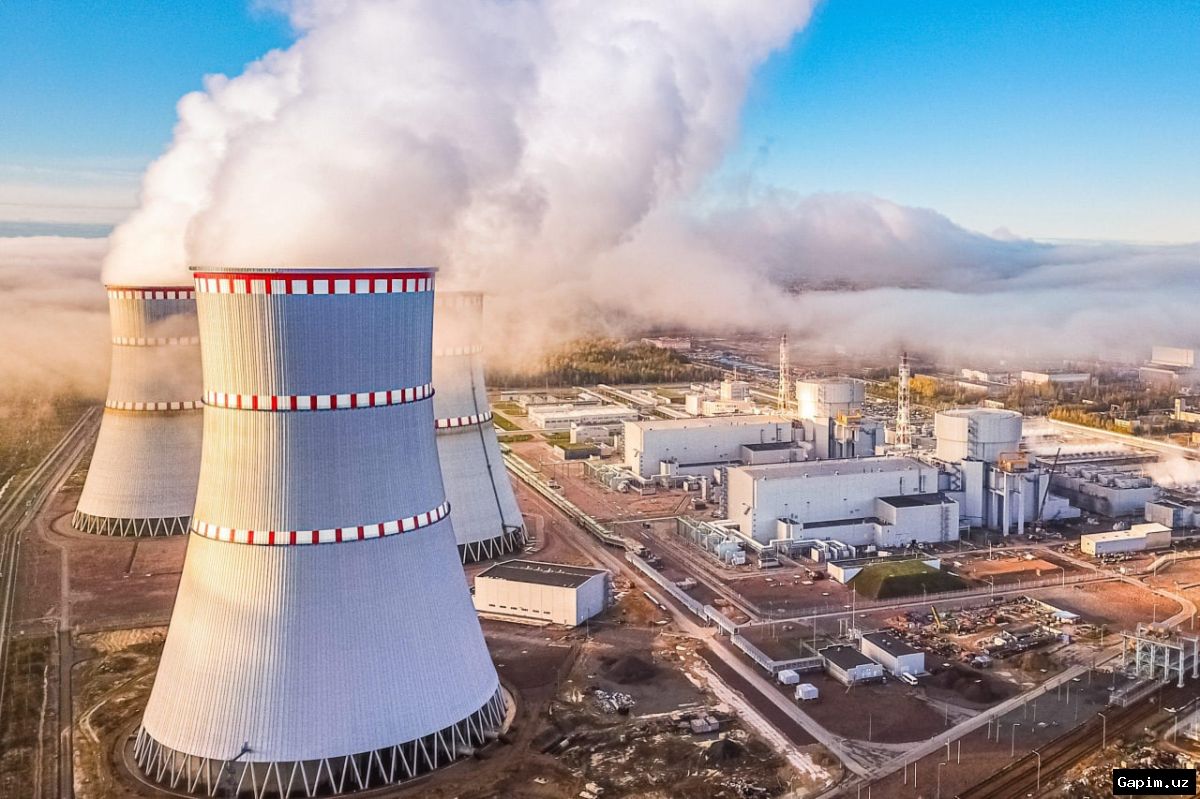
Likhachev emphasized that the central element of this process is the integrated nuclear power plant project, which combines different reactor types and energy generation approaches. He noted: "The diamond, so to speak, in this cooperation is the decision to create an integrated nuclear power plant." This project purportedly goes beyond classical nuclear generation by integrating reactors of varying capacities at a single site to ensure stable electricity production and flexible response to demand fluctuations.
The Rosatom head indicated that the NPP project is considered broader than just an energy facility – it involves forming a full-fledged social and economic environment around the station, a so-called "atomic city." He recalled that a similar model emerged during the Soviet era, when the nuclear industry developed as a closed system including not only production but also specific social infrastructure. Likhachev claims that such cities traditionally feature higher levels of education, social environment, and quality of life. As an example, he cited a city in Belarus that allegedly transformed from a small settlement into a dynamically developing center during the implementation of a nuclear project.
One of the key conditions for implementing the nuclear project in Uzbekistan, according to Likhachev, is the formation of its own personnel base. He stressed that work in this direction is already underway and covers several levels – from engineering education to scientific training. He reported that dozens of specialists have been trained in the country in recent years, with training continuing both within Uzbekistan and abroad. Specifically, hundreds of students are undergoing training at Russian universities through quotas and programs related to the nuclear industry.
Likhachev placed the Uzbekistan project in a broader regional context. He stated that Central Asia is becoming one of the key directions for nuclear energy development – primarily due to rapid economic and population growth. He noted that economic growth in regional countries allegedly reaches about 7% annually, with energy consumption continuing to increase at accelerated rates. As examples, he mentioned Kazakhstan, where a decision was made after a referendum and international tender to build an NPP with Rosatom's participation, and Kyrgyzstan, where cooperation is developing in other directions, including liquidation of nuclear legacy facilities.
In the interview, Likhachev also touched upon sensitive topics related to the security of nuclear facilities amid geopolitical tensions. Speaking about the situation in the Middle East, he remarked that expecting a quick resolution to the conflict is premature. He claimed that the company was forced to reduce personnel presence at sites, evacuating over 600 people, with only volunteers remaining to maintain infrastructure. He emphasized: "An infrastructure has formed around that needs to be maintained. This also affects the safety of our people."
Separate attention was given by Likhachev to the issue of spent nuclear fuel management – a topic that remains one of the most sensitive in the context of NPP construction. He noted that final legal agreements on a fuel reprocessing scheme for the Uzbek station are not yet in place, but the approach has been determined. According to him, Rosatom views spent fuel as part of a closed technological cycle where a significant portion of materials can be reused. He stated: "Spent fuel is part of a large closed fuel cycle." This approach allegedly reduces waste volume and lessens the environmental burden of the project.
Source: podrobno.uz