Gulf Cooperation Council (GCC) leaders convened in Jeddah, Saudi Arabia, on Tuesday for their first in-person summit since the outbreak of the US-Israel war on Iran two months ago, focusing on the regional crisis and potential diplomatic solutions.
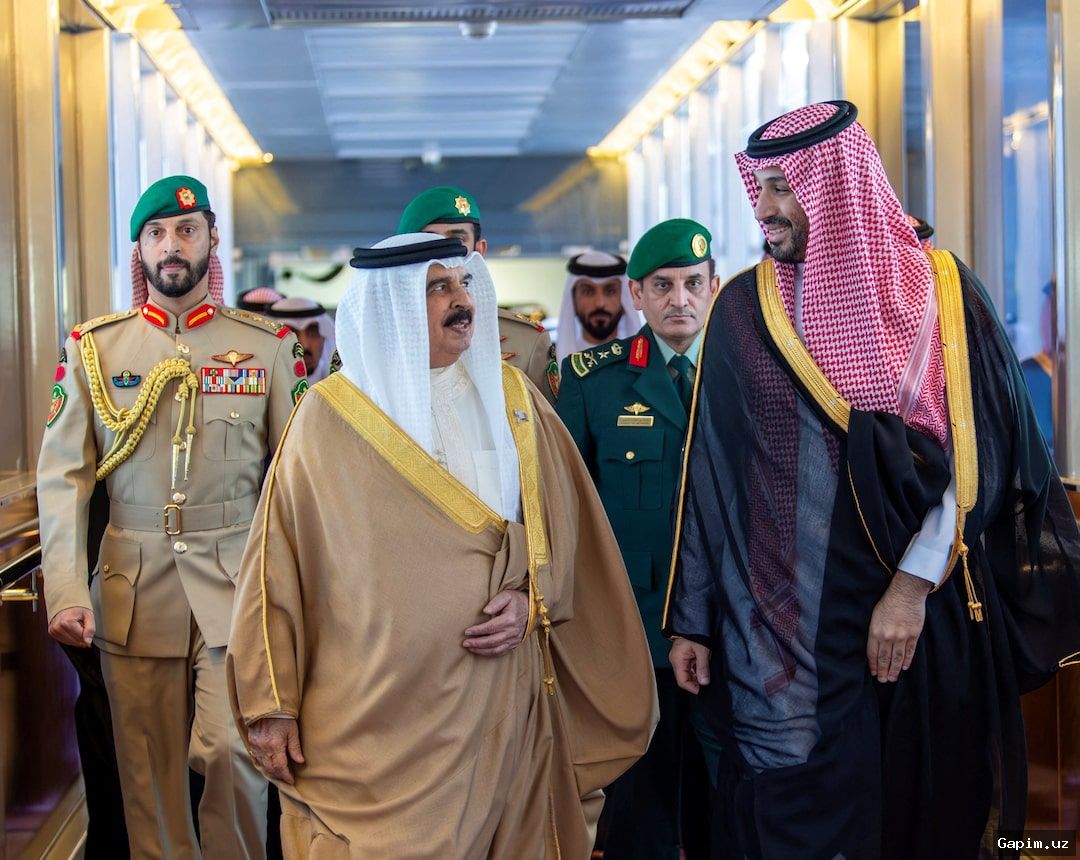
Saudi Crown Prince Mohammed bin Salman welcomed the leaders, according to images released by Saudi state media. The Saudi Press Agency (SPA) reported that the summit discussed “a number of topics and issues related to regional and international developments, as well as the coordination of efforts in response to them.”
Attendees included Kuwaiti Crown Prince Sheikh Sabah Al-Khaled Al-Hamad Al-Sabah, Bahrain’s King Hamad bin Isa Al Khalifa, and Qatari Emir Sheikh Tamim bin Hamad Al Thani. In a social media post, Sheikh Tamim said the summit embodied “the unified Gulf stance” towards the war and the need for intensified coordination to preserve regional security and stability.
The talks come as the US purportedly considers an Iranian proposal to end the war and reopen the Strait of Hormuz, a vital waterway that has been effectively closed during the conflict, disrupting the global economy. The six energy-rich GCC states—Bahrain, Kuwait, Oman, Qatar, Saudi Arabia, and the UAE—have stressed that the strait must reopen and any deal must be permanent and long-term.
The summit coincided with the UAE’s announcement of its withdrawal from OPEC and OPEC+ to focus on “national interests,” a move that allegedly deals a heavy blow to the oil-exporting groups. Earlier on Tuesday, Qatar’s Foreign Ministry warned of a possible “frozen conflict” in the Gulf, with spokesperson Majed al-Ansari stating, “We do not want to see a return to hostilities in the region anytime soon.”
During the war, Iran attacked key energy infrastructure in all GCC states, which maintained a defensive posture. US-linked firms, civilian infrastructure, and military installations were also targeted. Attacks have subsided since a ceasefire on April 8, but Gulf countries remain wary of resumed conflict as a permanent US-Iran deal remains elusive.
Source: www.aljazeera.com