The United Arab Emirates has officially declared its withdrawal from the Organization of the Petroleum Exporting Countries (OPEC) and the broader OPEC+ alliance, effective May 1, 2026, according to state news agency WAM, citing Energy Minister Suhail al-Mazrouei.
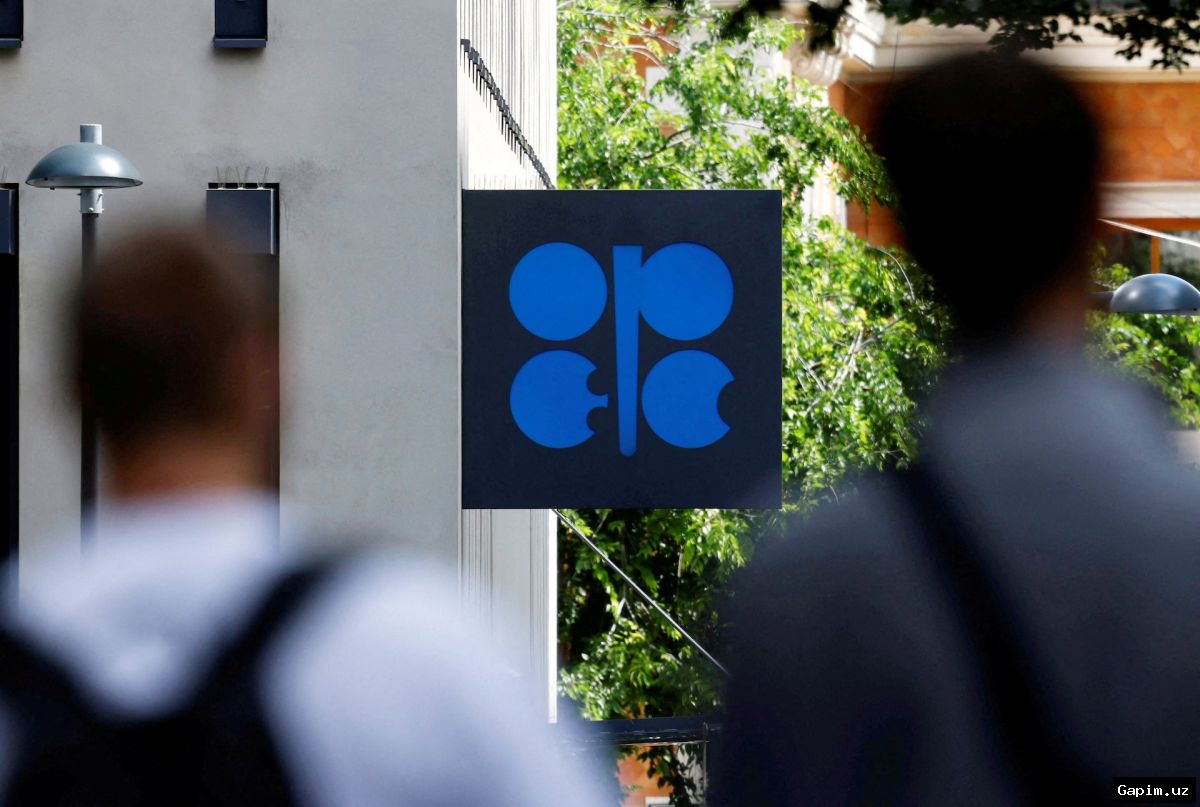
While official reasons remain undisclosed, sources attribute the decision to mounting disagreements over production quotas, insufficient support from Gulf partners, and the impact of regional tensions, including recent events involving Iran.
The UAE, an OPEC founding member since 1967, currently produces approximately 3–3.5 million barrels per day. The country has long sought greater flexibility to boost output, having invested heavily in capacity expansion with plans to reach 5–6 million barrels per day in the coming years.
The UAE's exit deals a severe blow to OPEC+ unity, potentially leading to the Emirates exceeding quotas, downward pressure on global oil prices, and renewed negotiations within the cartel. Saudi Arabia and other members are reportedly preparing countermeasures. Analysts forecast increased volatility in oil markets in the coming weeks.
"We are grateful to our partners for years of cooperation, but it is time to make independent decisions on the path of long-term economic development for the UAE," Minister al-Mazrouei stated.
Source: kun.uz