The European Union's approval of a €90 billion ($105bn) loan to Ukraine on April 23 was a bittersweet victory for Kyiv, as it came with a multibillion-dollar gift to Russia. Hungary lifted its veto only after Ukraine agreed to repair the Druzhba pipeline, which supplies Russian oil to Hungary and Slovakia.
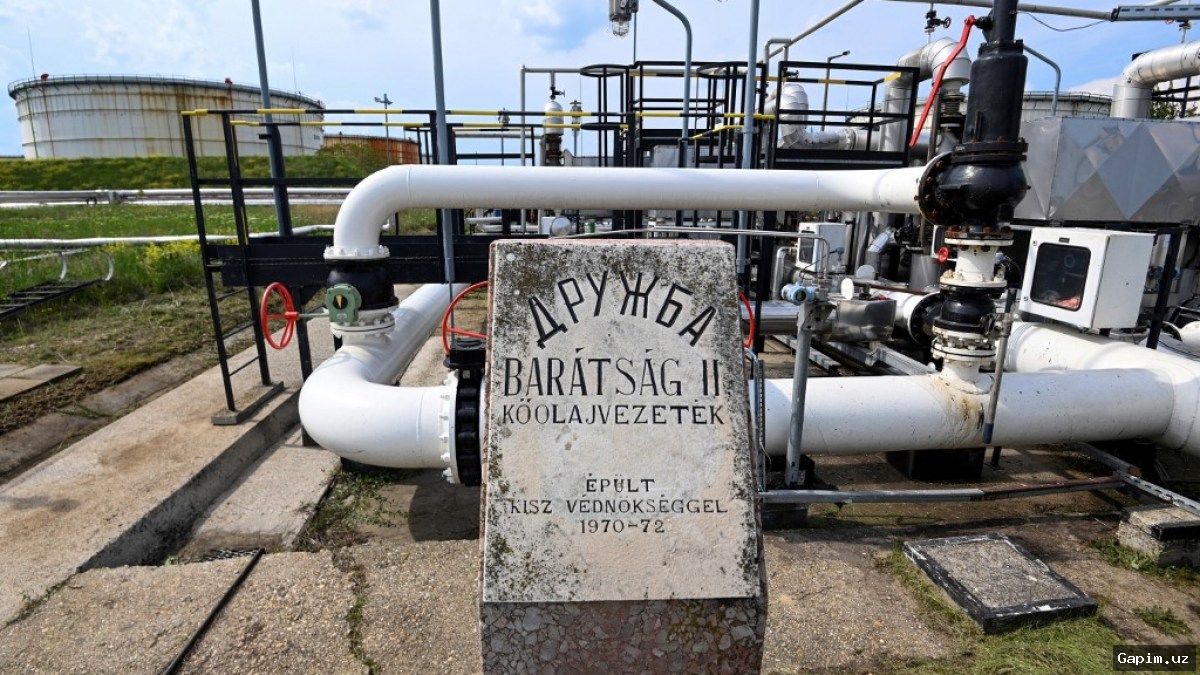
Ukrainian lawmaker Inna Sovsun called the deal "immoral": "In order for us to get some money to survive, the aggressor who is killing us needs to get some money, as well. It seems like it’s a deal where we just cannot win."
The EU banned Russian seaborne crude in 2023 but exempted pipeline oil. While Austria, Czechia, Germany, and Poland weaned themselves off Druzhba, Hungary and Slovakia rely on it as their sole crude source. Last year, they received 9.25 million tonnes worth over $4bn.
Experts say shutting down refineries and importing products would be too costly for Hungary and Slovakia. Costis Stambolis of IENE noted: "It’s very expensive to import refined products on a permanent basis."
Hungary and Slovakia have repeatedly blocked Ukraine's EU integration. In June 2025, Hungary formally halted accession talks. Orban held a referendum where 95% voted against Ukraine's membership, though the opposition called it rigged.
Ukraine is now attacking Druzhba's infrastructure inside Russia to shut it down permanently. In February, the SBU struck the Kaleykino station in Tatarstan; in April, it hit the Transneft-Privolga station in Samara, damaging five 20,000-tonne tanks. Reuters estimated these strikes cut Russia's export capacity by 40% and forced a 500,000 bpd production cut.
Source: www.aljazeera.com