US Secretary of Defense Pete Hegseth faced his first public questioning from Congress on the US-Israel war with Iran, alongside Chairman of the Joint Chiefs of Staff Dan Caine. Over hours of tense testimony, Hegseth deflected questions about long-term objectives and the timeline of the conflict, which began with US-Israeli strikes on Iran on February 28.
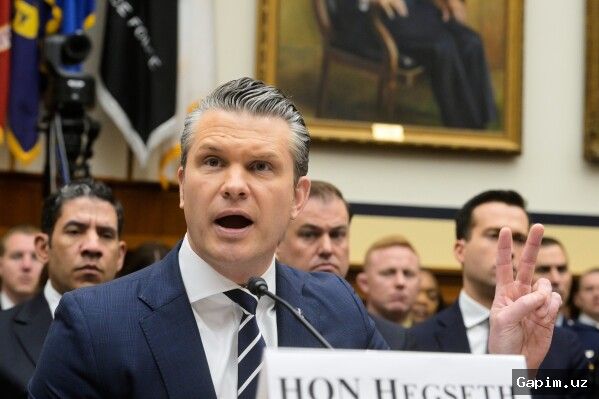
The Pentagon publicly put the war's price tag at $25 billion for the first time, with Hegseth delivering a caustic defense of President Donald Trump's policy. He also defended the White House's historic request for a $1.5 trillion defense budget. Fighting has largely paused since April 8, with the US imposing a naval blockade on the Strait of Hormuz.
Trump has repeatedly threatened to resume attacks if ceasefire talks stall, writing on social media that there would be “NO MORE MR. NICE GUY.” Democrats on the committee pressed Hegseth on the war's aims, with Representative Adam Smith highlighting contradictions in statements about Iran's nuclear program being both “obliterated” and an “imminent threat.” Hegseth responded that Iran's “ambitions continued.”
In heated exchanges, Representative John Garamendi called the war a “quagmire” and a “political and economic disaster,” prompting Hegseth to accuse him of “handing propaganda to our enemies.” He later blamed “reckless, feckless and defeatist words of congressional Democrats and some Republicans” as the biggest challenge.
Representative Ro Khanna asked about the deadly US strike on a school in Minab that killed at least 120 children. Hegseth said the “unfortunate situation remains under investigation” and refused to estimate its cost. When asked about Trump's threat to “destroy an entire civilization,” Hegseth called Trump the “sharpest and most insightful commander-in-chief in generations.”
Republicans largely supported Hegseth, with Representative Nancy Mace, previously skeptical, praising him. This is significant as Friday marks 60 days since Trump notified Congress of the strikes; under the War Powers Act, he must begin withdrawing troops or seek authorization. Republicans control both chambers and plan to avoid a vote, leaving the conflict on unclear legal footing.
Source: www.aljazeera.com