Former FBI Director James Comey appeared in a United States federal court in Virginia on Thursday, a day after being indicted over a social media post that prosecutors allege threatened President Donald Trump. Comey surrendered on Wednesday on two charges: threatening the life of the president and transmitting threats across state lines.
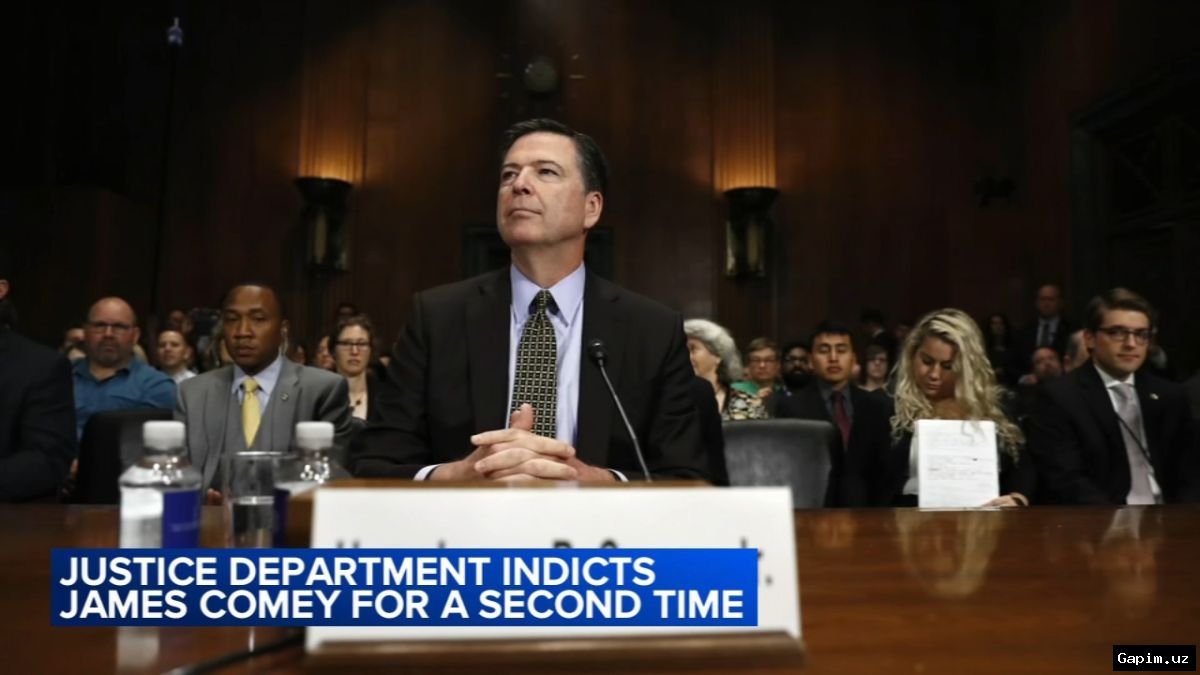
Comey did not speak during the brief hearing. His lawyer, Patrick Fitzgerald, said he would argue the case is a vindictive prosecution, brought to punish Comey for exercising his legal rights. Dressed in a dark suit, Comey entered and exited the courtroom through a side entrance typically used by defendants, declining to comment. A US magistrate judge ordered his release without special conditions.
His next court appearance is expected in North Carolina, where a federal grand jury returned the indictment on Tuesday. Family members arrived shortly before proceedings began. Comey has denied the allegations and said he will fight the charges.
The indictment marks a renewed push by Trump's Justice Department to target perceived political enemies with criminal prosecution. Trump last year referred to Comey by name in a social media post calling for criminal charges against his adversaries.
The case centers on an Instagram post Comey shared in May last year showing seashells arranged to form the number "8647". Trump and his supporters claim the numbers amount to a coded call for violence against the president. The number 47 is widely understood to refer to Trump, who returned to office in January 2025 as the 47th US president.
The dispute hinges on the meaning of "86". In US slang, the term can mean to remove or discard something, often used in restaurants when an item is no longer available. Some critics argue it can also imply violent removal, though that interpretation is contested.
Comey said at the time he did not intend the post as a threat. After backlash, he deleted the image and wrote on Instagram that he "didn't realize some folks associate those numbers with violence" and that he opposes violence "of any kind". Prosecutors, however, argue that a "reasonable recipient" familiar with the context would interpret the image as "a serious expression of an intent to do harm" to the president.
According to the indictment, Comey faces two federal counts: threatening the president, under US law prohibiting threats against the head of state, and transmitting a threatening communication in interstate commerce. Each charge carries a maximum penalty of five years in prison, a fine, or both.
Source: www.aljazeera.com