The Islamist terror attack on Berlin Pride has put the work of juvenile courts into the spotlight. Many argue the 21-year-old perpetrator should have been in prison at the time of the attack.
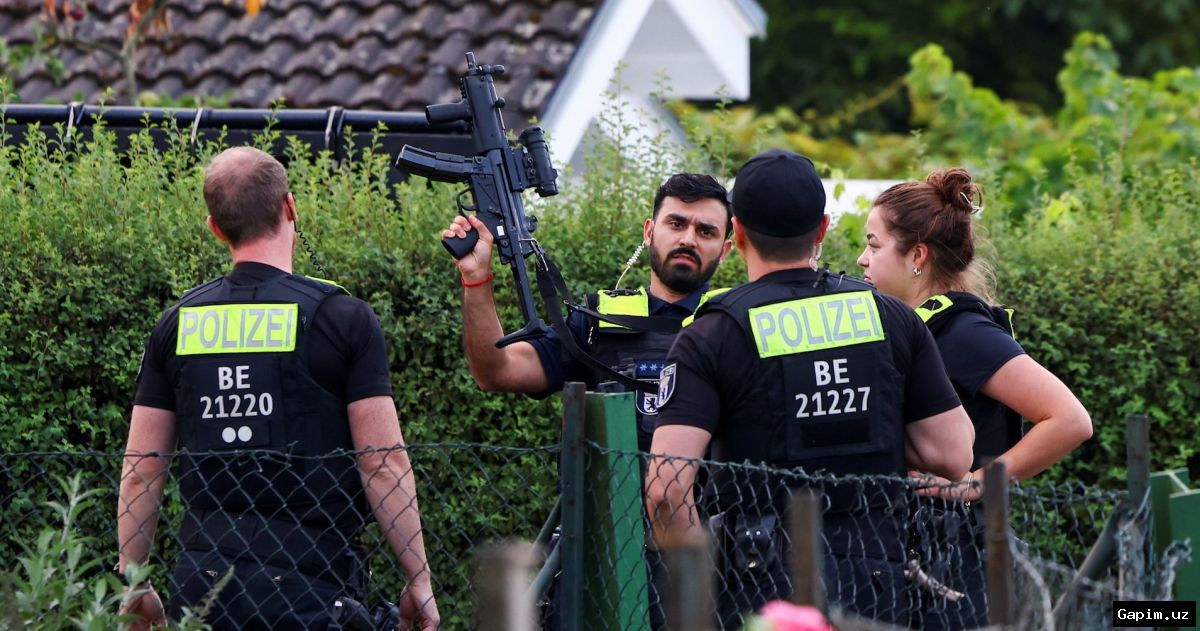
Abdul Ballout, born in Germany in 2005 to Lebanese parents, drove his car into a crowd in Berlin's Tiergarten park, killing one woman and injuring 31 people. He had been arrested last year while trying to join the Islamic State (IS) in Syria and was deported back to Germany.
In Germany, he was convicted of preparing a serious act of violence endangering the state and sentenced in mid-May to 22 months in prison, but the sentence was suspended. He was released and attacked Berlin Pride weeks later. The day after, he was shot dead by police during an arrest attempt.
Terrorism expert Peter Neumann criticized the lenient sentences, while criminologist Frieder Dünkel emphasized that juvenile law focuses on education and reintegration, not preventive detention. He argued that harsher penalties do not increase security.
Ballout had been classified as dangerous by Germany's Joint Counter-Terrorism Center (GTAZ), but this information was not shared with the court. Interior Minister Alexander Dobrindt plans to review juvenile criminal law, but Green Party expert Konstantin von Notz warned that long prison terms could accelerate radicalization.
Source: www.dw.com