Indian officials have floated a controversial plan to introduce apex predators such as crocodiles and venomous snakes into riverine stretches along the Bangladesh border, to act as natural deterrents against undocumented migration and smuggling in places where erecting fencing is difficult.
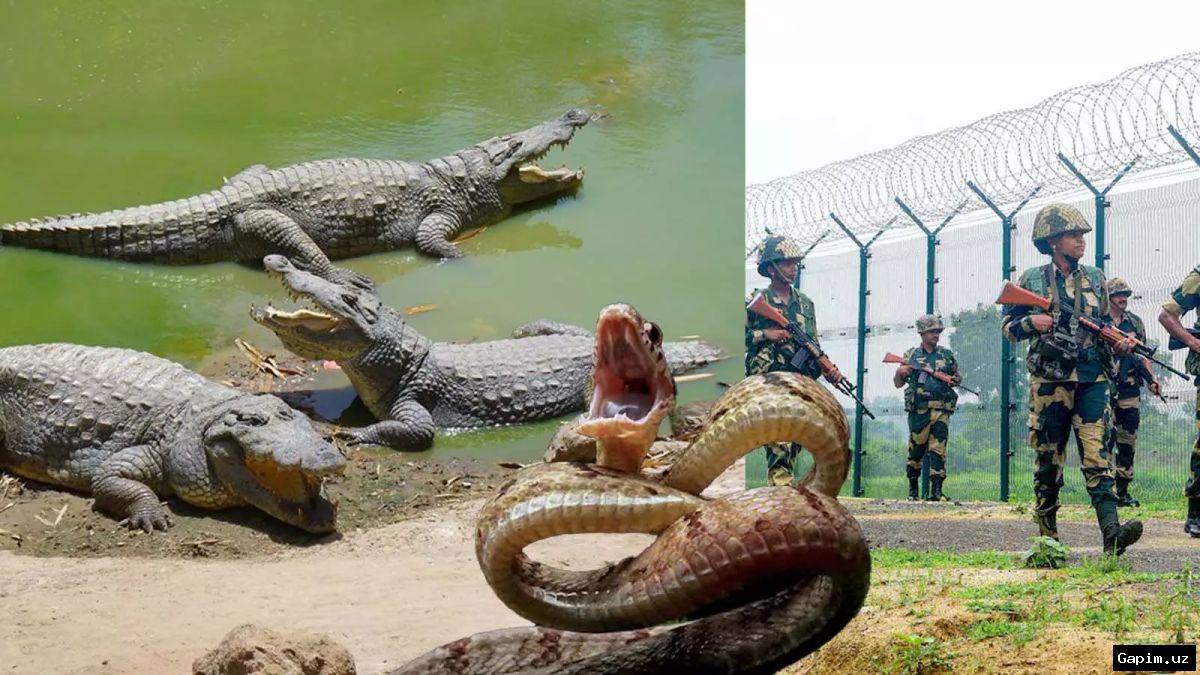
India’s 4,096km-long border with Bangladesh runs through challenging terrain, and New Delhi has found some stretches impossible to fence. In an internal communication dated March 26, India’s Border Security Force (BSF) ordered personnel to explore “the feasibility of deploying reptiles in vulnerable riverine gaps”.
The government’s latest move has alarmed human rights activists and wildlife conservationists alike. Analysts and activists expressed alarm at the prospect of dangerous animals such as crocodiles being used to deter refugees and migrants. “This would be hilarious if it weren’t sinister and dangerous,” said researcher Angshuman Choudhury. “Once you release venomous snakes and crocodiles, they won’t be able to differentiate if it’s a Bangladeshi or Indian.”
The BSF directive instructed frontier units to observe “strict compliance” by “exploring use of reptiles in riverine gaps”. The Ministry of Home Affairs noted last year that “problem areas such as riverine/low-lying areas, habitations close to the border, pending land acquisition cases and protests by the border population, have slowed down the installation of fencing”.
India’s Hindu majoritarian government, led by Prime Minister Narendra Modi, has long argued that undocumented migrants are a threat to demographics. Human rights observers say this rhetoric has been used to harass religious minorities, especially Bengali Muslims. Activists claim India is using this as an excuse to mistreat minorities by conflating them with migrants.
Wildlife experts warn that crocodiles are not native to the border riverine stretches. “If we do impose this, it may intervene in the entire chain or ecosystem,” said Rathin Barman of the Wildlife Trust of India. “Technically, it is definitely not advisable. It will definitely never work in an open, flowing river.” Flooding could also spread poisonous snakes into residential areas, endangering local communities.
“This kind of policy reflects the Indian state’s cruelty,” said human rights activist Harsh Mander. “These animals cannot do what the Indian state is unable to: to identify who is an ‘illegal infiltrator’. They will, of course, attack the local population on either side.”
Source: www.aljazeera.com