Two months after the US and Israel launched a joint surprise attack on Iran, negotiations appear deadlocked. Competing blockades of the Strait of Hormuz continue to disrupt global energy supplies, and the future of Iran’s nuclear programme remains unresolved.
White House spokesperson Anna Kelly on Tuesday said the US was still engaging with Iran on negotiations but would “not be rushed into making a bad deal”, a day after President Donald Trump and his top security advisers discussed a new Iranian proposal on resolving the war.
All military options remain on the table, despite a ceasefire in force since April 8. Qatar’s Ministry of Foreign Affairs cautioned against the possibility of a “frozen conflict”, where the critical waterway is used as a pressure card.
Trump has allegedly envisioned suspending a military campaign against Tehran while reserving the option of targeted strikes. Analysts say a low-intensity conflict interspersed with periodic strikes offers a convenient way out – albeit one that prolongs regional instability and global economic disruption.
Mehran Kamrava, an Iran expert at Georgetown University in Qatar, described the war as “frozen” but stressed the high cost: “Iran cannot afford to have its ports blocked indefinitely and neither can the US maintain an indefinite blockade of Iran.”
The Quincy Institute estimated Washington’s costs over the first month of the war at between $20bn and $25bn. A large-scale ground operation in Iran would require at least 500,000 personnel and some $55bn a month, or more than $650bn a year.
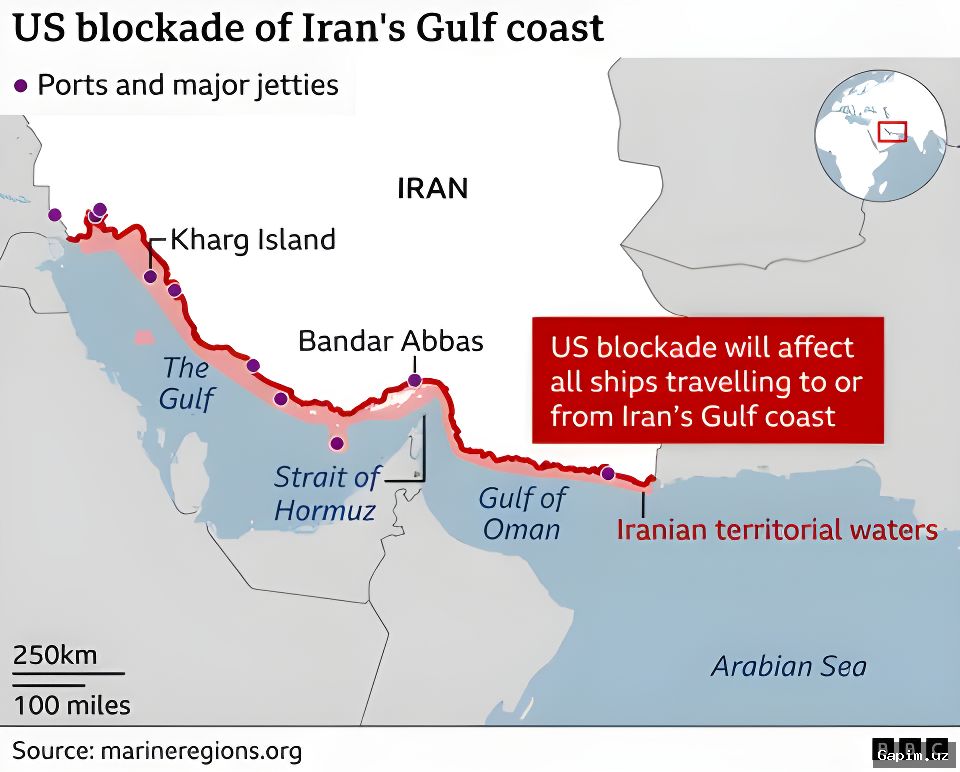
The US military has imposed a naval blockade on Iranian ports since April 13. Last week, it deployed a third aircraft carrier strike group, with more than 10,000 US troops estimated to be in the region.
Iran’s blockade of the Strait of Hormuz has pushed US average petrol prices to nearly $4.18 a gallon, the highest in nearly four years. This comes ahead of midterm elections in November, with Trump’s approval ratings at a low 34 percent.
Iranian strikes have caused billions of dollars in damage to US military assets and tested ties with Gulf allies, which have seen major industrial and energy sites hit.
Chandler Williams of PRIO said the prolonged conflict has lasted longer than forecast: “When a state relies heavily on precision air strikes, it often causes escalation rather than resolution.”
A UNDP report found the military escalation affecting employment and livelihoods in Iran. Shipping disruptions around the Strait of Hormuz have raised concerns about grain shipments and food insecurity in the country of 90 million.
The US Department of Defense requested $53.6bn for autonomous drones for fiscal year 2027, a roughly 24,000 percent increase from last year. Analysts suggest the conflict may shift towards drone warfare.
Israel’s “mowing the grass” tactic in Gaza and Lebanon may be adopted by the US against Iran. However, experts warn: “The idea that Iran can be bombed to accept Israeli regional hegemony through US bombing – I don’t think it’s ever going to work.”
Source: www.aljazeera.com