Iran has warned that it will respond with “long and painful strikes” on US positions across the Gulf region if Washington resumes military action, while reiterating its claim to the Strait of Hormuz, complicating US plans for a coalition to reopen the waterway.
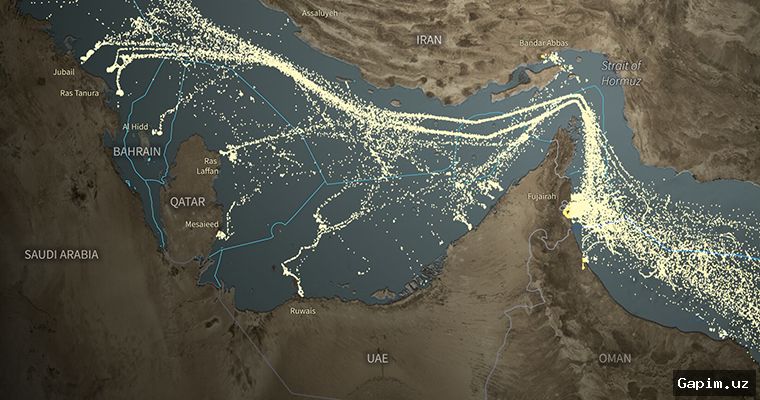
Two months into the US-Israel war on Iran, the strait remains closed, choking off 20 percent of the world's oil and gas supplies. This has sent global energy prices surging and heightened concerns about the risks of an economic downturn.
Pakistan-led efforts to resolve the conflict have hit an impasse. Despite a ceasefire in place since April 8, Iran continues to block the strait in response to a US naval blockade of its ports, preventing oil exports – Tehran's economic lifeline.
Iranian Foreign Ministry spokesman Esmaeil Baghaei defended the closure of the Strait of Hormuz. “This is because of the war and the defence of our right – that is, according to international law, it is legitimate, legal, and accepted,” he said on Thursday night, according to Iran's official IRNA news agency.
He accused the US of “exploiting a waterway” of which Iran is the coastal state. “In such circumstances, you cannot allow this waterway to be misused,” he said.
Baghaei also justified attacks on US assets in Gulf countries. “Unfortunately, the regional countries also truly acted unjustly; during the holy month of Ramadan, they cooperated with a foreign party in attacking an Islamic country, and this is something that will remain a permanent demand.”
On Thursday, the United Arab Emirates banned its citizens from traveling to Iran, Lebanon and Iraq, and urged those currently in those countries to leave immediately. Then, on Friday, in response to Iran's threat to hit targets in the Gulf, UAE presidential adviser Anwar Gargash said: “No unilateral Iranian arrangements can be trusted or relied upon, following its treacherous aggression against all its neighbours.”
Bahraini King Hamad bin Isa Al Khalifa also condemned what he described as Iranian aggression against Manama and accused Tehran of threatening its security and stability and exposing internal collaborators. He warned that traitors could face imprisonment, loss of citizenship and expulsion.
It is unclear whether the US is planning to renew its attacks on Iran. Friday is the deadline for Congress to approve the war. Without that – or a 30-day extension, which the Trump administration must also justify – the US will have to scale back its offensive significantly under the 1973 War Powers Resolution.
A senior administration official said late on Thursday that, for the resolution, hostilities had ceased with the start of the April ceasefire between Tehran and Washington, effectively resetting the clock.
President Donald Trump reportedly received a briefing from officials on Thursday on plans for a series of further military strikes to pressure Iran to negotiate an end to the conflict, according to US publication Axios, citing sources.
US Democratic Senator Richard Blumenthal told CNN on Thursday that he had the “impression from some of the briefings” that “an imminent military strike is very much on the table”. He added that this prospect was “deeply disturbing” because it could “well involve American sons and daughters in harm's way” and lead to “potential massive casualties”.
Meanwhile, Iran has been bracing itself for likely attacks. Air defense activity was heard in some areas of Tehran late on Thursday, according to Iran's semi-official Mehr news agency, and Tasnim news agency said air defenses were engaging small drones and unmanned surveillance aerial vehicles.
A senior official of the Islamic Revolutionary Guard Corps (IRGC) said any new US attack on Iran, even if limited, would usher in “long and painful strikes” on its regional positions. Iranian media, quoting aerospace force commander Majid Mousavi, said: “We've seen what happened to your regional bases, we will see the same thing happen to your warships.”
Supreme Leader Mojtaba Khamenei said in a written message to Iranians that “the enemies' abuses of the waterway” would be eliminated under the new management of the strait, indicating that Tehran intended to maintain its hold over it. “Foreigners who come from thousands of kilometers away … have no place there except at the bottom of its waters,” he said.
Reporting from the White House, Al Jazeera's Mike Hanna said: “There's no doubt that there have been various scenarios laid out for him [Trump] by his military advisers and by his intelligence advisers as to what to do should the ceasefire no longer be extended.” “Obviously, that would involve some form of armed action, some form of intensified economic action,” he added.
Source: www.aljazeera.com