Seoul – Shekinah Yawra, a 32-year-old Filipino, had no choice but to spend the night at a jjimjilbang, a 24-hour bathhouse, after every hotel near central Seoul sold out in late March. Sleep was secondary as she arrived at Gwanghwamun Square at 7 a.m. to secure a spot for the return concert of the seven-member K-pop supergroup BTS.
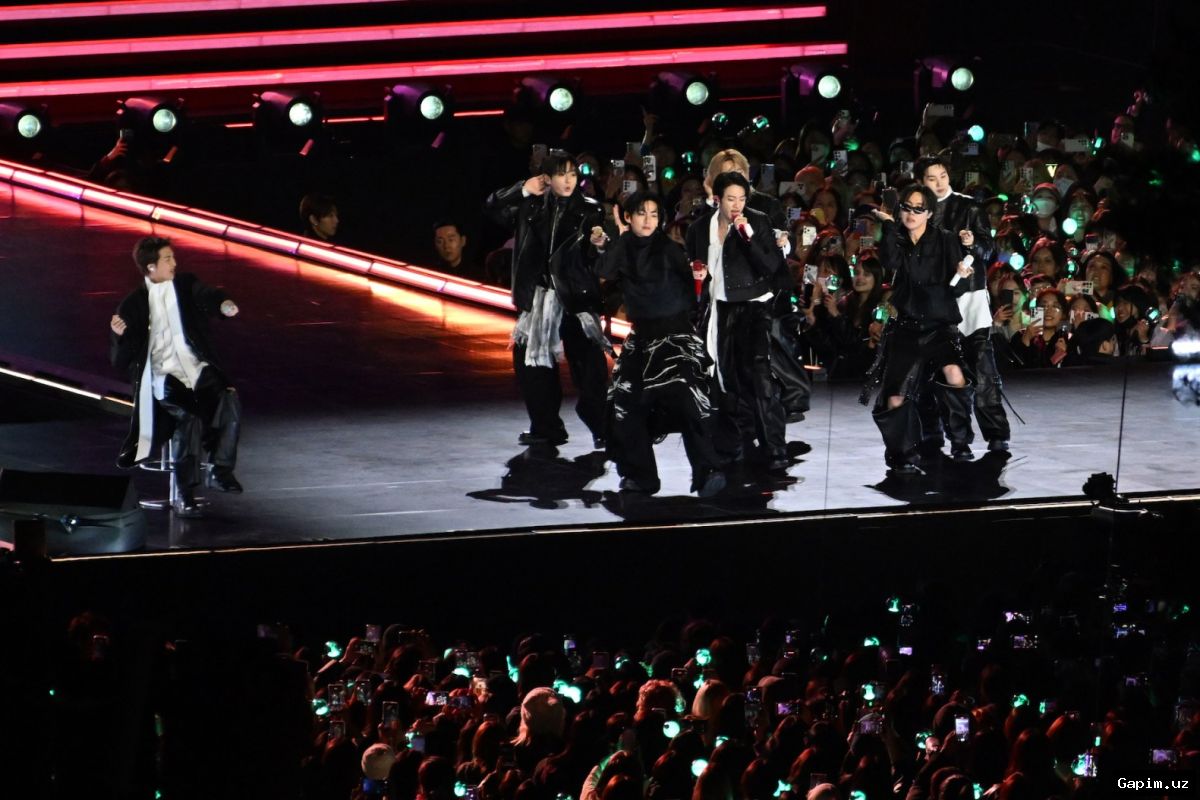
BTS returned to the stage on March 21 after nearly four years away, following their staggered mandatory military service. Although Yawra failed to secure one of the 22,000 free tickets, she was ecstatic to watch the concert live on a big screen. "We all came just for this," she told Al Jazeera, noting friends flew from the Philippines for a single night. Worldwide, over 18.4 million viewers tuned in via Netflix.
With an estimated 30 million fans globally, BTS is the most visible symbol of "Hallyu," or the "Korean Wave." In late March, their 10th studio album "Arirang" topped charts in the US, Japan, and the UK. The group's upcoming world tour is expected to generate over $1.4 billion in revenue across more than 80 shows in 23 countries.
According to Ministry of Justice data, inbound tourist numbers for the first 18 days of March rose 32.7 percent from the previous month. In the week leading up to the concert, sales of BTS merchandise surged 430 percent at Shinsegae Duty Free. Revenues at Lotte Department Store rose 30 percent, and Shinsegae overall saw a 48 percent increase compared to the same weekend in 2025.
As early as 2022, the Korea Culture and Tourism Institute (KCTI) estimated that a single BTS concert in Seoul could generate up to 1.2 trillion won ($798 million) in economic impact. KCTI researcher Yang Ji-hoon highlighted the uniqueness of fandom-driven tourism, noting over half of attendees were foreign visitors requiring long-haul travel.
The comeback was backed by state support. When promoter Hybe requested Seoul city assistance, authorities approved it on public-interest grounds, treating the event as a showcase of national cultural influence. Over 10,000 state personnel were deployed for security and logistics. The city spent nearly 130 million won ($87,400) on logistics.
South Korean government support for BTS has precedent. As members approached military service age, policymakers debated exemptions, given BTS's estimated $4.65 billion annual contribution to the economy. Mexican President Claudia Sheinbaum urged South Korean President Lee Jae-myung to bring BTS more often after their Mexico City concerts sold out in 37 minutes.
South Korea's cultural influence extends beyond music. Cosmetics exports surpassed $11 billion last year, overtaking France in US shipments. Food and agricultural exports reached a record $13.6 billion. KCTI researcher Yang warned of the need for structural reforms: "As industries expand, infrastructure and workforce must evolve."
President Lee has framed the next phase as "Hallyu 4.0," promising to grow the sector into a 300 trillion won ($203 billion) industry. The 2025 budget for culture reached a record 9.6 trillion won ($6.5 billion). South Korea now ranks 11th globally in "soft power," according to Brand Finance.
However, the darker side of the K-culture industry has drawn scrutiny. Hybe is embroiled in a legal dispute with New Jeans, highlighting tensions over creative control. Since the early 2000s, K-pop has grappled with "slave contracts" and grueling schedules for trainees, with concerns over burnout and depression.
Beauty standards are another flashpoint. A 2024 survey found 98 percent of respondents viewed physical appearance as desirable "social capital." South Korea has the world's highest rate of cosmetic procedures at 8.9 per 1,000 people. Professor Yoo Seung-chul of Ewha Womans University noted that K-culture has normalized beauty as a metric of personal value.
Globalization has reshaped the industry, with K-pop groups now including international members. Hybe's US subsidiary produces globally oriented groups like Katseye, which has only one South Korean member. BTS's album "Arirang" divided fans over its use of English lyrics and foreign producers. Yoo argued that while international audiences seek authenticity, the industry must balance local identity with global marketing.
Source: www.aljazeera.com