Israel's National Security Minister Itamar Ben-Gvir, responding to reports of spiralling youth violence including the killing of former Israeli soldier Yemanu Binyamin Zalka, declared: 'This will be a total war.' He announced a national operation to target the surge, stating: 'We will restore security to the streets and calm to parents. Anyone who harms Israeli civilians will face the strong hand of the Israel Police and pay a heavy price.'
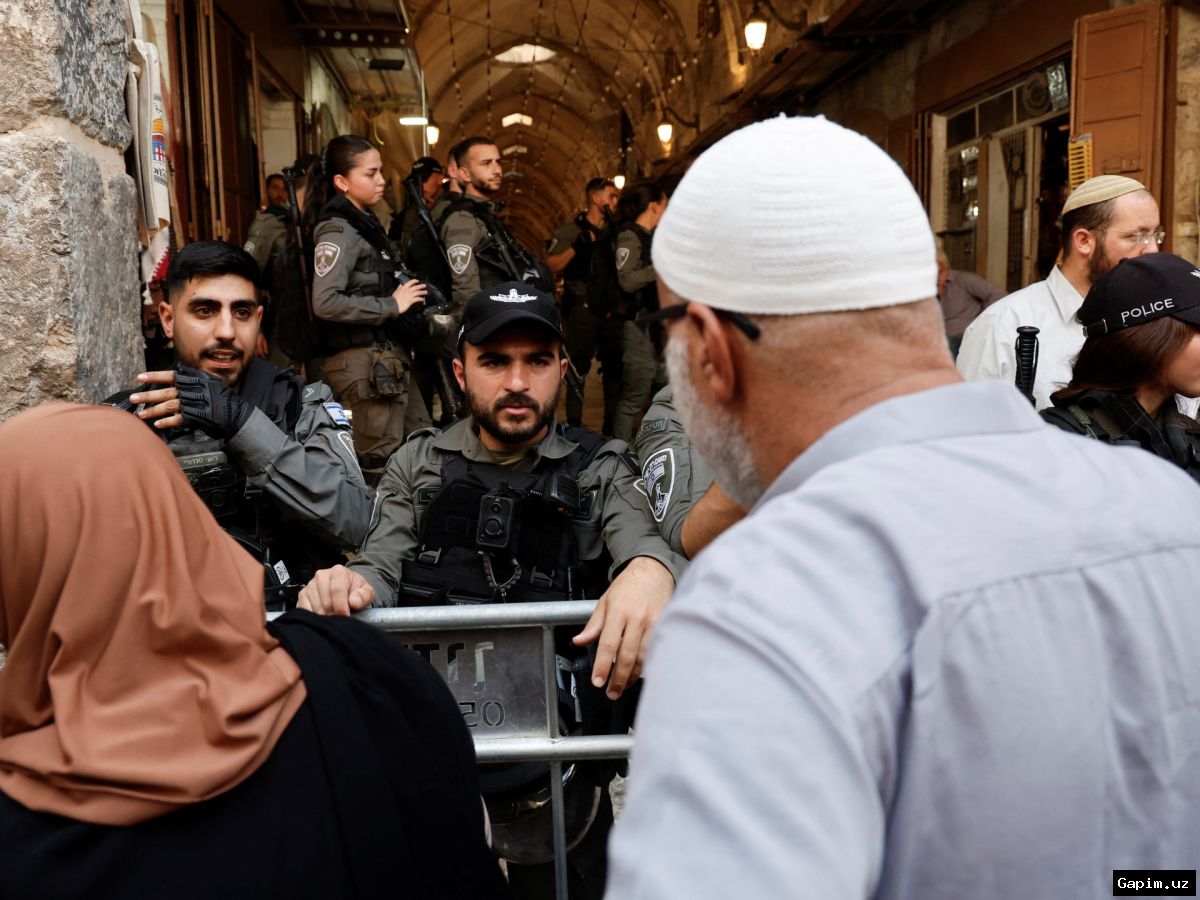
Critics highlight a sharp contrast with Ben-Gvir's response – or lack thereof – to the ongoing epidemic of violence in Palestinian towns and villages in Israel, which has led to nearly 100 deaths and costs the country up to $6.7 billion annually, according to Israel's own finance ministry.
Allegations of two-tier policing, to the detriment of the so-called 'Arab sector', have dogged Israel's police for decades. The situation has worsened under Prime Minister Benjamin Netanyahu's administration, in power since late 2022, and Ben-Gvir, a far-right politician overseeing the police.
Statistics since Ben-Gvir took office support claims that the crime wave in Palestinian communities has significantly worsened. Haaretz reported that the murder rate in Israel's Palestinian communities rose from 4.9 per 100,000 in 2020 to 11 per 100,000, on par with Sudan and Iraq. In contrast, the murder rate in Jewish society stood at approximately 0.6 per 100,000.
Experts blame the Netanyahu government for the increased murder rate. Lawmaker Aida Touma-Suleiman, a Palestinian member of the Hadash party, said: 'They really don't mind that Palestinians are killing each other, as they've been left to do for years. It would never occur to the police that they should provide a service to Arab neighbourhoods. It's hostile.'
While police stations are standard in Jewish-majority areas, there are only about 10 in Palestinian-majority areas. The government's December approval of a $68.5 million cut to an economic development programme for Palestinian communities, to fund more policing, sparked outrage.
Palestinian citizens of Israel make up about 21% of the population. Economically disadvantaged, they often live in separate towns with chronic underinvestment. As of 2024, 37.6% of Palestinian households in Israel live below the poverty line.
Local criminal networks in Palestinian towns have grown into mafia-style organisations, untroubled by the government. Professor Daniel Bar-Tal of Tel Aviv University said: 'The government likes it. They get to say, 'Look, this is Arab culture.' They also rely on gangs for information.'
Ben-Gvir has rejected accusations of racism, claiming he is only against those who harm Jews. However, his actions, including urging on the genocide in Gaza and defending officers filmed raping a Palestinian prisoner, have dismayed many. Israel's High Court recently intervened in a dispute between Ben-Gvir and the Attorney General.
Political scientist Ori Goldberg concluded: 'Nobody cares if Ben-Gvir's good at his job. He's there to punish Palestinians. They're punished through a lack of security, hostile planning, and lack of healthcare. This is how apartheid Israel always works.'
Source: www.aljazeera.com