Russia aims to transform the Northern Sea Route (NSR) into a vital artery of global trade. However, the Arctic shortcut between Europe and Asia faces both political and environmental obstacles.
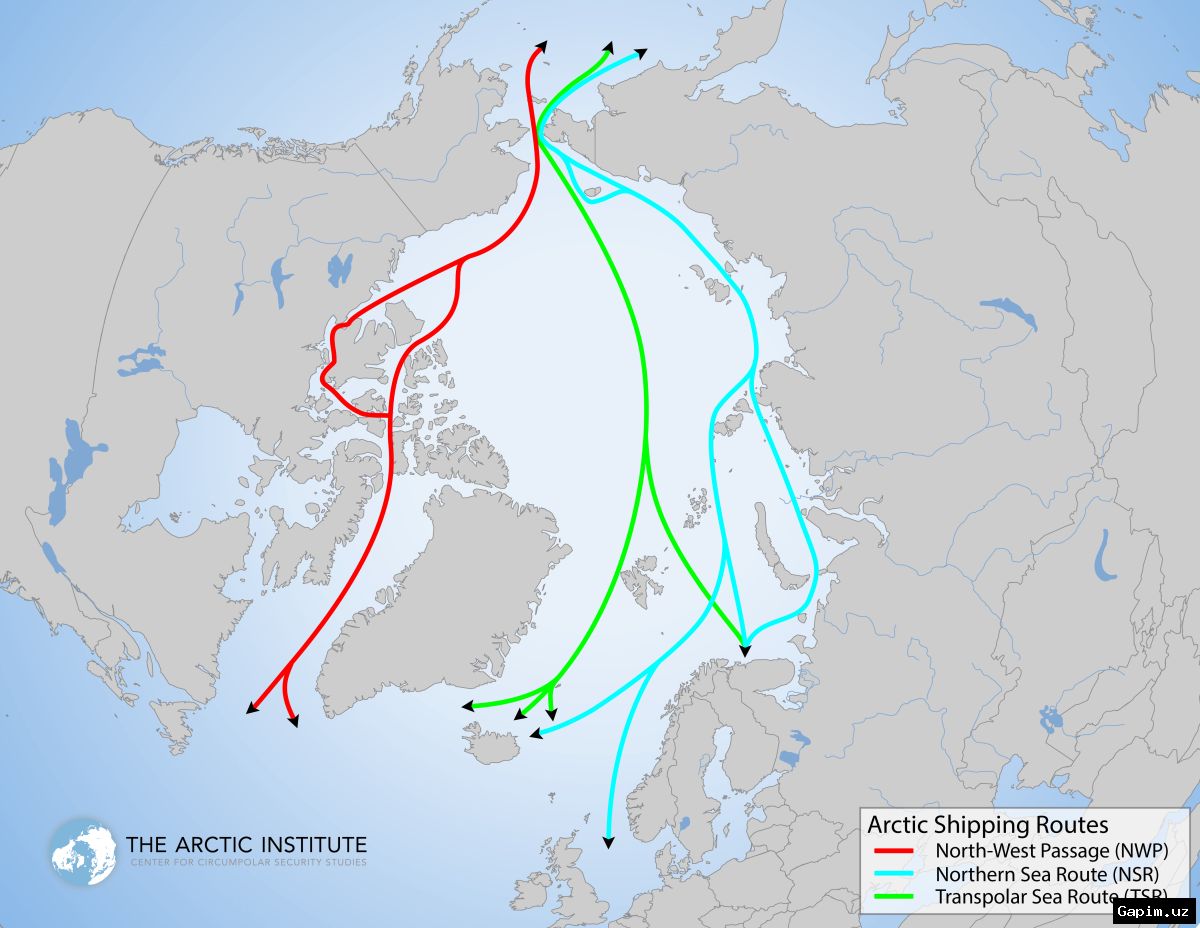
The Iran war and the subsequent blockade of the Strait of Hormuz have focused attention on international shipping. Russian officials are promoting the NSR, an Arctic sea lane along the country's northern coast. President Vladimir Putin allegedly stated in April that the route's importance as "the most safe, reliable and efficient path is becoming ever more obvious."
It is the shortest maritime route between Asia and Europe. But it is frozen for much of the year and comes with significant political considerations. DW, in collaboration with an environmental foundation, examined how realistic the vision of the NSR as a major new shipping passage is.
Shipping goods via the NSR can reduce travel distance by up to 40% compared to the Suez Canal route. Yet for a host of reasons, the NSR is rarely used. Moscow had planned to move 80 million tons of cargo through it by 2024, but those ambitions were stymied by Russia's 2022 invasion of Ukraine and the subsequent Western sanctions. Rosatom recorded less than half of that goal—around 38 million tons of cargo in 2024—which is less than 1% of global maritime trade.
Despite this, Russia is continuing significant investment, budgeting 1.8 trillion Russian rubles (approximately €20.5 billion) for NSR development until 2035. The NSR remains primarily a route for Russian crude oil and LNG, which formed more than 80% of cargo in 2024, according to the Bellona Environmental Foundation's 2025 report.
Ksenia Vakhrusheva, Arctic project advisor at Bellona and co-author of the NSR report, told DW that the Kremlin wanted the route to become more popular. "The economics of using this route is not matching the image that Russia wants to create around it," she said.
The route emerged due to climate change melting Arctic ice, but it is still only fully accessible for a few months a year, from mid-summer to mid-autumn. The rest of the year, the NSR is ice-covered, making passage possible only with an icebreaker. The lack of emergency rescue infrastructure capable of quick response makes an already risky journey even more dangerous.
Vakhrusheva doubts the NSR will become significantly easier to navigate within the next decade. "If every ship needs an icebreaker to go through the whole route, then it will be extremely expensive," she said, adding that Russia only allows its own icebreakers to operate there. Any ship sailing the NSR must also obtain a special permit.
There is also the question of Russia's dependability. Vakhrusheva noted that if the government continues to disregard international law, "then, of course, it's very dangerous for any country to be dependent on anything controlled by Russia."
Although the NSR is shorter, it is not much greener. Ice-class vessels burn more fuel per nautical mile than normal ships. Any fuel spill poses a greater threat in the Arctic because oil products decompose more slowly in the cold. Black carbon from ship engines accelerates climate change in the Arctic.
The International Maritime Organization (IMO) banned the use of heavy fuel oil in Arctic waters from 2024, but Russia did not sign up to the ban and has a waiver until 2029.
European reluctance to cooperate with Russia on the NSR could be strengthened by environmental concerns. Vakhrusheva said: "If European countries say they don't want cargo going through Arctic routes because of the vulnerability of this region, then there is no development for it."
China's shipping giant COSCO ran test cargo trips via the Arctic from 2013 but stopped in 2022 after Russia's invasion of Ukraine. Smaller-scale shipments resumed in 2023. South Korea also announced plans to send a container ship through the NSR to Rotterdam as a test in September 2026.
Vakhrusheva believes the route is unlikely to take over any significant proportion of international trade. "Major logistics and shipping companies are not keen on investing money right now in this route. It's more political than economic," she said.
China's hesitation is rooted in control. Russia effectively administers the NSR, so Chinese investment would depend on Russian infrastructure. "I don't see that China is so keen to just throw money into Russian infrastructure because China wants to have some control of it," Vakhrusheva said.
In the longer term, climate change could make the NSR navigable year-round by 2100, but Vakhrusheva questioned: "With this effect of climate change, what will the rest of the world look like? Will we need this route then? Who will use it?"
Source: www.dw.com