The United Arab Emirates has officially completed its withdrawal from major energy alliances, announcing its exit from the Organization of Arab Petroleum Exporting Countries (OAPEC). This move comes shortly after the country's decision to leave OPEC and the broader OPEC+ alliance, which took effect on May 1.
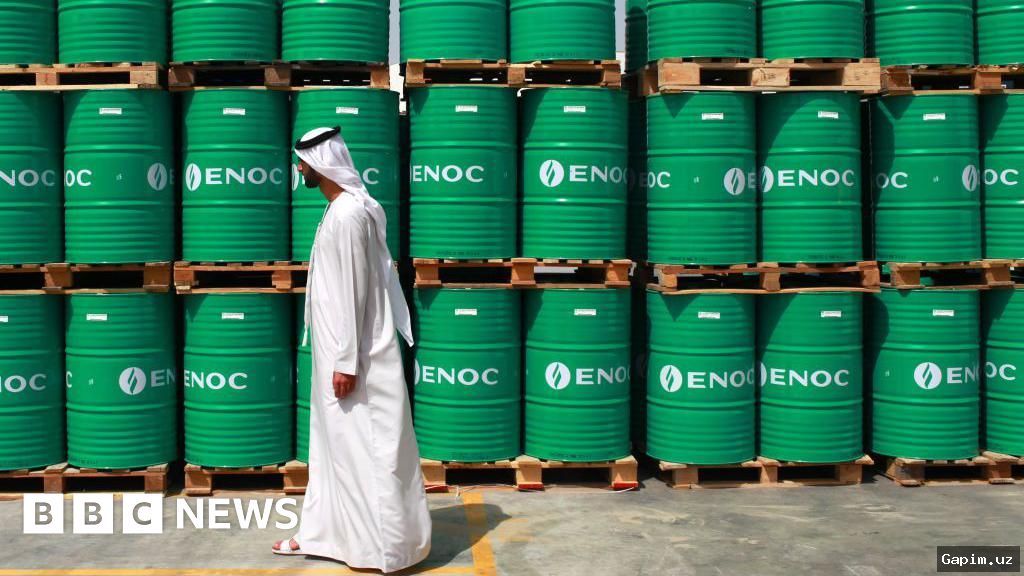
The decision to leave OAPEC was announced on May 3. According to a statement by the state news agency WAM, the move is driven by a “long-term strategic vision” and the need to efficiently manage increased oil production capacity. The Emirates' authorities emphasize that operating outside quota frameworks will allow flexible responses to consumer needs in the “new energy era.”
UAE Energy Minister Suhail Al Mazrouei called the step a “sovereign national decision.” Sources indicate that Abu Dhabi did not hold prior consultations with alliance partners, including Saudi Arabia, dealing a severe blow to Arab exporter unity. Al Mazrouei noted that freedom of maneuver is essential now, when global reserves are depleted due to regional instability.
OPEC and OPEC+ are cartels of major oil-producing countries created to control global output and prices. The UAE's exit is expected to reduce the influence of OPEC and OPEC+, increasing competition as the UAE gains independence in oil production and sales.
Despite leaving the alliances, the UAE states its intention to remain a “responsible and reliable partner” in the global energy market, focusing on accelerated investments in national production. The complete break with oil cartels occurs amid a global energy crisis and the blockade of the Strait of Hormuz, which pushed oil prices to $120 per barrel.
Source: podrobno.uz