Tehran, Iran – Iranian media reported on Monday that a United States warship attempting to transit the Strait of Hormuz was struck by two missiles after ignoring warnings.
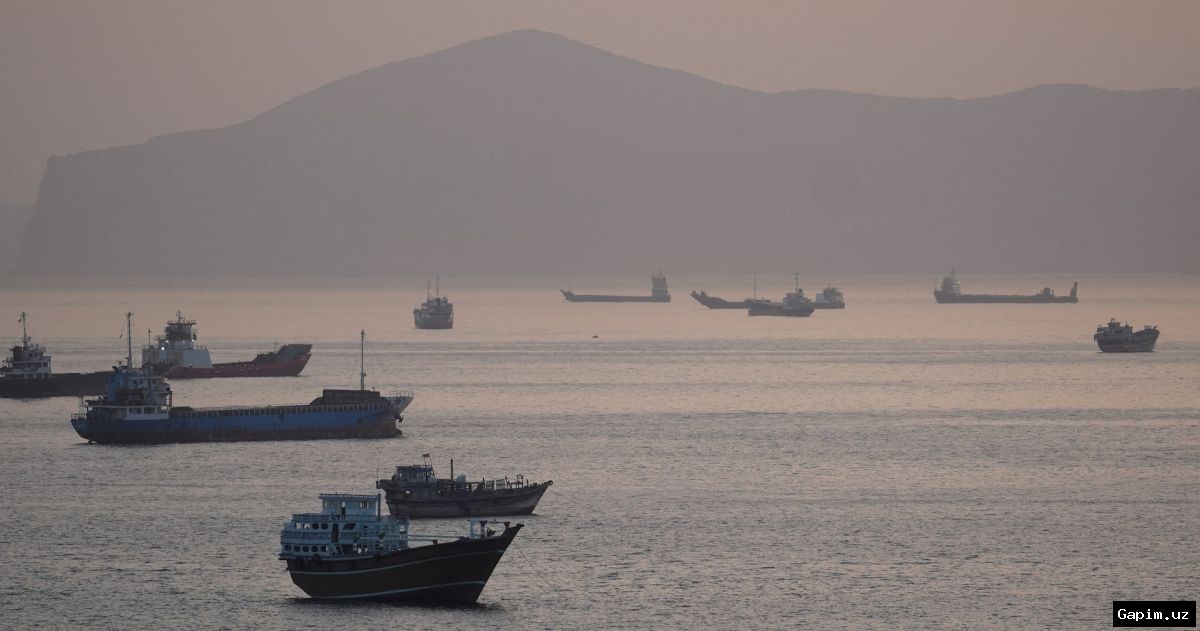
The unnamed warship was forced to withdraw from near the Iranian port of Jask and “flee,” according to the Fars News Agency, which is affiliated with the Islamic Revolutionary Guard Corps (IRGC).
The US military denied the claim in a social media statement, asserting that none of its vessels had been hit.
The report came hours after the head of Iran’s joint military command, Major General Ali Abdollahi, warned US forces they would be attacked if they entered the Strait of Hormuz. Abdollahi stated that his forces would “maintain and manage security of the Strait of Hormuz with all strength” in response to US President Donald Trump’s announcement that the US would “guide” vessels stranded by the US-Israeli war on Iran through the waterway.
The latest tensions coincide with Iranian authorities mobilizing supporters for a potentially lengthy conflict while continuing to exchange proposals with the US to end the war that began on February 28 through negotiations.
Iran’s Foreign Ministry confirmed Monday that Tehran is reviewing the latest text from Washington relayed through Pakistan but urged a more “realistic” approach from Trump. Spokesman Esmaeil Baghaei told reporters that authorities in Tehran will speak about “nothing except for the full end to the war at this stage.”
Nearly a month after a ceasefire suspended large-scale fighting, Iranian authorities are attempting to reconstitute missile and drone capabilities in case the war restarts, including by digging up bombed entrances to underground bases housing munitions and equipment.
Now in its 10th week, a near-total internet shutdown affecting over 90 million Iranians continues due to “security considerations,” with authorities stating measures will remain until the war ends. Armed, state-backed motorcades roam Tehran and other cities at night, and government supporters hold demonstrations in major squares, often playing religious chants from loudspeakers while guarded by armored vehicles.
The main public campaign to keep the war narrative active domestically is called “Jan Fadaa,” meaning a person prepared to sacrifice their life for the cause. Volunteers can register via a state-run website using only a phone number; no national ID is required.
A text message attributed to Supreme Leader Mojtaba Khamenei last month called the campaign “one of the key impactful elements in negotiations with the enemy.” The president, parliament speaker, and other officials have exalted the initiative, with Judiciary Chief Gholam-Hossein Mohseni-Ejei calling it “historic.”
State media aired interviews with participants who said they were prepared to die. One man told Mehr News Agency he was ready “to fight to the death” with his family.
Jan Fadaa claims over 31 million active members, more than a third of Iran’s population, but authorities have not released supporting documentation. The claim comes months after thousands were killed in nationwide protests in January.
Critics, including exiled Iranians, allege real registration numbers are far lower. Former professor and dissident Ali Sharifi Zarchi claimed last week that exposed backend code showed fewer than four million registrations. He and others found no significant impact from events like the April 8 ceasefire on registration updates, suggesting artificial generation.
Following criticism, the campaign began reporting far fewer new registrations. This week, authorities appointed spokesman Sasan Zare, who rejected allegations and attacked Sharifi Zarchi for “lending his platform to the enemies of the people.” Zare said over 60% of registrants are women and a majority are aged 20-45. He added the campaign will soon move beyond its “symbolic” status and call on registrants for state-designated activities.
Source: www.aljazeera.com