Four races into Formula 1's new era, the peak of electrical power's influence on the sport may already be in the rearview mirror, motorsport officials say.
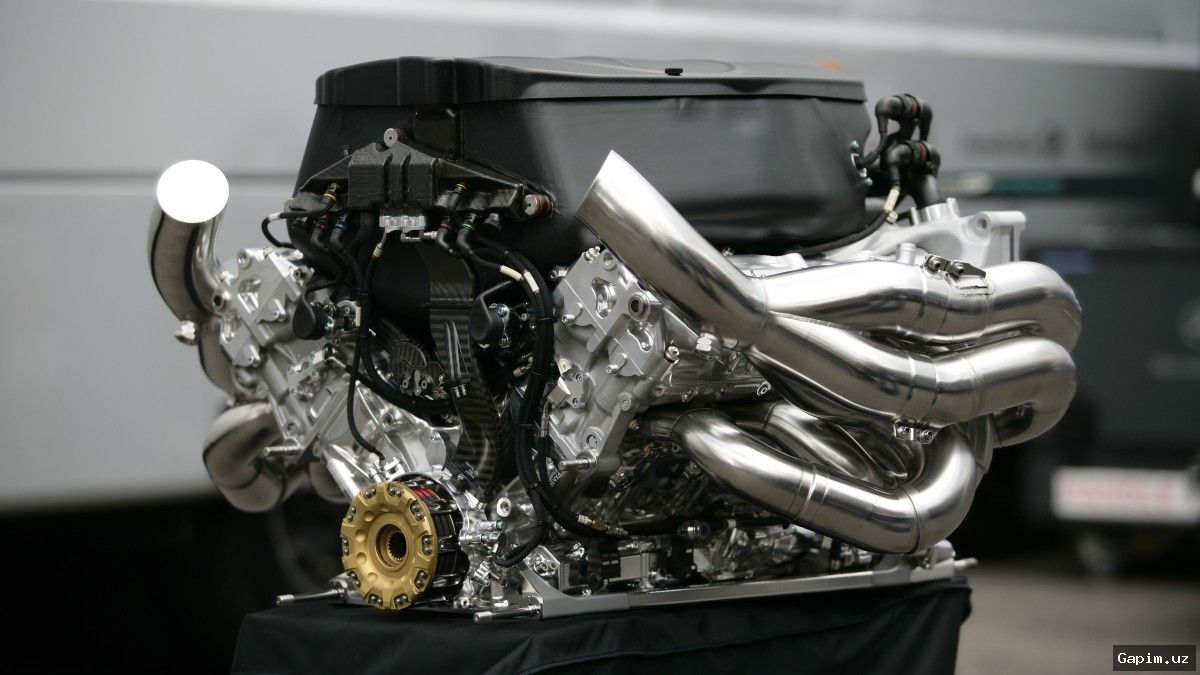
The Miami Grand Prix was the first race under changes that slightly limit the role of electrical power which has redefined racing this year. FIA President Mohammed Ben Sulayem said in Miami he wants traditional V8 engines back in a few years.
F1 started the year with some of the biggest changes in its 76-year history, headlined by a 50-50 split in power between a traditional engine and the onboard battery pack. Only three Grands Prix were held under those rules before a package of tweaks curbed the electrical influence, addressing driver criticism by promoting pure driving skill over electrical recharging.
Sunday's Miami race was one of the most wide-open in recent F1 history, with drivers from four different teams leading before Kimi Antonelli took his third win of 2026 for Mercedes.
Ben Sulayem first proposed a return to big, noisy traditional engines last year, but it fizzled out. Now, with Ben Sulayem in office for another term and following a backlash from key drivers and fans, his push for V8 engines by 2030 or 2031 seems much more serious.
"You get the sound, you get less complexity, and then you've got the lighter weight; you hit all the boxes," Ben Sulayem said on Saturday in Miami. "You will hear about it very soon, and it will be with very, very minor electrification, but the main one will be the engine."
F1 has used V6 engines with hybrid power since 2014, and a big step up in electrical power this year has made it central to racing tactics. Four-time champion Max Verstappen loathes it so much he's questioned his future in F1.
A return to bigger V8 engines would be a nostalgia trip for older drivers and fans, with a distinctive screaming engine noise. They're relatively rare in modern vehicles outside of expensive sportscars.
Electric vehicles no longer seem as certain to dominate roads in key F1 markets as they did when regulations were drawn up. The Trump administration has tightened rules on the charger network, and the EU is rethinking a planned ban on new internal combustion cars from 2035.
"The political landscape has changed," FIA's top F1 regulations official Nikolas Tombazis said last week. "Back when we discussed the current regulations, the automotive companies told us they're never going to make another internal combustion engine again. Obviously, this hasn't happened."
Ben Sulayem said the FIA would need engine manufacturers' agreement to push for V8 engines for 2030, but would be more free to act without their agreement for 2031.
"We do need to protect the sport from the world macroeconomic situation, meaning we cannot be hostage to automotive companies deciding to be part of our sport or not," Tombazis said.
Source: www.aljazeera.com